Navigating Conservation Area Planning Approval for Secondary Glazing
James Whitfield
Conservation Planning Advisor

London's conservation areas protect some of the city's most architecturally significant neighbourhoods. From the Georgian terraces of Bloomsbury to the Victorian villas of Hampstead, these designations preserve the character that makes London unique. But for homeowners, they can also create challenges when you want to improve your property's comfort and efficiency.
The good news? Secondary glazing rarely requires formal planning consent in conservation areas. Here's your complete guide to navigating the process.
Why Secondary Glazing Is Usually Permitted
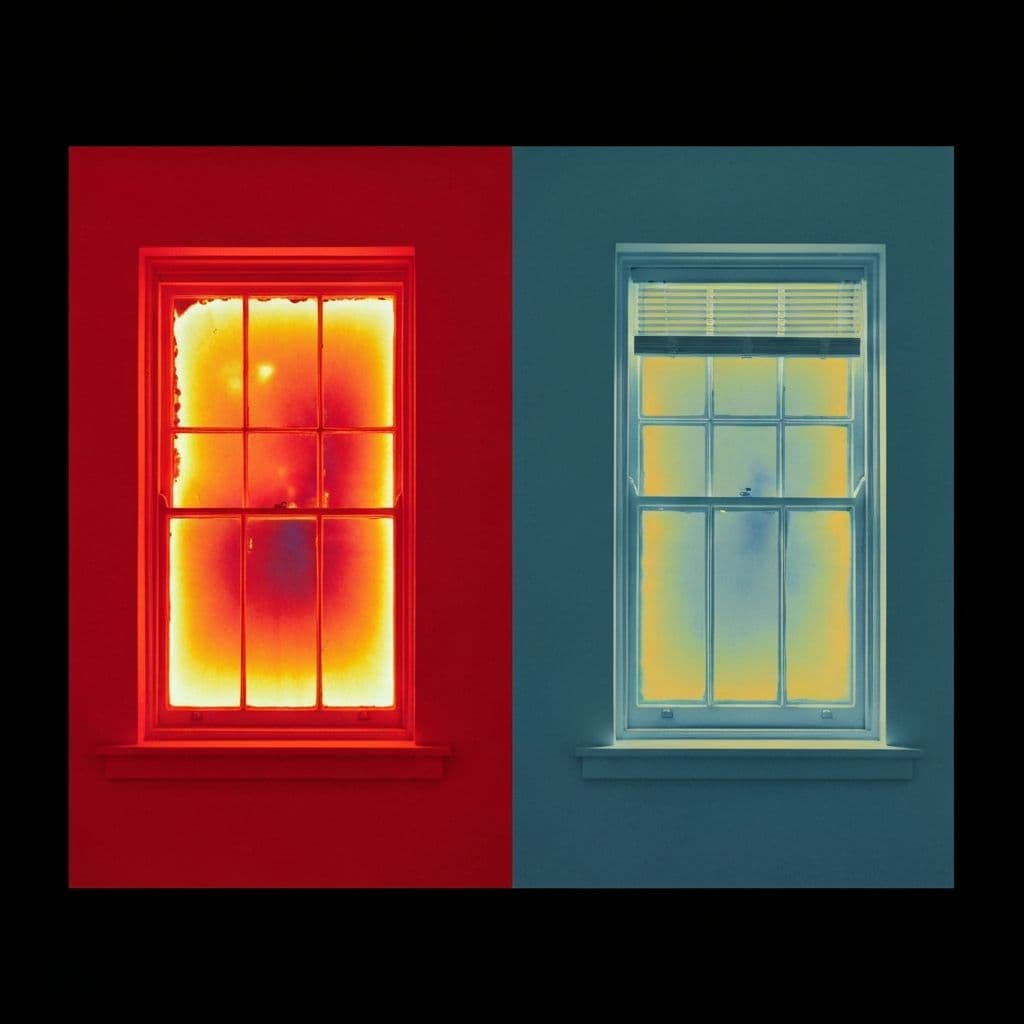
Conservation area restrictions focus on preserving external appearance. Planning authorities want to maintain the streetscape—the view of your property from public spaces. Secondary glazing is installed on the inside of your existing windows, leaving the external appearance completely unchanged.
This internal installation means:
- No alteration to original windows
- No change to external appearance
- Fully reversible if needed
- No impact on neighbouring properties
For these reasons, secondary glazing is classified as "permitted development" in most circumstances—meaning no planning application is required.
When You Might Need Consent
There are limited situations where you should check with your local planning authority:
Listed Buildings
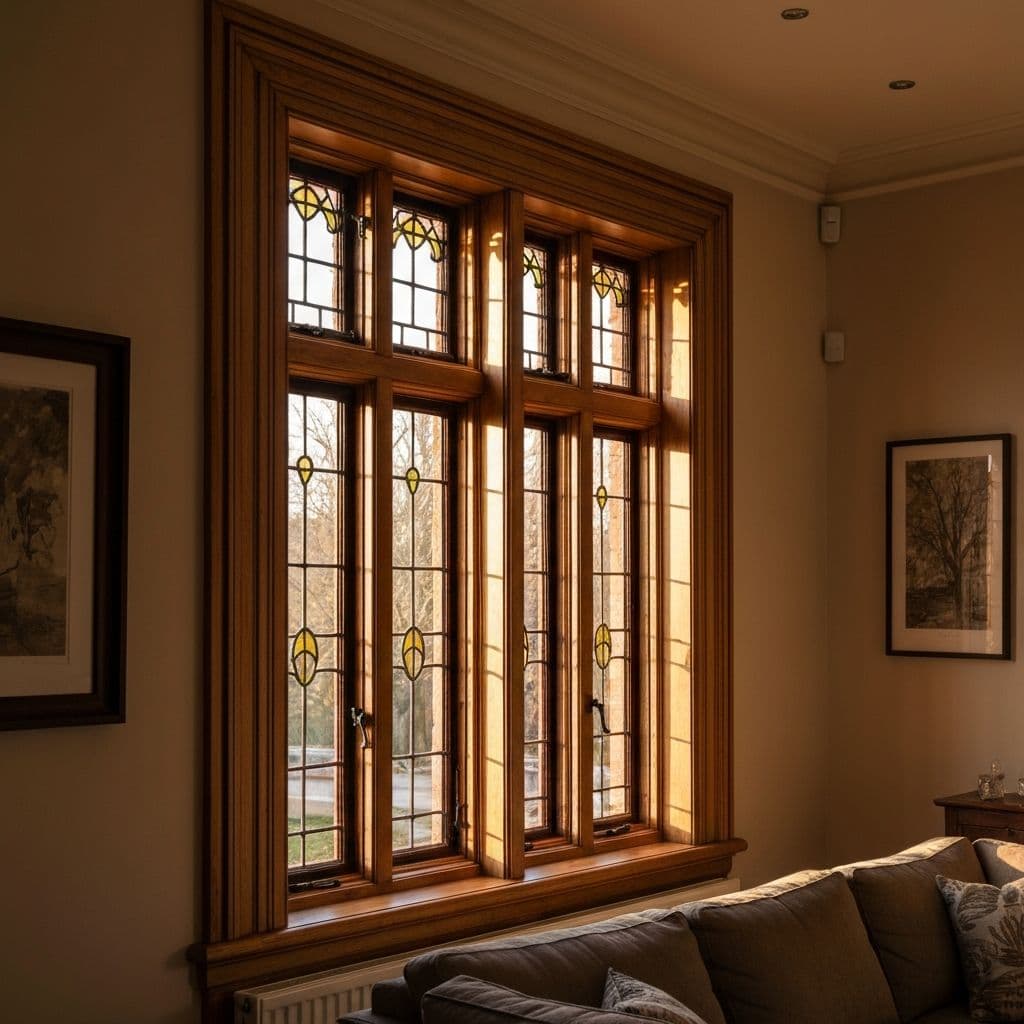
If your property is Grade I, Grade II*, or Grade II listed (not just in a conservation area), you may need Listed Building Consent for internal alterations that affect the building's character. In practice, secondary glazing is almost always approved because it protects the original windows, but a formal application may be required.
Unusual Installations
If secondary glazing would be visible from outside—for example, if you wanted coloured frames or if the internal installation would project significantly—you should seek guidance.
Article 4 Directions
Some conservation areas have Article 4 Directions that remove certain permitted development rights. These typically affect external changes (replacement windows, satellite dishes) rather than internal works, but it's worth checking your specific area.
The Pre-Application Process
If you're uncertain, most London boroughs offer a pre-application advice service. For secondary glazing, this is usually unnecessary, but it can provide peace of mind for listed buildings.
What to Submit
- Brief description of proposed works
- Photographs of existing windows (internal and external)
- Technical specification of proposed secondary glazing
- Explanation of why works are needed (noise, thermal, security)
Typical Costs
Pre-application advice fees vary by borough:
- Westminster: £150-£300
- Kensington & Chelsea: £200-£400
- Camden: £100-£250
- Islington: £150-£300
Response times are typically 4-6 weeks.
Working With Conservation Officers
If your project does require formal engagement with the planning authority, here's how to present your case effectively:
Emphasise Preservation
Secondary glazing protects original windows by:
- Reducing condensation that causes timber decay
- Eliminating the pressure to replace with double glazing
- Maintaining the property's heritage value
Frame your application as a conservation measure, not just a comfort upgrade.
Provide Technical Details
Conservation officers appreciate thorough documentation:
- Slim frame profiles (20-25mm) that minimise visual impact
- Colour matching to existing internal joinery
- Alignment of meeting rails with original window divisions
- Reversibility—units can be removed without damage
Include Heritage Benefits
Explain how secondary glazing supports the conservation area's objectives by enabling continued residential use of period properties without destructive alterations.
Borough-Specific Guidance
Different London boroughs have varying approaches:
Westminster
Very experienced with heritage applications. Generally supportive of secondary glazing for noise reduction given the area's traffic challenges. Listed Building Consent typically processed within 8 weeks.
Kensington & Chelsea
Strong focus on maintaining the borough's architectural character. Secondary glazing well-understood and routinely approved. Pre-application advice recommended for Grade I listed properties.
Islington
Large number of conservation areas. Pragmatic approach to secondary glazing. Good online guidance available through planning portal.
Camden
Extensive experience with Bloomsbury and Hampstead conservation areas. Generally straightforward process for secondary glazing applications.
Common Concerns Addressed
"Will it change the appearance of my windows?"
From outside, there will be no visible change whatsoever. Your original windows remain exactly as they are. From inside, high-quality secondary glazing with slim aluminium frames is remarkably discreet—many visitors don't notice it's there.
"What if I want to sell the property?"
Secondary glazing is a positive selling point for conservation area properties. It demonstrates that the owner has improved comfort while respecting heritage constraints. It can be mentioned in marketing materials as a feature.
"Can I remove it later?"
Yes. Secondary glazing is fully reversible. If future owners prefer to remove it, they can do so without any damage to the original windows or reveals.
Getting Started
For most conservation area properties, the process is straightforward:
- Request a survey from a heritage glazing specialist
- Receive a detailed specification and quotation
- If in doubt, check with your local planning authority
- Proceed with installation (typically 1-2 days)
We have extensive experience working in London's conservation areas and can advise on the specific requirements for your property. Call 020 7060 1572 to discuss your project.