Restoring Victorian Sash Windows: The Complete Guide for Heritage Homeowners
Penny Hargreaves
Heritage Acoustics Writer

Victorian sash windows are masterpieces of functional design. Perfectly proportioned, elegantly detailed, and engineered to last centuries, they're an irreplaceable part of London's architectural heritage. But after 100-150 years of service, even the finest craftsmanship needs attention.
This guide covers everything heritage homeowners need to know about restoring Victorian sash windows—from identifying problems to integrating modern performance upgrades like secondary glazing.
Assessing Your Windows
Before diving into restoration, understand what you're working with:
Common Problems
- Timber decay: Usually at the bottom rail (where water collects) and outer edges exposed to weather
- Broken sash cords: Causes sashes to drop or jam
- Failed putty: Cracked and missing glazing compound allows water ingress
- Paint failure: Multiple layers crack and peel, exposing timber
- Rattling sashes: Worn channels allow movement and draughts
- Stuck sashes: Paint bridging, swollen timber, or broken mechanisms
When to Restore vs Replace
Original Victorian sashes are almost always worth restoring. The timber—typically old-growth softwood—is denser and more durable than modern equivalents. The craftsmanship is often superior. And for listed buildings, replacement isn't permitted anyway.
Consider replacement only when:
- More than 50% of the frame timber is decayed
- The window has been previously butchered beyond repair
- The building isn't listed and you genuinely prefer modern windows
The Restoration Process
1. Careful Removal
A skilled restorer removes sashes without damaging surrounding plasterwork or architraves. The staff beads and parting beads come out first, then the lower sash, weights, and finally the upper sash.
2. Timber Repair
Decayed timber is cut back to sound wood. Small areas can be filled with epoxy-based wood repair systems. Larger sections require splicing in new timber, carefully matched for species, grain, and profile.
A good restorer saves as much original fabric as possible—it's not just about function, but preserving craftsmanship that can't be replicated.
3. Glazing Overhaul
Original glass should be retained where possible—its slight waviness and character are part of the window's heritage. Cracked panes are replaced with salvaged period glass or high-quality reproduction.
All putty is renewed using linseed oil putty (not modern silicone, which doesn't suit period windows). Properly applied putty lasts 30+ years.
4. Mechanism Restoration
- Sash cords: Replaced with waxed cotton or synthetic alternatives
- Weights: Cleaned and rehung; sometimes supplemented if original weights are too light
- Pulleys: Cleaned, oiled, or replaced if seized
- Channels: Lined with PTFE strips for smooth operation
5. Draught-Proofing
Modern draught-proofing can be integrated invisibly:
- Brush pile strips in sash channels
- Compression seals at meeting rails
- Brush strips at top and bottom
Well-fitted draught-proofing reduces air leakage by 80% while maintaining smooth sash operation.
6. Decoration
Traditional linseed oil paint remains the best choice for exterior surfaces—it allows timber to breathe and ages gracefully. Interior surfaces can use modern paints for durability.
Proper preparation is essential: all surfaces primed, undercoated, and finished with two top coats minimum.
Integrating Secondary Glazing
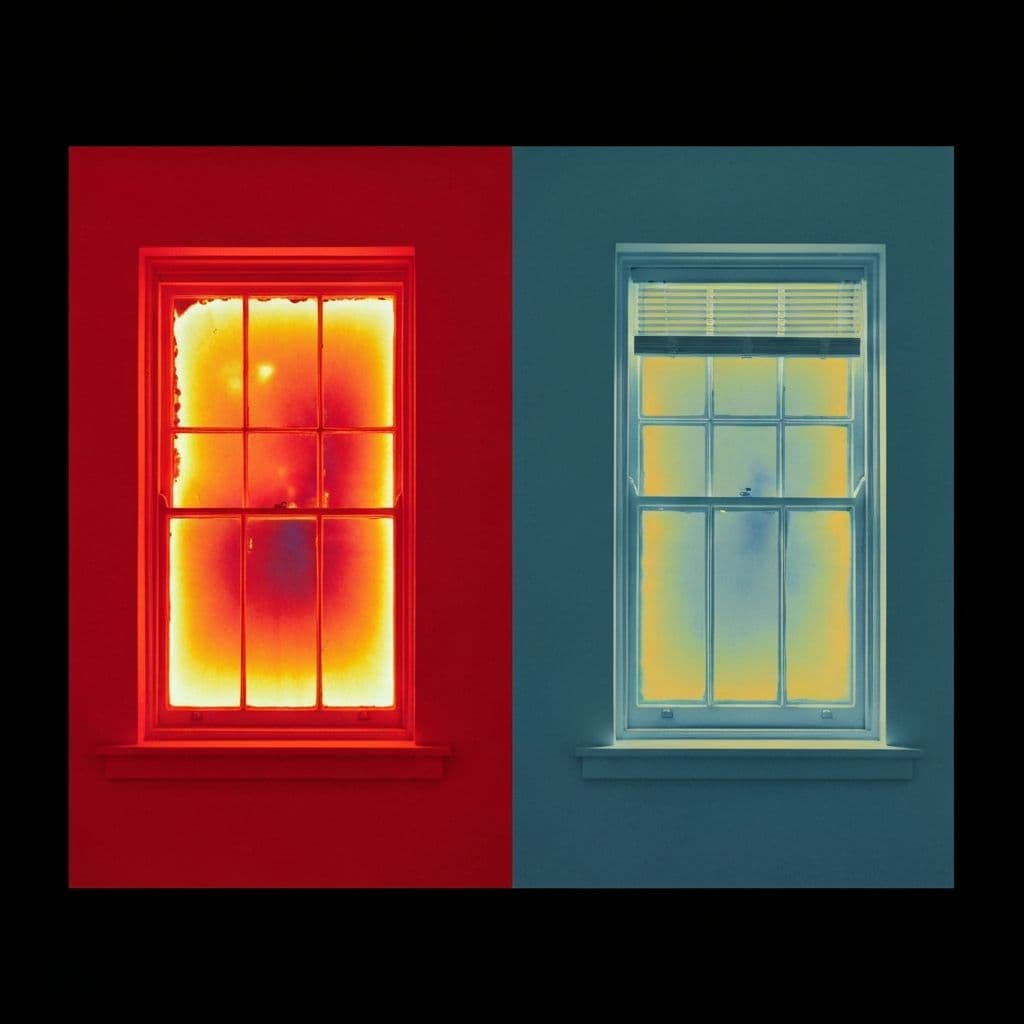
Restoration makes windows look beautiful and function properly. Secondary glazing transforms their thermal and acoustic performance.
Why Add Secondary Glazing?
Even perfectly restored sash windows have limitations:
- Single glazing provides minimal insulation
- Glass itself transmits sound readily
- Some draught ingress is inevitable with sliding mechanisms
Secondary glazing addresses all three. Installed on the inside of the restored window, it creates a sealed air gap that dramatically improves thermal and acoustic performance.
Timing Considerations
The ideal sequence is:
- Restore original windows first
- Allow paint to fully cure (2-4 weeks)
- Install secondary glazing to precise measurements
Installing secondary glazing before restoration risks damage during the restoration work. Installing during restoration means measurements may change as work progresses.
Specification for Sash Windows
For restored sash windows, we typically recommend:
- Vertical sliding secondary glazing: Matches the operation of your original sashes
- Aligned meeting rails: Secondary unit rails positioned to match original divisions
- Slim profiles: 20-25mm aluminium frames that minimise visual impact
- Colour matching: Powder-coated to complement your interior decoration
Costs and Timescales
Restoration Only
Full sash window restoration typically costs £500-£1,200 per window, depending on:
- Extent of timber decay
- Number of panes (glazing bars add complexity)
- Access requirements
- Decoration specification
Restoration Plus Secondary Glazing
Combined packages typically cost £900-£1,800 per window for the complete solution: restored originals plus high-specification secondary glazing.
Timescales
- Survey and quotation: 1-2 weeks
- Restoration work: 2-4 days per window
- Paint curing: 2-4 weeks
- Secondary glazing installation: 2-4 hours per window
Finding the Right Craftspeople
Sash window restoration requires specialist skills. Look for:
- Experience with listed buildings and conservation areas
- Portfolio of completed restoration projects
- Understanding of traditional materials and techniques
- Willingness to preserve rather than replace
We work with trusted restoration partners across London and can coordinate complete window projects from restoration through to secondary glazing installation.
Getting Started
Whether your Victorian sashes need minor repairs or comprehensive restoration, the first step is a proper assessment. Request a survey to discuss the condition of your windows and the options for restoration and performance upgrade.
Call 020 7060 1572 to speak with a heritage window specialist.