Thermal Performance: Secondary Glazing vs Double Glazing in Period Properties
Dr Sarah Chen
Building Physics Consultant
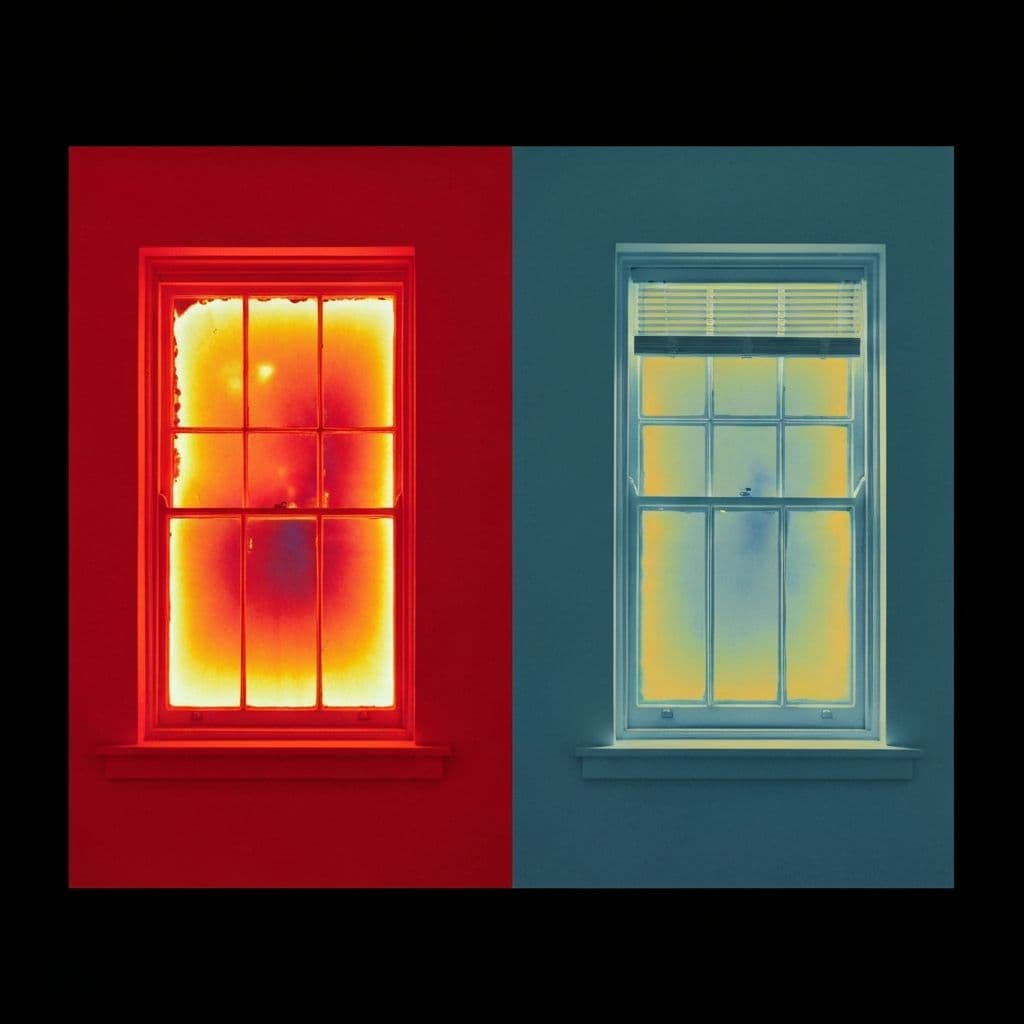
When it comes to keeping period properties warm, the debate between secondary glazing and double glazing often centres on acoustic performance. But what about thermal efficiency? If your primary goal is reducing heat loss and cutting energy bills, which option delivers better results?
The answer isn't as straightforward as marketing materials might suggest. Let's examine the science, compare real-world performance, and help you make an informed decision for your heritage home.
Understanding U-Values
Thermal performance is measured in U-values—the rate at which heat passes through a building element. Lower U-values mean better insulation. Here's how different glazing options compare:
| Glazing Type | Typical U-Value (W/m²K) | Heat Loss Rating |
|---|---|---|
| Single glazing (original) | 5.0-5.8 | Very Poor |
| Secondary glazing (standard) | 2.0-2.8 | Good |
| Secondary glazing (low-E) | 1.7-2.2 | Very Good |
| Double glazing (standard) | 2.8-3.0 | Good |
| Double glazing (argon-filled) | 1.4-1.8 | Excellent |
| Triple glazing | 0.8-1.2 | Outstanding |
At first glance, argon-filled double glazing appears superior. But U-values don't tell the whole story for period properties.
The Draught Factor
Here's what U-value comparisons miss: draughts. Period windows, particularly sash windows, leak air through gaps around frames, meeting rails, and sash edges. This uncontrolled ventilation can account for more heat loss than conduction through the glass itself.
Secondary glazing eliminates draughts completely by creating an airtight seal across the entire window opening. Double glazing, while thermally efficient through the glass, doesn't address draughts from the original frame unless the entire window is replaced.
In practice, this means:
- Secondary glazing on a draughty sash window can reduce total heat loss by 60-70%
- Double glazing (keeping the original frame) might only reduce heat loss by 40-50%
Condensation and Timber Preservation
Single-glazed windows in heated rooms suffer from condensation—warm moist air hitting cold glass creates water droplets that run down onto timber frames. Over time, this causes rot, paint failure, and decay.
Secondary glazing addresses this brilliantly. The inner pane stays close to room temperature, so condensation forms on the outer (original) window instead—if it forms at all. The air gap between the two panes acts as a buffer zone.
For Grade II listed properties in Chelsea or Kensington, where replacing original windows isn't an option, secondary glazing provides thermal improvement while actively protecting irreplaceable historic fabric.
Real Energy Savings
What does this mean for your heating bills? Based on our installations across London:
Typical Victorian Terrace (4-bed)
- Before secondary glazing: £2,400/year heating
- After secondary glazing: £1,650/year heating
- Annual saving: £750 (31%)
- Payback period: 6-8 years
Georgian Townhouse (5-bed)
- Before secondary glazing: £3,800/year heating
- After secondary glazing: £2,500/year heating
- Annual saving: £1,300 (34%)
- Payback period: 8-10 years
These savings come from both improved insulation and eliminated draughts. Properties with particularly leaky windows see even greater improvements.
Maximising Thermal Performance
If thermal efficiency is your priority, specify secondary glazing with:
Low-E Glass
Low-emissivity coatings reflect radiant heat back into the room. A transparent metallic coating on the inner surface of the secondary glazing can improve U-values by 0.3-0.5 W/m²K at minimal extra cost.
Optimal Air Gap
For thermal performance, the ideal air gap is 20-25mm. Larger gaps (100mm+) are better for acoustics but don't significantly improve thermal insulation—convection currents can actually reduce efficiency in very large cavities.
For properties needing both acoustic and thermal improvement, 100mm+ gaps with low-E glass provide an excellent compromise.
Comprehensive Sealing
Ensure your installer uses proper compression seals and brush seals around all opening elements. The frame-to-reveal junction should be sealed with appropriate materials. Gaps of even 2-3mm can significantly reduce performance.
The Listed Building Advantage
For listed buildings and properties in conservation areas, secondary glazing isn't just an alternative to double glazing—it's often the only viable option.
Replacing original windows with double glazing typically requires Listed Building Consent, which is frequently refused. Conservation officers prioritise preserving historic fabric over thermal efficiency.
Secondary glazing, installed internally without altering original windows, rarely requires consent and achieves comparable thermal performance. For heritage homeowners, this isn't a compromise—it's a solution that respects both history and comfort.
When Double Glazing Makes More Sense
There are situations where replacement double glazing is the better thermal choice:
- Original windows are beyond repair
- No heritage restrictions apply
- You're undertaking a complete renovation anyway
- Maximum possible thermal efficiency is essential
In these cases, high-specification double glazing with argon fill and low-E coatings will outperform secondary glazing thermally. But for most period properties where window preservation matters, secondary glazing delivers excellent thermal improvement without heritage compromise.
Getting Expert Advice
Every property is different. Window condition, frame type, exposure, and your specific priorities all affect the right solution. Request a free survey to discuss the thermal and acoustic options for your home, or call 020 7060 1572.