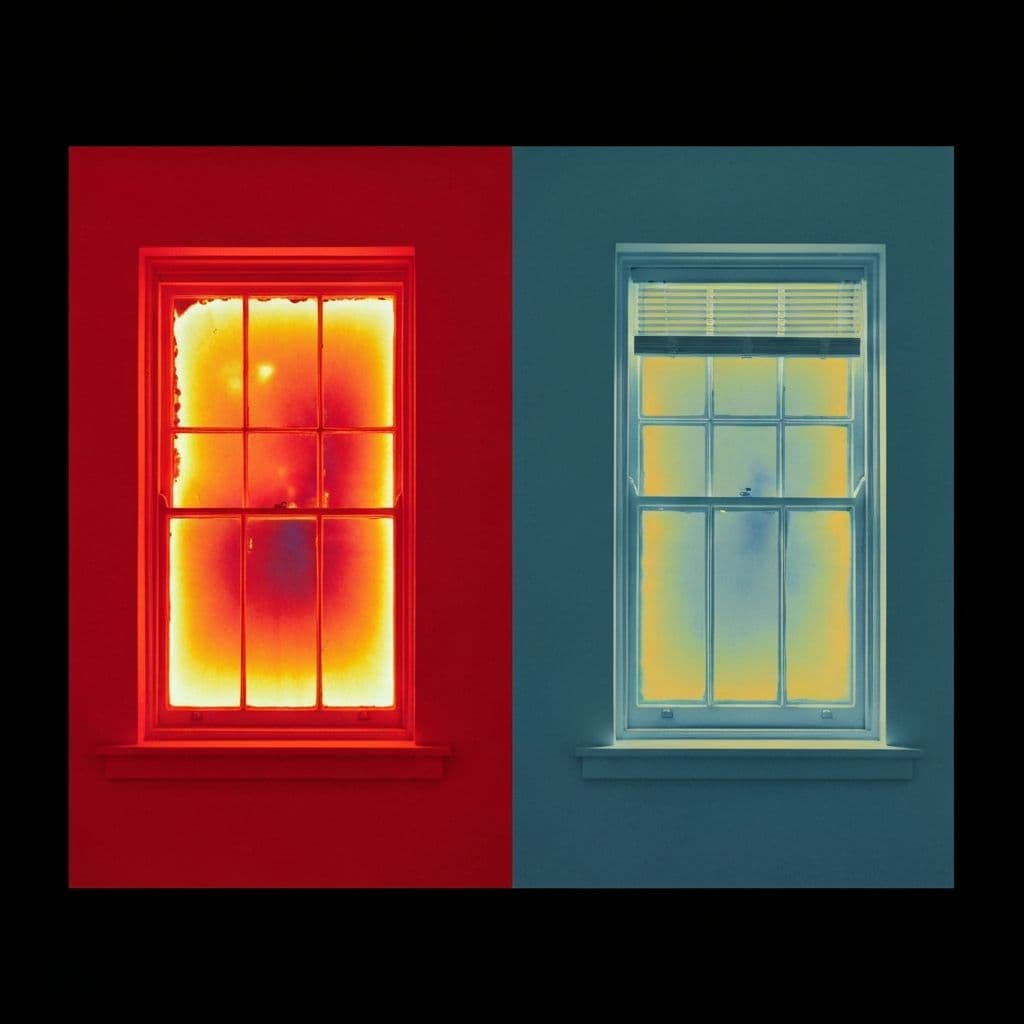
Vacuum Glazing vs. Secondary Glazing: Which Is Right for Your Home?
Penny Hargreaves
Heritage Acoustics Writer
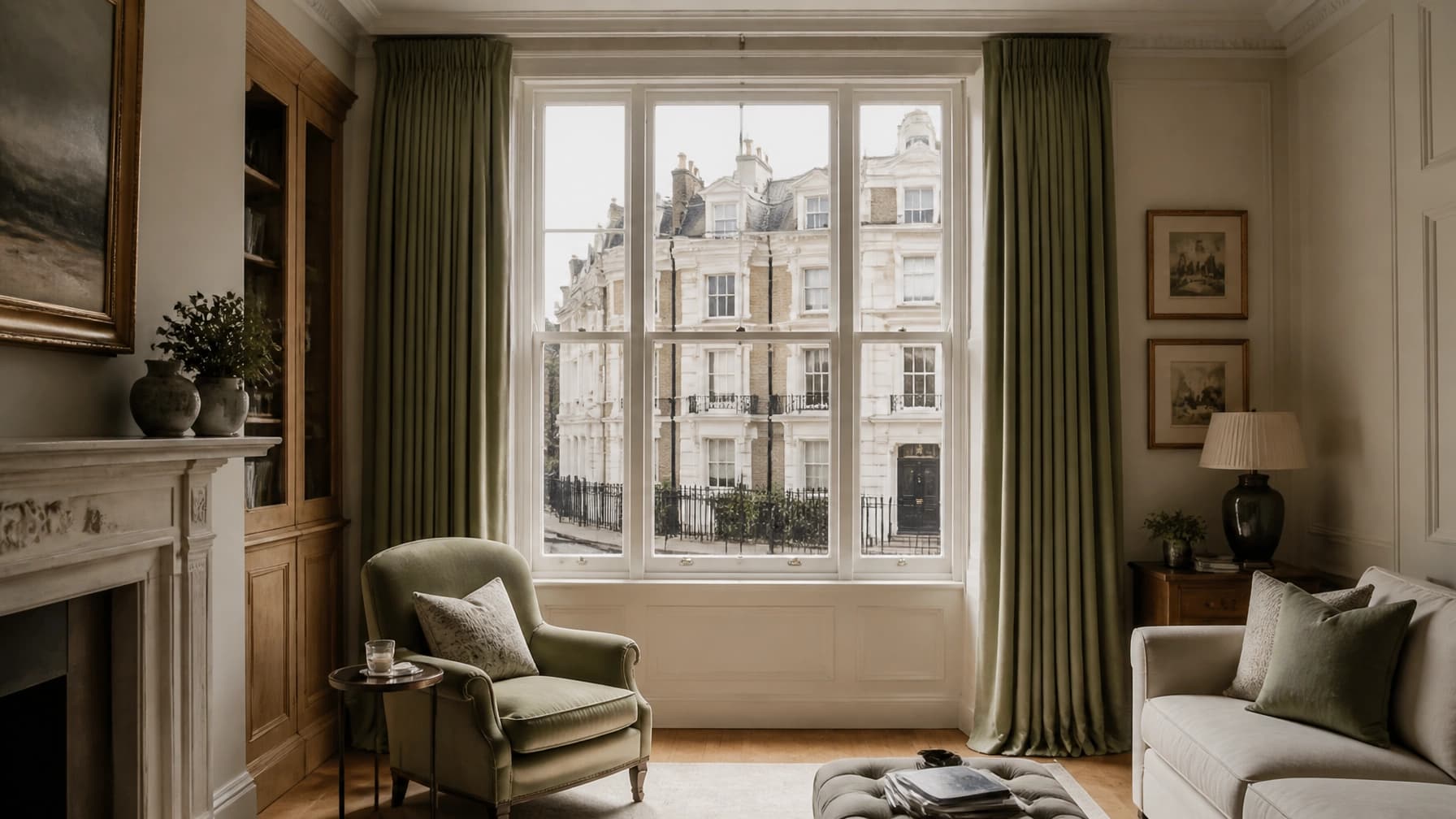
If you live in a period property or a listed building, you know the “Heritage Paradox.” You are the proud custodian of a piece of history: the intricate timber sashes, the crown glass with its charming ripples, the architectural soul of the street. Yet, on a Tuesday evening in mid-January, you are likely shivering in a woolly jumper, watching your curtains dance in a draft, and listening to the rhythmic cocktail of sirens and traffic outside as if they were in the room with you.
Your windows are essentially a colander holding water. They are the primary escape route for your expensive central heating and the weakest link in your acoustic defenses.
When searching for a solution that preserves your property’s soul while fixing its performance, two heavyweight contenders emerge: Vacuum Glazing and Secondary Glazing. One is a high-tech marvel of modern engineering; the other is a “secret weapon” long favored by conservation planning advisors. But which one is the “surgical strike” your home needs? Let’s break down the science, the costs, and the bureaucracy.
The New Kid on the Block: What is Vacuum Glazing?
Vacuum Glazing (often branded as LandVac or Fineo) is essentially a double-glazing unit on a strict diet. Traditional double glazing relies on a thick sandwich of two glass panes separated by an insulating gas like Argon. Vacuum glazing replaces that thick gas layer with a vacuum.
Because heat cannot travel through a vacuum, these units are incredibly thin: often just 6mm to 8mm thick: while offering thermal insulation that can rival or even beat triple glazing.
The Appeal: It is thin enough to potentially fit into the original rebates of your historic timber sashes. From a distance, it looks like a single pane of glass.
The Catch: If you look closely, you will see a grid of tiny “micro-spacers”: small black dots that keep the two panes of glass from collapsing inward under the pressure of the vacuum. Furthermore, to install it, you must remove your original historic glass.
The Heritage Specialist’s Choice: Why Secondary Glazing Remains King
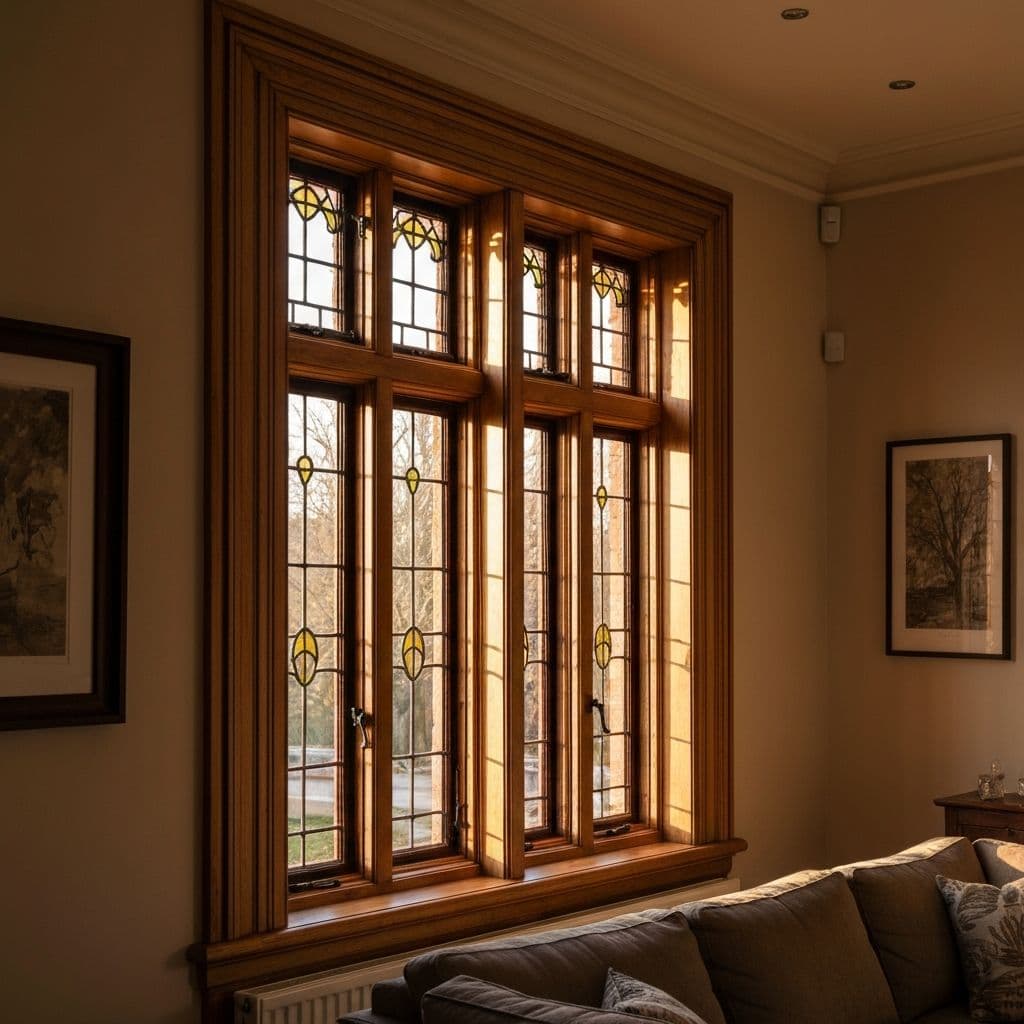
As a homeowner, you aren’t just looking for “better windows”; you are looking for a solution that respects the building’s heritage. Secondary glazing involves installing a discrete, slim-profile internal window behind your existing ones.

It acts as a “second skin” for your home. It doesn’t ask you to destroy the original fabric of your building. Instead, it creates a high-performance thermal and acoustic buffer.
1. The Battle of the U-Values: Thermal Efficiency
In the world of insulation, the “U-value” is your score. The lower the number, the better the window is at keeping heat inside.
| Window Type | Typical U-Value (W/m²K) | Heat Loss Reduction |
|---|---|---|
| Single Glazing (Original) | 5.8 | 0% (Baseline) |
| Secondary Glazing | 1.2 – 1.8 | ~60-70% |
| Vacuum Glazing | 0.4 – 0.7 | ~80-90% |
At first glance, Vacuum Glazing wins on raw thermal data. It is a powerhouse of heat retention. However, we must look at the Return on Investment (ROI). Vacuum glazing is significantly more expensive: often 3 to 4 times the price of secondary glazing. While it saves more energy, the “payback period” in terms of reduced bills can take decades longer than secondary glazing.
For many homeowners in Kensington or Hampstead, secondary glazing provides the “sweet spot”: a massive 60% reduction in heat loss for a fraction of the capital investment.
2. The Science of Silence: Acoustic Performance
If your main frustration is the “thrum” of London traffic or the roar of the Heathrow flight path, pay close attention. Noise transmission is like a drum skin; it thrives on vibration. To stop sound, you need two things: Mass and a Gap.
- Vacuum Glazing: While the vacuum is great at stopping heat, the two panes of glass are rigidly held together by those micro-spacers. This means they vibrate together. It offers good soundproofing (around 35-39dB reduction), but it has its limits.
- Secondary Glazing: Because the secondary frame is physically separated from the primary window by a significant air gap (usually 100mm to 150mm), the sound waves are “broken.” This decoupling is the gold standard for acoustic insulation.
If you are dealing with low-frequency rumble (buses, trains, or heavy traffic), acoustic secondary glazing with a large air gap will almost always outperform vacuum glazing.

3. The “Planning Permission” Loophole
This is where the decision often becomes a “no-brainer.”
Vacuum Glazing requires you to remove the original glass from your sashes. If you live in a Grade II or Grade I listed building, this is an “alteration to the historic fabric.” It usually requires Listed Building Consent, which is notoriously difficult to obtain for glass replacement. Planners often view original glass as irreplaceable.
Secondary Glazing is widely recognized as a reversible alteration. Because the original window remains untouched and the secondary unit can be removed in the future without damaging the building, it is the “path of least resistance” with Conservation Officers. It allows you to reclaim your comfort without a two-year battle with the local planning department.
Aesthetics: Minimal Disruption vs. The “Black Dots”
We like to be honest with our clients. Every solution has a visual trade-off.
- Vacuum Glazing maintains a single window line, but those thousands of tiny micro-spacers (the “dots”) are visible when the sun hits the glass at a certain angle. For some purists, this is a deal-breaker.
- Secondary Glazing adds an internal frame. However, modern bespoke designs are incredibly discreet. We color-match the frames to your existing woodwork and align the meeting rails so they “disappear” behind your original sashes.

Is It Worth It? The Consultative Reality Check
We believe in “surgical” home improvements. If your timber frames are rotting and the wood is soft enough to poke a screwdriver through, secondary glazing won’t save them. In those cases, you need a full joinery restoration before looking at glazing.
However, if your windows are structurally sound but thermally “leaky,” the choice usually comes down to your primary goal:
- Choose Vacuum Glazing if: You have a massive budget, planning permission is already secured, and your absolute top priority is the lowest possible U-value for a “Passive House” style project.
- Choose Secondary Glazing if: You want a cost-effective solution, you need maximum noise reduction, you want to avoid the headache of planning permission, and you want to keep your original historic glass intact.
Is secondary glazing worth it? For the vast majority of heritage property owners in London, the answer is a resounding yes. It provides the most significant performance “jump” for the least amount of disruption and cost.
Reclaim Your Comfort
You don’t have to choose between history and heat. You can be the guardian of your home’s heritage while enjoying the “silent sanctuary” of a modern interior.
Whether you are battling condensation issues or simply tired of the cold, our team specializes in bespoke, discreet installations that respect the architectural integrity of your property.

Ready to see the difference for yourself? Request a bespoke quote today and let’s discuss how we can thermally and acoustically seal your home for the winter ahead.
Sources & References
The information in this article is supported by the following sources. We strive to provide accurate, well-researched content for our readers.
- 1Government
Energy Efficiency and Historic Buildings: Secondary Glazing for Windows. Historic England (2016).
- 2Standard
BS EN 673 Glass in building — Determination of thermal transmittance (U value). British Standards Institution (2011).