Is Secondary Glazing Worth It? Honest Pros, Cons and ROI
Eleanor Hartley
Senior Glazing Consultant
Spending several thousand pounds on your windows is a real decision, so it deserves an honest answer rather than a sales pitch. Here is a balanced look at whether secondary glazing is worth it—including the genuine drawbacks.
The Case For Secondary Glazing
1. Dramatic Noise Reduction
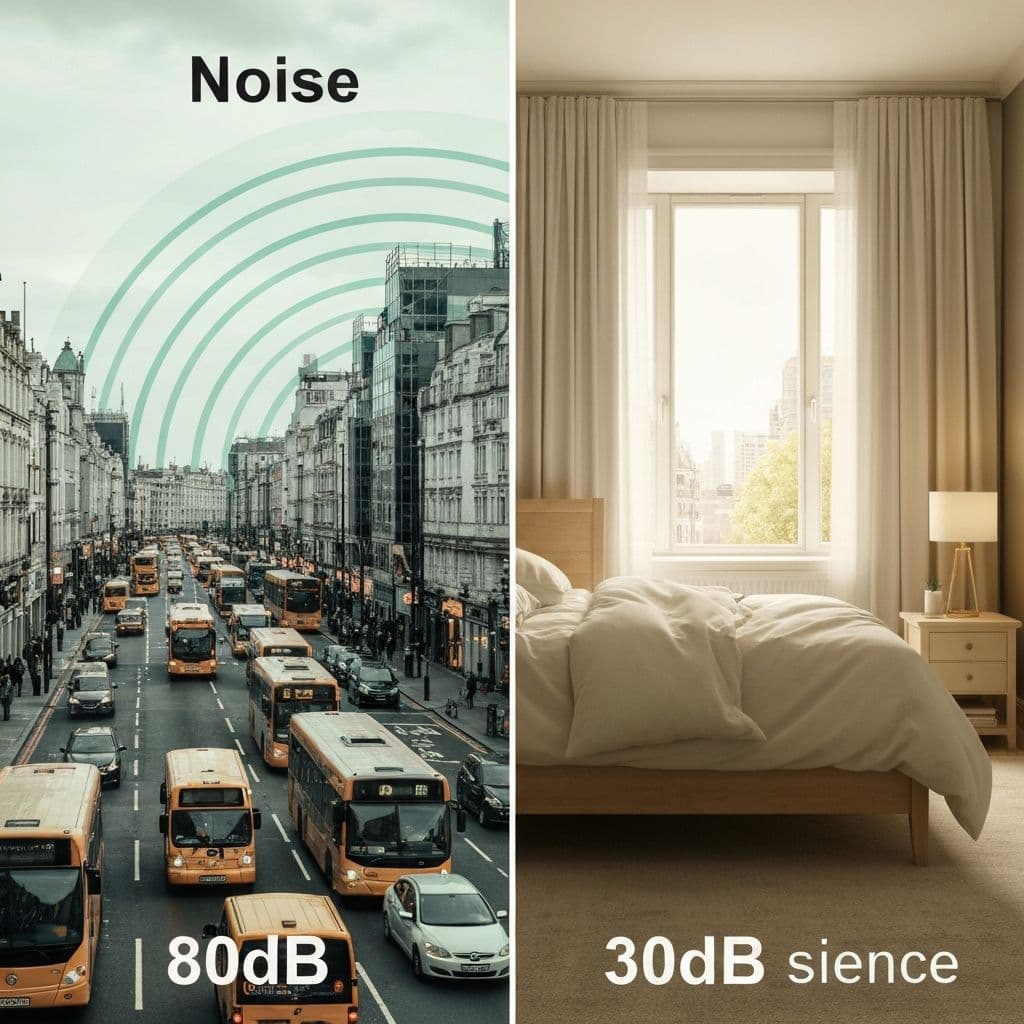
This is where secondary glazing genuinely excels. A well-specified system can cut noise by up to 80%, far outperforming standard double glazing thanks to its large air gap. If you live near traffic, a flight path, or the Tube, this alone can be transformative.
2. Warmer Rooms and Lower Bills
Secondary glazing can reduce heat loss through single-glazed windows by up to 65%, eliminating draughts and cold spots. See the detail in our guide to U-values.
3. Heritage-Friendly
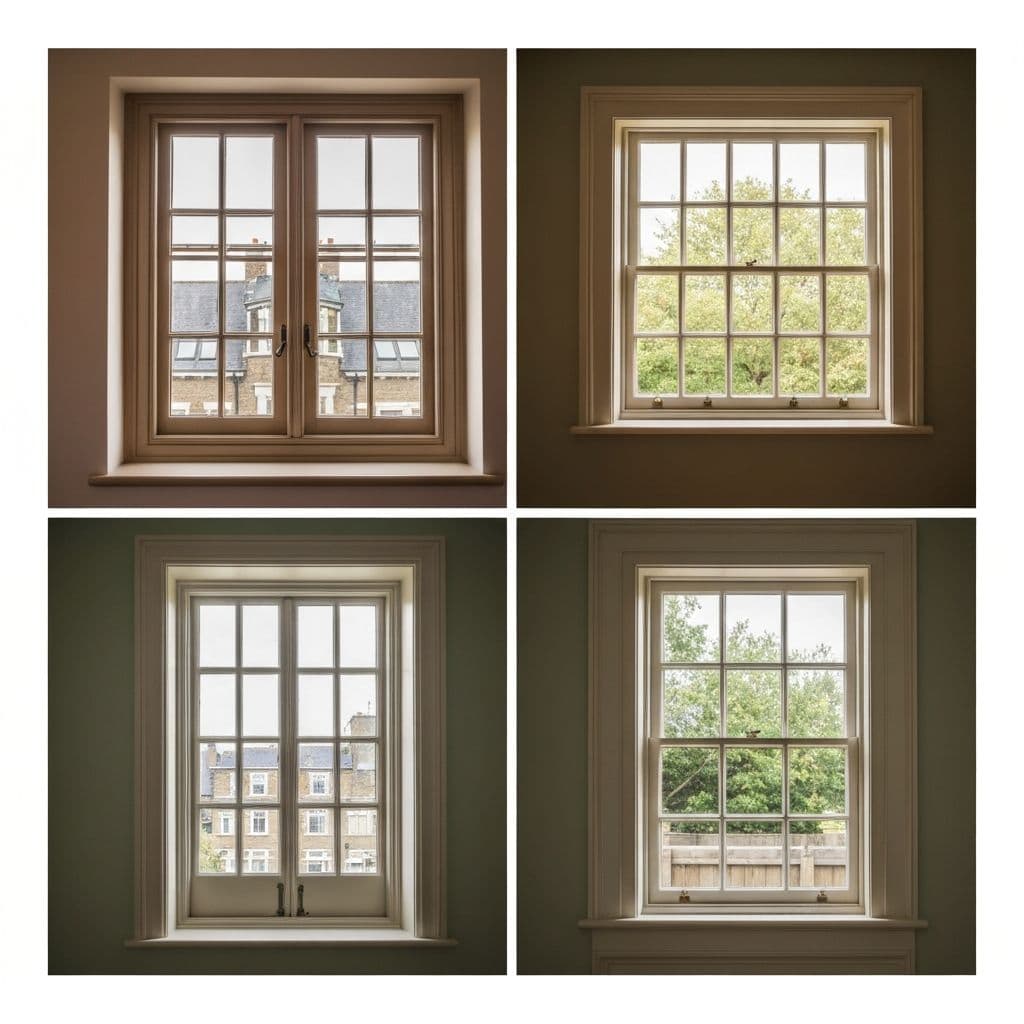
For listed and period homes, it is often the only approved way to improve performance without replacing irreplaceable original windows.
4. Less Condensation and Draughts
By keeping the inner pane warmer, secondary glazing reduces condensation and stops the draughts common in old sash windows.
The Honest Drawbacks
To be fair, secondary glazing is not perfect:
- A second frame to clean: There is an extra pane and frame to wipe down occasionally
- Slight visual change inside: Though good design makes it nearly invisible
- Opening involves an extra step: You open two layers instead of one (though sliders and hinged units make this easy)
- Upfront cost: It is an investment, even if cheaper than replacement
Return on Investment
Energy Savings
Reduced heat loss lowers heating bills year after year. The exact payback depends on your energy use, but the comfort improvement is immediate.
Property Value and Rentability
Better thermal performance improves your EPC rating, which matters for landlords facing 2026 regulations and for buyers who value quiet, warm homes. Quiet bedrooms are a genuine selling point in prime London streets.
Quality of Life
The hardest benefit to price—but often the most valued—is sleep. Clients tell us uninterrupted rest in a quiet bedroom is "worth it" many times over.
A Worked Example: A Victorian Terrace Bedroom
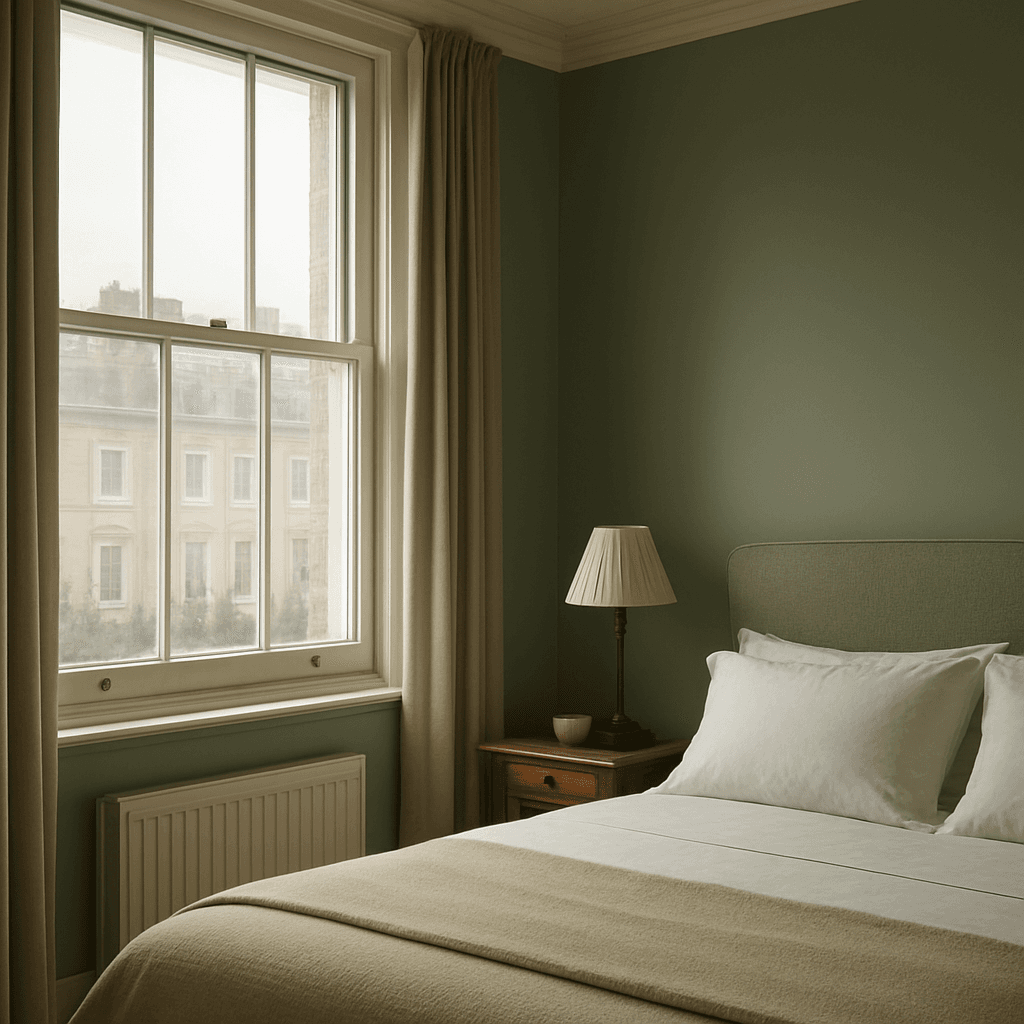
Numbers make this easier to judge. Take a typical front bedroom in a Victorian terrace with two original single-glazed sash windows facing a bus route. Fitting vertical sliders with acoustic laminate to both windows sits towards the upper end of our per-window ranges on the cost guide, so a four-figure sum for the room.
What does that buy? The draughts around the sash boxes stop. The room holds its heat for longer once the radiator goes off. Bus and traffic noise drops from a level that wakes a light sleeper to a background hum. And because the inner pane stays warmer, the morning condensation that was slowly rotting the sill stops. The heating saving alone will not repay the cost quickly, but it is one of four benefits, and owners judge it on all four together.
When It Is Not Worth It
Being honest means saying when we would steer you elsewhere:
- Rotten or failing primary windows: Secondary glazing does not repair decayed timber. Restore the sash first, or you are glazing over a problem that will keep getting worse.
- Modern, well-sealed double glazing that you are happy with: The thermal gain will be small. It is only worth adding for noise, where the large air gap still makes a real difference.
- Very low noise and a warm home already: If you sleep well and the rooms are comfortable, the return is limited.
- Unlisted homes where you want new windows anyway: If you are not attached to the originals and planning allows it, good replacement windows can be a sensible long-term choice.
Secondary Glazing vs Replacement: The Value Comparison
The fairest comparison is with the alternative most people consider. Heritage-standard replacement sash windows usually cost several times more per opening than secondary glazing, involve removing the originals, and in a listed building or conservation area often need consent that may be refused. For noise, secondary glazing generally performs better because of the wider gap between panes. For heat, a sealed modern window is slightly better, but the gap is smaller than most people expect. We set out the detail in secondary glazing vs double glazing.
How to Get the Best Return
- Start with the room that bothers you most. Usually the bedroom on the street side. You will feel the difference straight away and can decide on the rest later.
- Specify glass for the problem. Acoustic laminate where noise matters, standard glass where it is purely about warmth.
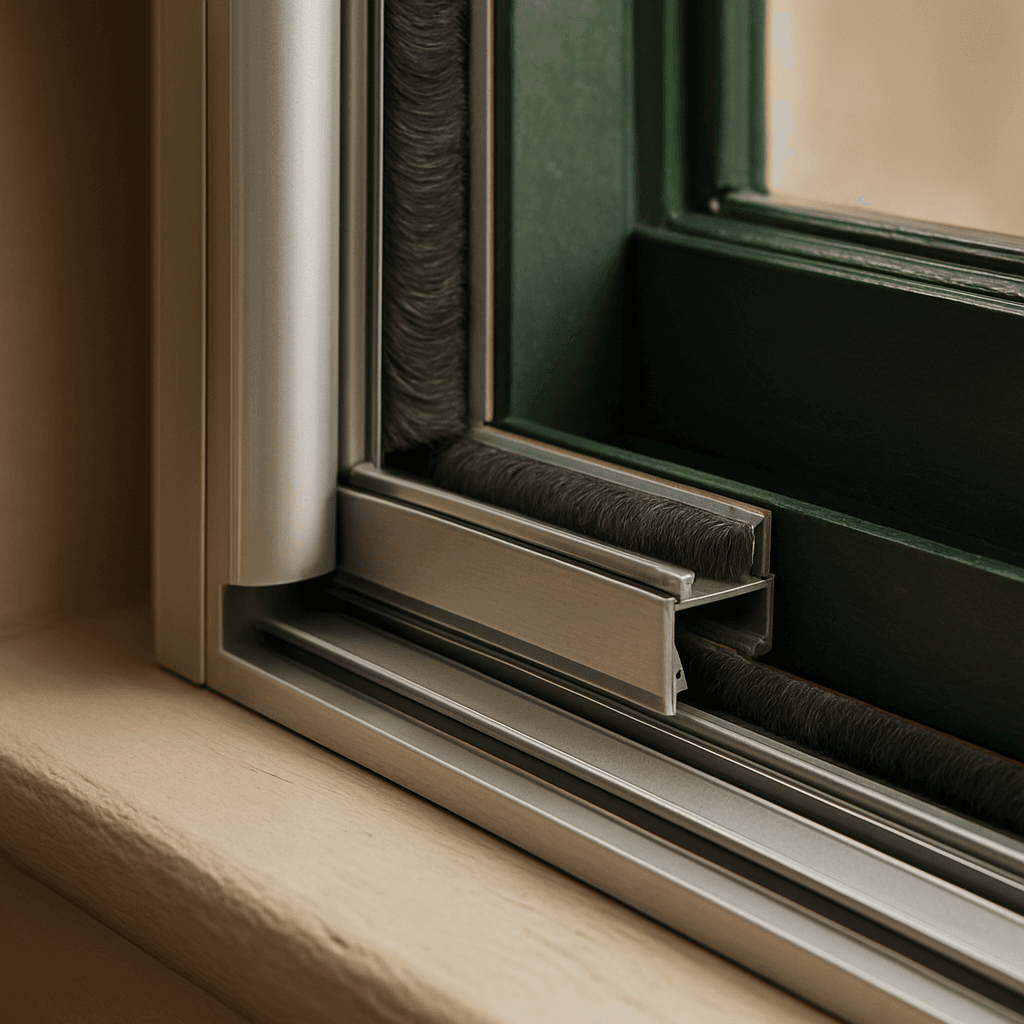
- Get the seals right. Most of the performance depends on an airtight fit, which is why survey and installation quality matter more than the brand on the frame.
- Maintain it lightly. A quick clean of tracks and seals keeps performance consistent for decades—see our lifespan and maintenance guide.
Who Benefits Most?
- Anyone troubled by traffic, aircraft, railway, or neighbour noise
- Owners of cold, draughty period homes
- Listed building owners who cannot replace windows
- Light sleepers, shift workers, and parents of young children
The Verdict
For the right home, secondary glazing is one of the highest-impact upgrades you can make—particularly for noise. If quiet, warmth, and preserving period character matter to you, it is very likely worth it.
The best way to decide is to see the numbers for your own windows. Request a free survey or call 020 7060 1572 for honest, no-pressure advice.