Soundproof Secondary Glazing: Everything You Need to Know
Penny Hargreaves
Heritage Acoustics Writer
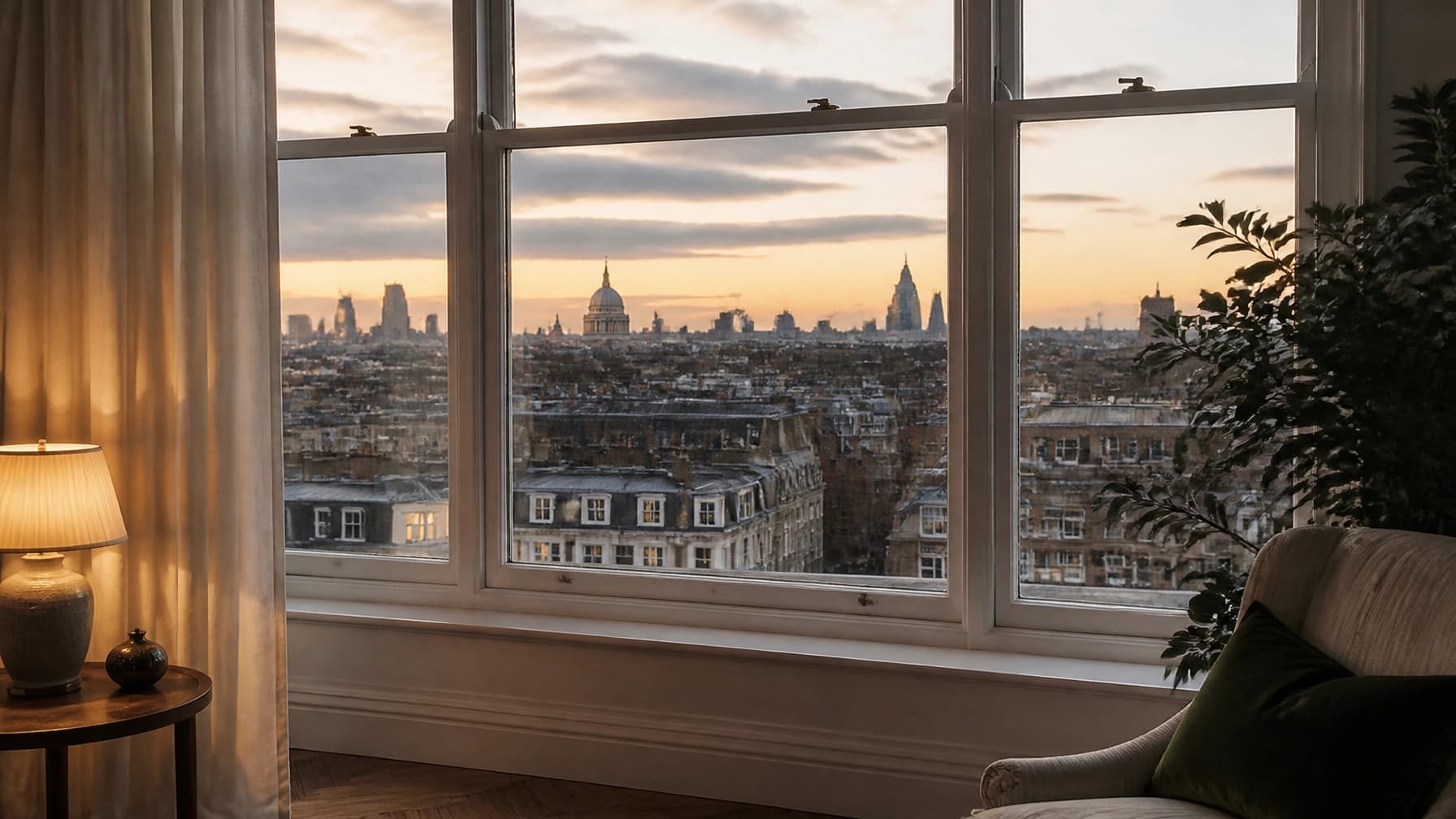
Living in a city is a sensory experience, but for many homeowners in London and across the UK, that “experience” often includes a rhythmic cocktail of sirens, the low-frequency rumble of heavy goods vehicles, and the persistent chatter of passersby. If you find yourself shivering in a woolly jumper while simultaneously trying to ignore the sound of the world outside, you aren’t just dealing with old windows: you’re dealing with a compromised thermal envelope and a lack of acoustic defence.
At Secondary Glazing Specialist, we see ourselves as more than just installers. We are the custodians of your comfort and the protectors of your property’s heritage. If your windows are the soul of your home, then noise pollution is the constant static that prevents you from finding peace.
In this guide, we’re going to pull back the curtain on the science of silence. We’ll explain why standard double glazing often fails where sound is concerned, and how a “surgical strike” approach with secondary glazing can reclaim your home’s tranquility.
The Struggle: Why Your Windows Sound Like a Drum Skin
To understand how to stop noise, you have to understand what noise actually is: vibration.
Think of your existing single-glazed sash windows as a drum skin. When a bus rumbles past, the sound waves hit the glass, causing it to vibrate. Because the glass is thin and rigid, it passes those vibrations directly into your living room. Standard double glazing attempts to solve this by adding a second pane, but with a typical air gap of only 16mm to 20mm, the two panes often vibrate in sympathy with one another. This is known as the “mass-air-mass” resonance.
If you’ve ever felt that double glazing didn’t quite “cut it” for traffic noise, this is why. It’s excellent for keeping the heat in, but for blocking the roar of the Heathrow flight path or a busy A-road, it’s often like using a colander to hold water.
The Science of Silence: The Power of the Air Gap
The secret weapon in the fight against noise isn’t just the glass: it’s the air gap.
While double glazing prioritises thermal efficiency with a small, argon-filled gap, soundproof secondary glazing is designed with a much larger cavity. For optimum acoustic performance, we typically recommend an air gap of 100mm to 200mm.
Why does the gap matter?
- Decoupling: By creating a significant space between the original window and the secondary unit, you “decouple” the two surfaces. The vibration from the outer pane has to travel through a deep cushion of air before it even attempts to rattle the inner pane.
- Low-Frequency Mitigation: Larger gaps are specifically better at absorbing the deep, bassy thuds of heavy traffic and trains: the kind of noise that usually bypasses thinner windows.
- Airtight Sealing: Noise is like water; it will find the smallest hole. Our bespoke installations focus on high-performance compression seals that ensure no sound can “leak” around the edges of the frame.

Acoustic Laminate: The Secret Weapon
If the air gap is the engine of soundproofing, then acoustic laminate glass is the high-performance fuel.
Standard glass is uniform. Acoustic glass, however, is a sandwich. It consists of two layers of glass bonded together with a special PVB (Polyvinyl Butyral) interlayer. This interlayer acts as a dampening core. When sound waves hit the glass, the PVB layer absorbs the energy and converts it into a tiny amount of heat, effectively “killing” the vibration before it reaches your ears.
When we combine a 150mm air gap with a 6.4mm or 8.8mm acoustic laminate pane, the results are transformative. We are talking about a decibel (dB) reduction of up to 50dB to 54dB. In real-world terms, that is often described as an 80% reduction in perceived noise. For a deeper technical breakdown, see our guide on why 10.8mm acoustic laminate glass is the gold standard.
| Window Type | Typical Noise Reduction | Best For |
|---|---|---|
| Single Glazing | 20–25 dB | Heritage looks only |
| Standard Double Glazing | 30–35 dB | Thermal efficiency |
| Acoustic Secondary Glazing | 45–54 dB | Maximum silence & listed buildings |
Is It Better Than Double Glazing?
We like to be honest with our clients. If your primary goal is purely thermal and you are replacing rotting frames anyway, new double glazing is a standard choice. However, if your primary frustration is noise, secondary glazing is almost always the superior solution.
In fact, many of our clients already have double glazing but still find the noise levels intolerable. Adding a secondary layer creates what is known as a “triple leaf” effect. While this sounds complex, the result is simple: by adding a third pane of glass with a significant air gap, you create a fortress of silence that double glazing alone simply cannot match. You can read more in our comparison of secondary glazing vs double glazing.

The Heritage Loophole: Protecting History
For owners of listed buildings or those living in conservation areas like Kensington or Chelsea, the struggle is often bureaucratic. You want to be warm and quiet, but the local planning office won’t let you touch your original 19th-century sashes.
This is where secondary glazing acts as your “insider’s tip.” Because the installation is internal and completely reversible, it rarely requires planning permission. It is a non-invasive upgrade that allows you to maintain the aesthetic longevity of your property while enjoying 21st-century acoustic performance. It is, quite literally, the best of both worlds.
Minimal Disruption, Maximum ROI
We understand that your home is a sanctuary, not a construction site. One of the greatest benefits of our approach is the minimal disruption. Unlike full window replacements, which involve scaffolding, debris, and potential damage to internal plasterwork, secondary glazing is a clean, “surgical” installation.
Most rooms can be completed in a matter of hours. There’s no need to redecorate, and because the units are bespoke, they are designed to blend seamlessly with your existing architraves. You won’t even notice they are there: until you realise you can no longer hear the neighbour’s car alarm.
For those considering the long-term value of their property, soundproofing is a significant factor in return on investment. A quiet home is a premium home, especially in the heart of London.

A Transparent Warning
While we are experts in our field, we believe in consultative honesty. Secondary glazing is a powerful tool, but it is not magic. If your existing window frames are physically rotting or if there are massive gaps in your brickwork, adding a secondary pane is like putting a premium door on a tent. We always recommend a quick assessment to ensure your primary windows are structurally sound enough to benefit from the upgrade.
Reclaim Your Peace of Mind
You shouldn’t have to choose between the character of your period home and the quality of your sleep. Whether you are battling the hum of the city or the chill of a British winter, the solution lies in the science of the air gap.
If you are ready to stop “dealing with” the noise and start enjoying your home again, we are here to help. Our team provides bespoke, professional installations tailored to the unique needs of your property.
Ready to see the difference for yourself? Get a free, no-obligation quote today and take the first step toward a quieter, warmer home.
Sources & References
The information in this article is supported by the following sources. We strive to provide accurate, well-researched content for our readers.
- 1Standard
BS 8233:2014 Guidance on sound insulation and noise reduction for buildings. British Standards Institution (2014).
- 2Website
Pilkington Technical Advisory Service. Acoustic Glazing Performance Data. Pilkington Glass. Accessed June 2026.
- 3Government
Energy Efficiency and Historic Buildings: Secondary Glazing for Windows. Historic England (2016).