Condensation on Period Windows: Causes, Dangers, and Solutions
James Whitfield
Conservation Planning Advisor

You wake on a winter morning to find your beautiful sash windows streaming with water. The glass is fogged, droplets run down onto the timber, and there's that telltale musty smell. Condensation on period windows isn't just unsightly—it's actively damaging your home and potentially your health.
Understanding why condensation forms and how to prevent it can save your original windows from decay, protect your family from mould-related illness, and transform your home's comfort.
Why Condensation Forms
Condensation occurs when warm, moist air meets a cold surface. The air can no longer hold its moisture, which deposits as water droplets—exactly like a cold drink "sweating" on a summer day.
In homes, this happens because:
- We generate moisture: Cooking, bathing, breathing, and drying clothes all add water vapour to indoor air
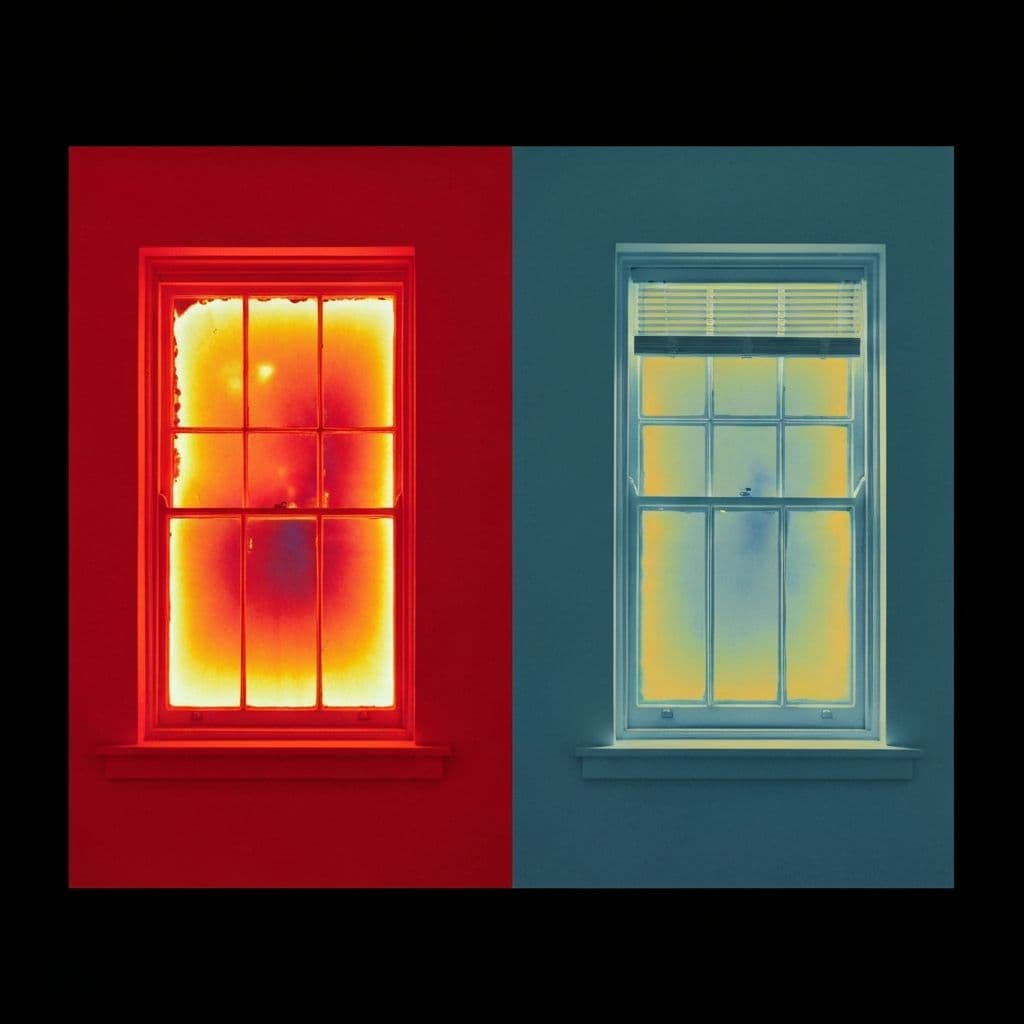
- Windows are cold: Single glazing transmits heat rapidly, making the glass surface much colder than room air
- Modern living traps moisture: Better-insulated walls, draught-proofing, and sealed doors reduce natural ventilation
Period properties are particularly vulnerable because single-glazed windows get very cold—often approaching outdoor temperatures—while the rest of the house is heated.
The Dangers of Window Condensation
Timber Decay
Water running down glass collects on timber frames, particularly at the bottom rail of sash windows. Over months and years, this moisture:
- Saturates the timber
- Causes paint failure and flaking
- Creates conditions for wet rot fungus
- Eventually destroys structural integrity
Repairing rotten sash windows costs £500-£1,500 per window. In listed buildings, where replacement isn't permitted, the original fabric is irreplaceable at any price.
Mould Growth
Damp conditions around windows are perfect for mould. Black mould (Stachybotrys) and other species thrive where condensation is persistent. You'll often see:
- Black spots on window frames and reveals
- Mould growth on curtains and blinds
- Discolouration of wallpaper and paint near windows
- Musty odours in affected rooms
Health Impacts
Mould exposure is linked to serious health problems:
- Respiratory issues: Asthma, bronchitis, and breathing difficulties
- Allergic reactions: Sneezing, runny nose, red eyes, skin rashes
- Immune system effects: Particularly concerning for elderly, young children, and immunocompromised individuals
- Chronic conditions: Long-term exposure associated with ongoing respiratory illness
The NHS estimates that damp and mould affect 4-6 million UK homes and contribute to thousands of respiratory deaths annually.
Why Period Windows Suffer Most
Victorian and Edwardian windows are particularly prone to condensation:
Single Glazing
Original period windows have single panes of glass with a U-value around 5.8 W/m²K. This means heat passes through very quickly, and the inner glass surface gets cold. Modern double glazing (U-value 1.4-1.8) keeps the inner surface much warmer.
Slim Glazing Bars
The elegant thin glazing bars of Georgian and Victorian sashes have minimal thermal mass—they get cold quickly and are often the first place condensation forms.
Draughts Create Cold Spots
Ironically, draughty windows can make condensation worse in specific areas. Cold air entering through gaps chills the surrounding glass and timber, creating localised condensation hotspots.
Improved Insulation Elsewhere
Modern upgrades—loft insulation, wall insulation, draught-proofing doors—often leave windows as the coldest element in the building envelope. Moisture that previously escaped through general air leakage now concentrates on windows.
Solutions That Don't Work
Just "Ventilating More"
Opening windows in winter does reduce humidity—but it also loses heat, increases energy bills, and makes the house uncomfortable. It's not a sustainable solution.
Dehumidifiers
Portable dehumidifiers help but don't address the root cause. They're expensive to run, noisy, and require constant emptying. They're a symptom treatment, not a cure.
Anti-Condensation Paint
These products add slight insulation to the painted surface but make negligible difference to condensation on glass—which is where the problem manifests.
The Permanent Solution: Secondary Glazing
Secondary glazing solves condensation by addressing the root cause: cold glass surfaces. Here's how:
Warmer Inner Surface
The secondary glazing panel, installed inside the window reveal, stays close to room temperature. Warm, moist air contacts this warm surface—no condensation forms.
Protected Original Windows
The air gap between original and secondary glazing acts as a thermal buffer. Your original single-glazed windows don't get as cold because they're no longer exposed directly to warm room air.
Reduced Humidity at the Original Glass
Any moisture in the sealed cavity is limited, and the original glass (now effectively outside the heated envelope) typically stays dry because the warm moist room air can't reach it.
Where Condensation Might Still Occur
With secondary glazing, you may occasionally see light condensation on the outer (original) glass during extreme cold. This is harmless because:
- The timber frame is protected by the secondary glazing
- Moisture quantities are much smaller
- Natural ventilation in the cavity allows drying
- The warmest, most vulnerable surfaces (inner secondary glazing) stay dry
We can include discrete ventilation in the secondary glazing frame to ensure any cavity moisture escapes.
Bonus Benefits
While solving condensation, secondary glazing simultaneously delivers:
- Noise reduction: 35-54dB depending on specification
- Heat retention: 50-65% reduction in window heat loss
- Draught elimination: Complete seal against air infiltration
- Original window preservation: No modification to heritage fabric
- Security improvement: Additional barrier to entry
Costs vs Consequences
Consider the economics:
Secondary Glazing Investment
- Typical Victorian terrace (8 windows): £4,000-£7,000
- Lifespan: 25+ years
Condensation Damage Costs
- Sash window repair (per window): £500-£1,500
- Timber frame replacement (if beyond repair): £1,500-£3,000
- Mould remediation: £500-£2,000
- Redecoration after mould damage: £1,000-£3,000
- Health costs: Incalculable
Secondary glazing isn't just a comfort upgrade—it's preventive maintenance that protects your property and health.
Getting Started
If condensation is affecting your period windows, act before winter causes more damage. Request a free survey and we'll assess your situation, explain your options, and provide a detailed quotation.
Call 020 7060 1572 to discuss condensation solutions for your home.