Sash Window Secondary Glazing: Keep the Charm, Lose the Draughts
Penny Hargreaves
Heritage Acoustics Writer
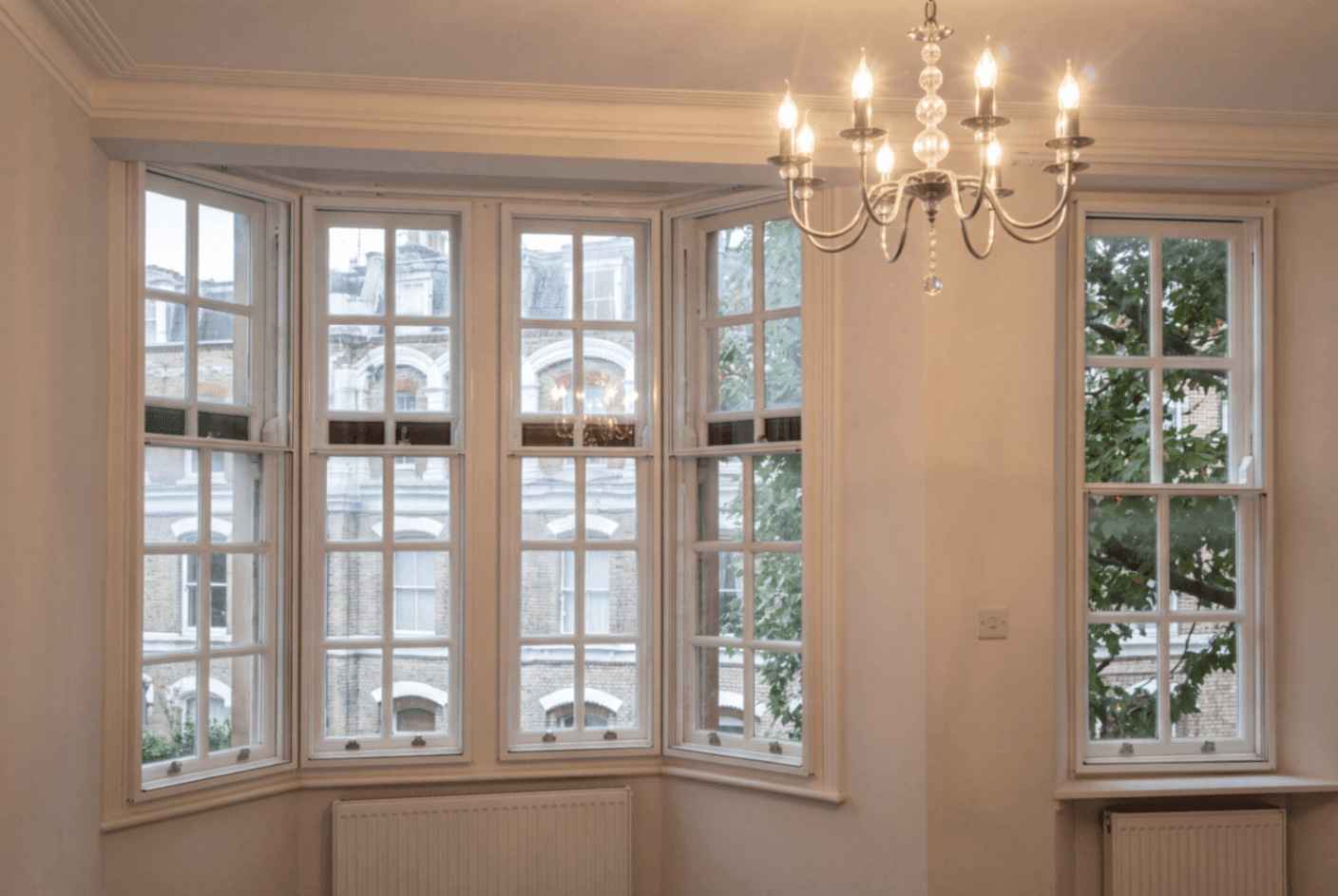
If you live in a period property, you already know the “sash window paradox.” You get all the elegance, proportion, and character of those beautiful old timber frames, but you also get the less romantic side of the deal: cold draughts round your ankles, a room that never quite warms up, and curtains that twitch even when the window is supposedly shut.
That is the thing about traditional sash windows. They can look wonderful and still leak heat and noise like nobody’s business. In real life, they often behave a bit like architectural colanders, letting your expensive warmth drift out while ushering in traffic, wind, and that familiar outside clatter.
And if you own a listed building or live in a conservation area, the obvious fix is rarely an option. Swapping everything out for modern uPVC double glazing can quickly turn into a planning headache.
Secondary glazing is the quiet workaround. It lets you keep the charm of the original window while making the room feel far more comfortable to live in. For the full specification and pricing, see our dedicated guide to sash window secondary glazing. Think of this article as a chat with someone who works with these windows every day and can show you the sensible route through the problem.
The Struggle: Why Sash Windows Feel So Draughty
Traditional timber sashes were built long before anyone talked about thermal envelopes or U-values. They were beautifully made, but they were never designed to perform like a modern sealed unit. Over time, timber moves, paint builds up, cords stretch, and the once-neat fit between the sashes becomes a lot less exact.
Here’s an installer’s insight we see all the time: even the best-looking sash windows often have hidden gaps around the meeting rails. From the room, everything can appear straight and well cared for. But once you test for airflow, those little openings show themselves. They are one of the most common reasons a window that looks perfectly respectable still feels draughty.

And then there’s the rattle. When a sash is a little loose in its frame, every passing lorry or gust of wind can set it off, so the window becomes part of the evening soundtrack whether you invited it or not.
The Science of Silence: Reclaiming Your Peace
Noise is surprisingly good at finding its way through old windows. A single pane doesn’t have to work very hard to let sound pass through, especially when the sash itself has a bit of movement in it. Secondary glazing for sash windows helps by adding a second, separate line of defence.
Because the secondary unit sits away from the original window, usually with a generous air gap of around 100mm to 150mm, the two panes are not behaving like one thin vibrating sheet. That separation is what makes such a difference.
- Acoustic Laminate: Using specialist glass with a PVB interlayer can reduce noise by up to 80%.
- The Decibel Drop: A high-performance secondary system can deliver sound reduction of up to 51dB.
If you live under a flight path or near a busy main road, that change can be the difference between merely putting up with your home and genuinely relaxing in it.
Thermal Efficiency: Stopping the “Colander” Effect
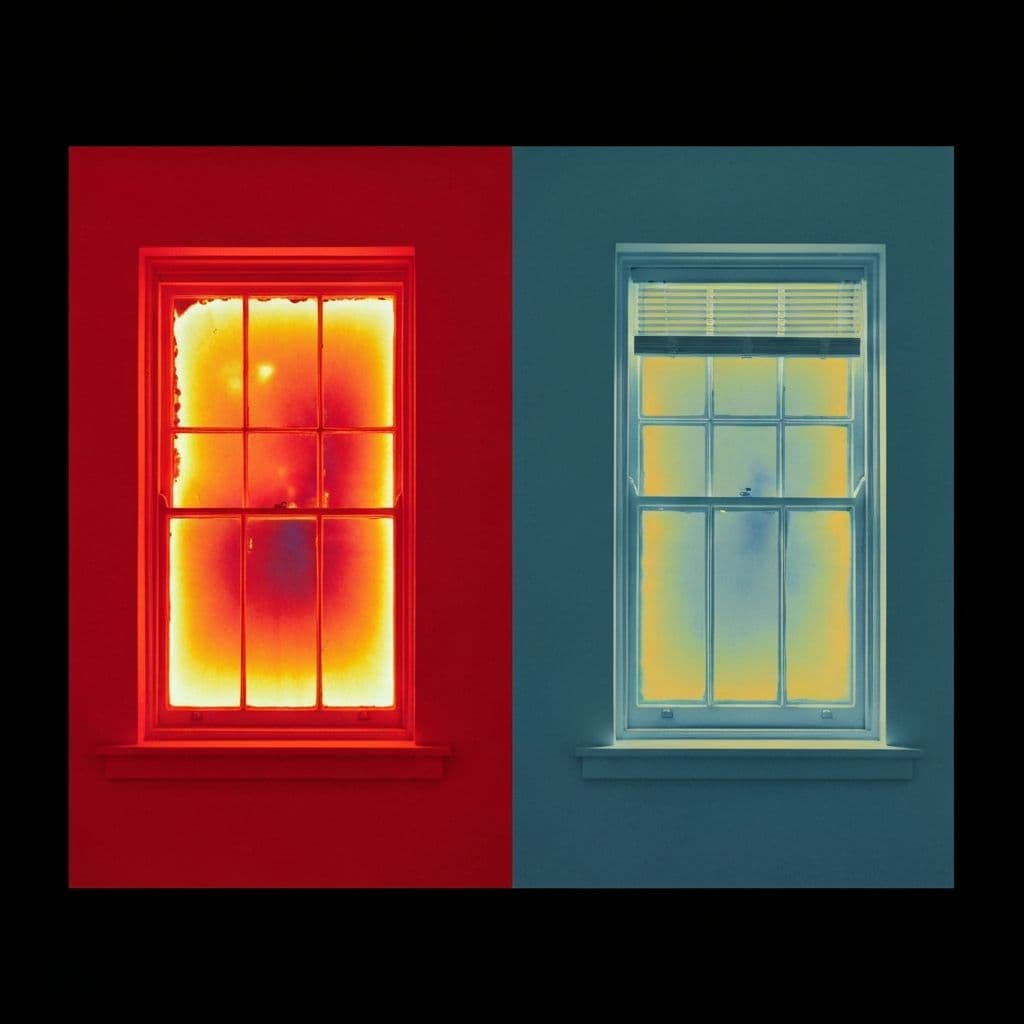
When people ask whether secondary glazing actually makes a room warmer, this is the part we look at. In simple terms, U-values tell you how quickly heat escapes through a window. A typical single-glazed timber sash often sits around 4.5 to 5.0 W/m²K, which is not great. The lower the number, the better the insulation.
Add a discreet secondary glazing unit with Low-E glass, and you can reduce heat loss by over 60%. In many cases, that brings the overall window performance much closer to modern double glazing, often landing between 1.8 and 2.7 W/m²K.

What does that feel like day to day? Fewer cold spots, less of that chill dropping off the glass in the evening, and a boiler that is not constantly trying to catch up.
Is It Worth It? The Comparison
We like to be honest with our clients: if your original timber frames are rotting or structurally unsound, secondary glazing won’t save them. You need a carpenter before you need an installer. However, if your frames are healthy but simply underperforming, secondary glazing is often the superior choice over double-glazed replacements.
| Feature | Single Glazed Sash | Double Glazed Replacement | Secondary Glazing |
|---|---|---|---|
| Aesthetic Preservation | 100% | Often compromised | 95% (Discreet) |
| Noise Reduction | Poor | Moderate (approx. 30dB) | Excellent (up to 50dB+) |
| Heat Loss Reduction | 0% | High | High (60%+) |
| Planning Permission | N/A | Often required / denied | Rarely required |
| Cost | Baseline | Very High | Cost-Effective |
The Listed Building “Loophole”
For many of our clients in Kensington or Hampstead, planning permission is the biggest hurdle. Conservation officers are (rightly) protective of original glass and timber.
Because secondary glazing is considered a reversible internal alteration, it is generally accepted without the need for complex planning applications. It is the most effective way to upgrade a listed property’s thermal performance without damaging its “aesthetic longevity.”
The Massive Cost Difference (Your Wallet Will Thank You)
Let’s get straight to the numbers because that’s usually the biggest decider. When people ask about the secondary glazing sash windows cost, they are often pleasantly surprised.
On average, professional secondary glazing installation costs between £200 and £600 per window, depending on the size and the style you choose. For a typical three-bedroom Victorian terrace, you’re looking at an investment of roughly £2,000 to £5,000.
Now, compare that to high-end, timber double-glazed sash windows. To do it right: meaning windows that actually look like they belong on an old house: you could easily be looking at £1,500 to £2,500 per window. For that same three-bedroom house, your bill could spiral toward £15,000 or £20,000.
Secondary glazing is roughly 50% to 70% cheaper than a full replacement. Because we are adding a discreet internal frame rather than tearing out your existing structure, the labor costs are lower, and the material requirements are more efficient. If you want to see which specific designs fit your budget, take a look at our guides on vertical sliders, horizontal sliders, and fixed panels.
Zero Mess, Zero Stress Installation
Have you ever seen a full window replacement? It’s not pretty. It involves “ripping out” the old frames, which usually means damaging the surrounding plaster, disturbing the window architraves, and creating a massive amount of dust. Once the new windows are in, you’re often left with a bill for a decorator to come and fix the walls and paint the new woodwork.
Secondary glazing installers work differently. Because we are fitting the new frame onto your existing internal window reveal, there is no structural demolition.
- Speed: Most homes can be completed in a single day.
- Cleanliness: We don’t need to tear down walls. A bit of drilling and some high-quality sealant, and we’re done.
- No Redecorating: You won’t need to repaint your whole room or fix cracked plaster once we leave.
It’s the most “frictionless” home improvement project you’ll ever undertake. You can leave for work in the morning with drafty windows and come home in the evening to a quiet, warm, and energy-efficient house.

Bespoke Design: Invisible Protection
A common concern is that secondary glazing will look like an ugly “add-on.” Modern systems are designed to be almost invisible.
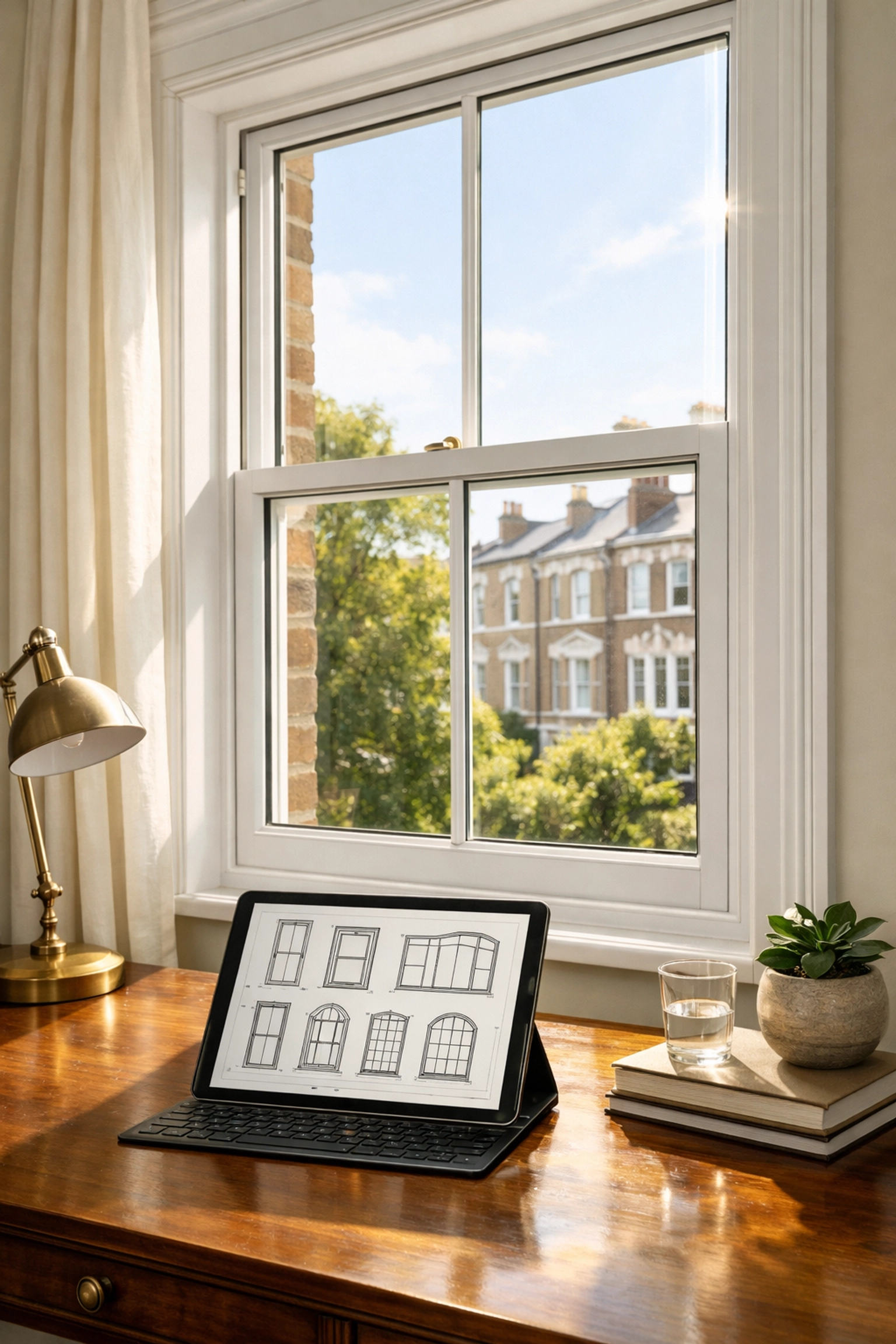
We use vertical sliders that align perfectly with your existing sash meeting rails. The frames are slim-line and can be powder-coated to match any RAL colour, ensuring they blend seamlessly into your interior décor. When installed correctly, most visitors won’t even notice they are there: until they realise how quiet and warm the room is.
Your home should feel comfortable as well as beautiful. And if you are the custodian of an older property, you should not have to choose between preserving its character and actually enjoying living in it. Sash window secondary glazing gives you a way to do both.
Whether you’re dealing with the causes of condensation, tired old draughts, or the steady hum of outside noise, it is one of the most sympathetic and effective upgrades available for period windows.
If you want to reclaim a bit more warmth, quiet, and comfort without compromising the history of your home, request a bespoke quote today.
Sources & References
The information in this article is supported by the following sources. We strive to provide accurate, well-researched content for our readers.
- 1Government
Energy Efficiency and Historic Buildings: Secondary Glazing for Windows. Historic England (2016).
- 2Standard
BS 8233:2014 Guidance on sound insulation and noise reduction for buildings. British Standards Institution (2014).