Can You Still Open Your Windows With Secondary Glazing?
Marcus Webb
Installation Director
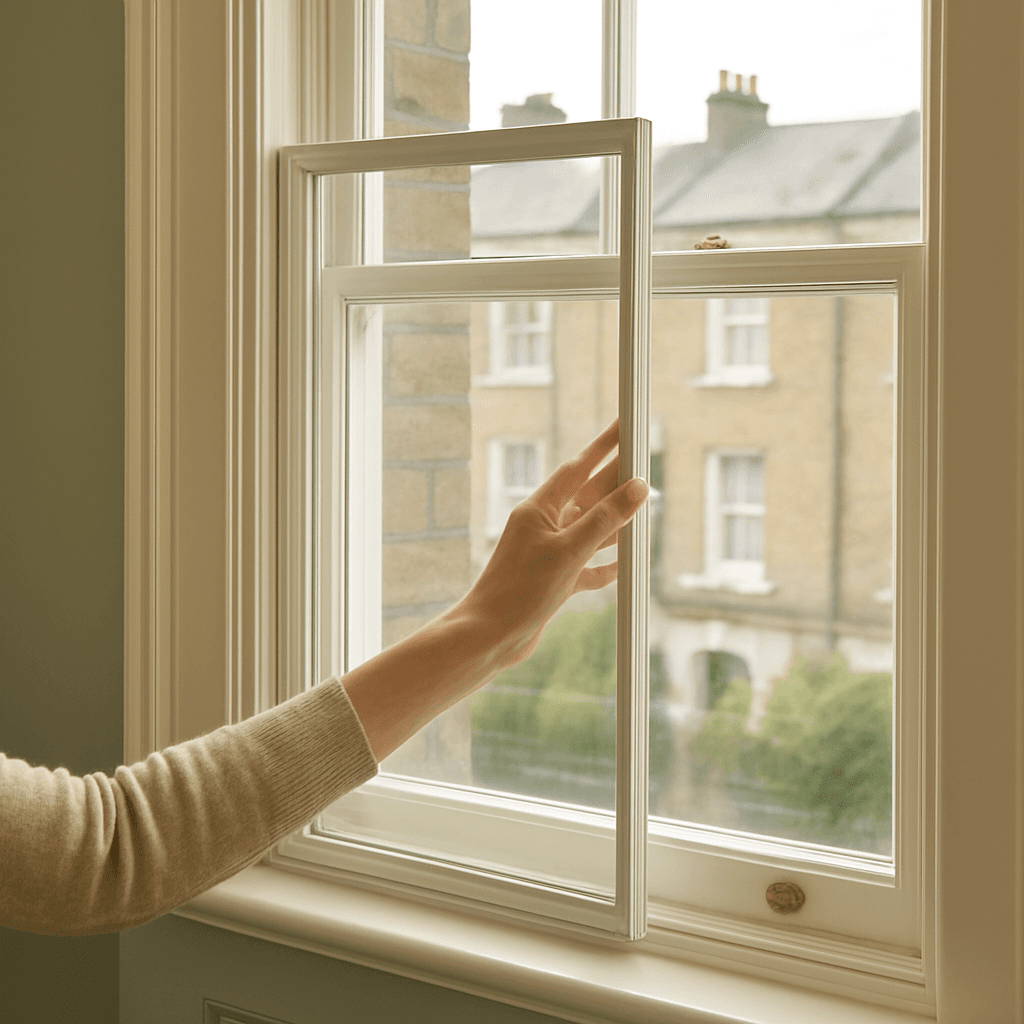
One worry stops many people before they start: "If I add a second window, will I still be able to open the original?" It is a sensible question—and the answer is a clear yes. Modern secondary glazing is designed specifically so you can open, ventilate, and clean your windows with ease.
The Short Answer
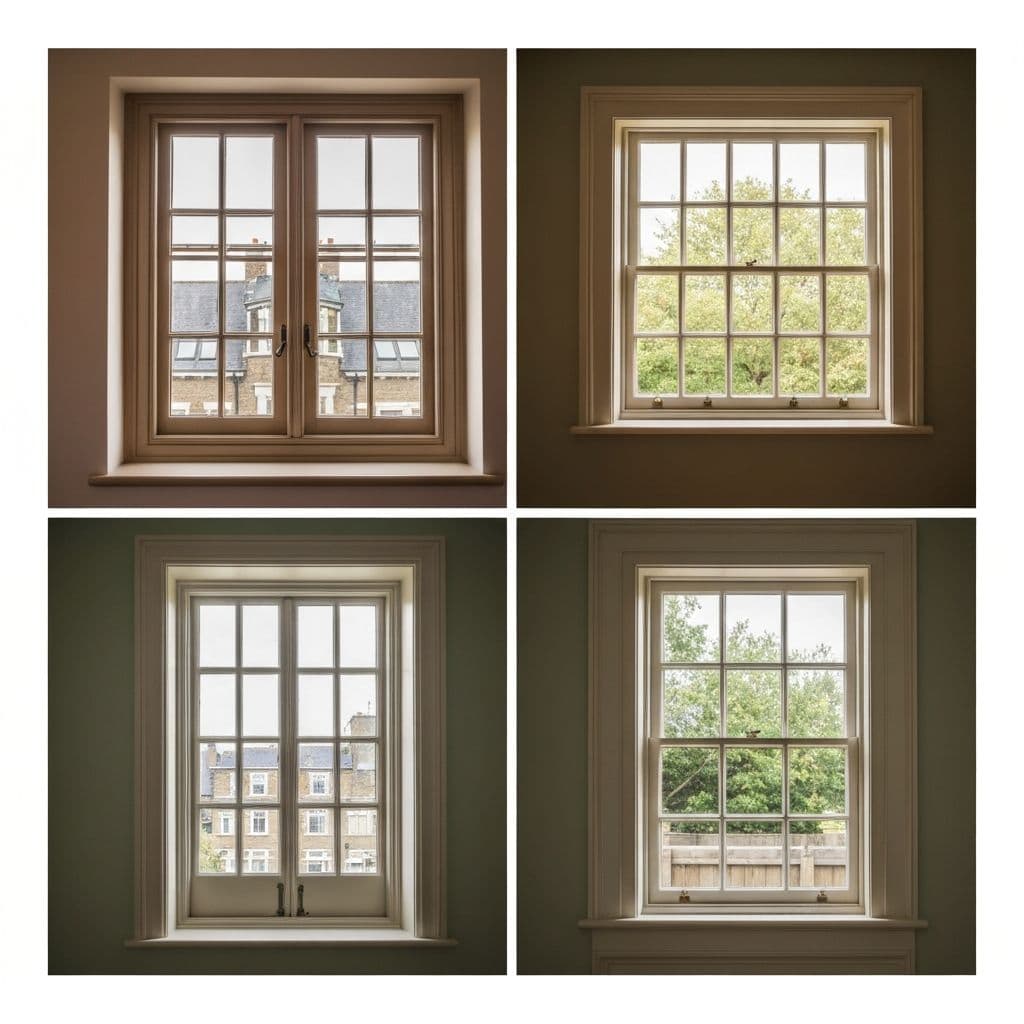
Yes. Secondary glazing is made to match how your existing windows work. Whether you have sliding sashes or hinged casements, there is a secondary glazing style that opens in harmony with them.
How Each Type Opens
Vertical Sliders (for Sash Windows)
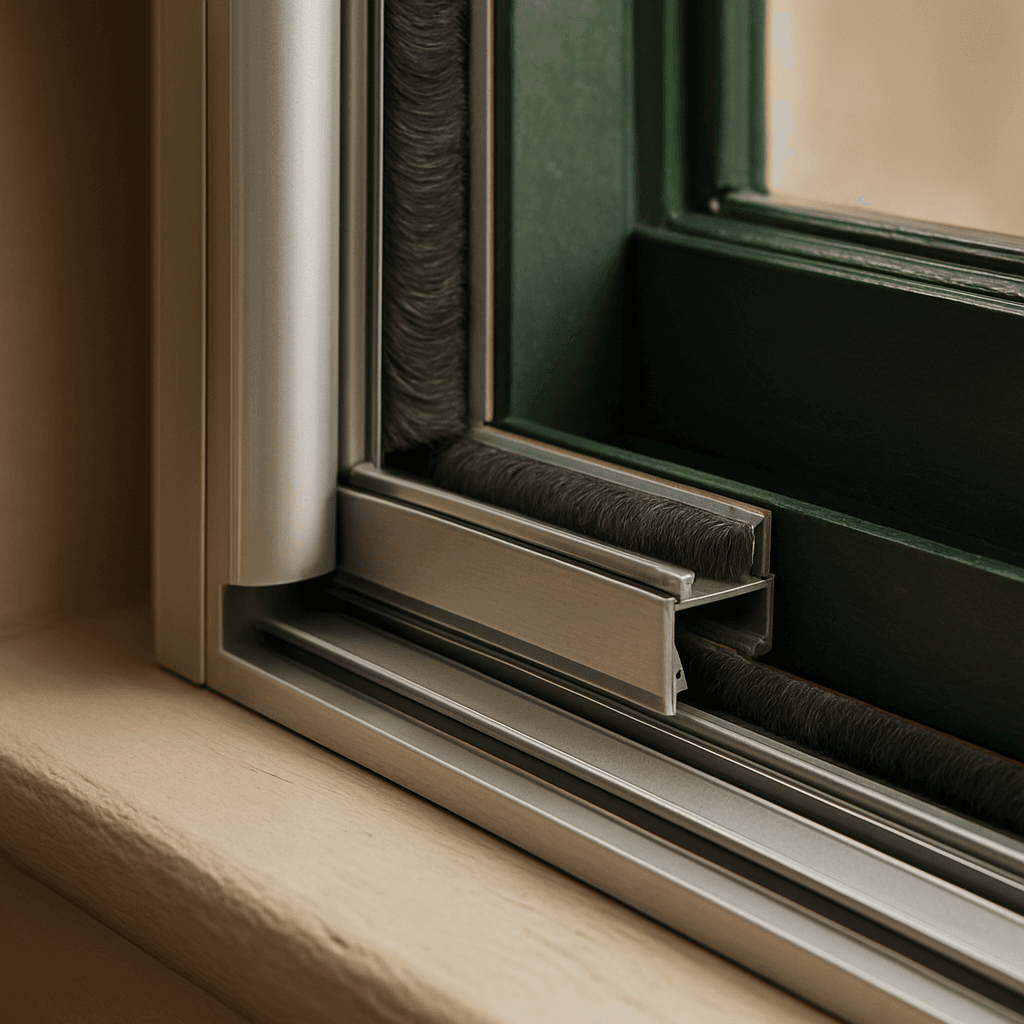
Vertical sliding units mirror the movement of traditional sash windows. You slide the secondary panel up, then open the original sash behind it—natural and intuitive.
Horizontal Sliders (for Wide Windows)
Horizontal sliders glide side to side, ideal for wide openings and easy everyday ventilation.
Hinged Casements
Hinged units swing open like a door, giving full access to casement windows behind—perfect where you want to throw the window wide open.
Lift-Out Panels
Lift-out units are removable entirely. Great for windows you open seasonally rather than daily.
Fixed Panels
Fixed panels do not open—so they are best reserved for windows you never need to open, where they offer the slimmest, most affordable solution.
What About Ventilation?
You can ventilate normally. Simply open the secondary unit and then the primary window. Many clients on quieter sides of the home leave windows open as usual, and use the secondary glazing's noise benefit when closed. Trickle vents can also be incorporated where continuous background ventilation is required.
Cleaning Access
Because sliding, hinged, and lift-out units all open, you can easily reach the space between the two panes to clean both surfaces. We cover this in our maintenance guide.
Fire Escape Windows
This is important: if a window is a designated fire escape, the secondary glazing must allow rapid, tool-free opening. We specify easy-release units for escape windows so safety is never compromised. Always tell your surveyor which windows are escape routes.
Which Style Suits How You Use the Window?
The right choice depends less on the window and more on how often you open it:
- Opened every day (kitchen, bedroom): A vertical slider on a sash, or a hinged unit on a casement. Both open in a single movement.
- Opened in summer only: A lift-out panel is often ideal. Take it out in May, put it back in October, and enjoy the slimmest sightlines in winter.
- Wide openings and patio-style windows: A horizontal slider avoids a heavy panel swinging into the room.
- Never opened (stairwells, landings): A fixed panel keeps cost down and performance up.
Opening Heavy or Tall Sash Windows
Tall Georgian and Victorian sashes can be heavy, and some owners worry that a second layer will make them harder to use. It does not. The secondary slider is balanced independently so it stays where you leave it, and it is far lighter than the timber sash behind. The sequence becomes: slide the inner panel up, then lift the original sash as you always have. On very tall windows we can split the secondary unit into three panes so you only ever move a manageable section.
Child Safety and Security
Opening secondary glazing can be fitted with restrictors that limit how far it opens, which is useful in children's bedrooms and on upper floors. Locks on the secondary unit add a second barrier behind the original window, which many clients value on ground-floor rooms. Any restrictor on an escape window must still release without a key or tool.
Ventilating on a Noisy Street
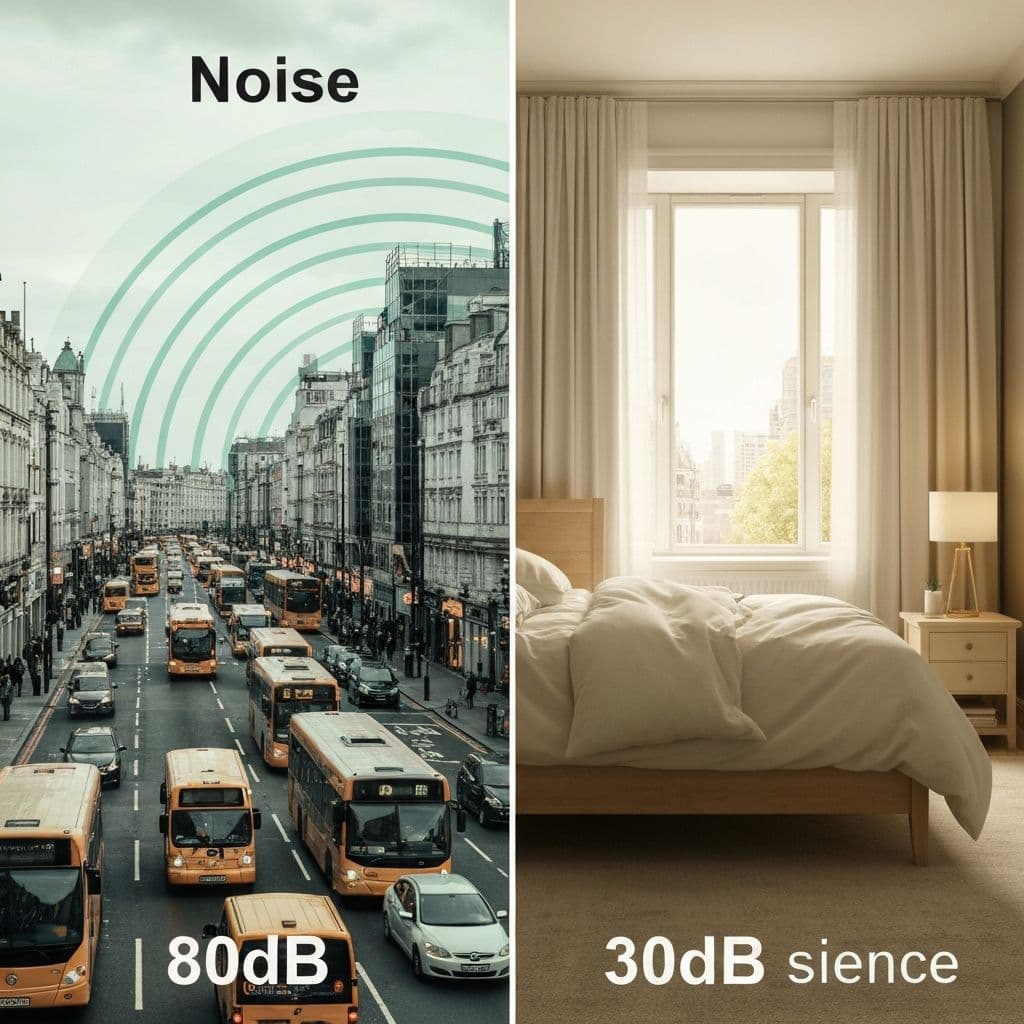
On a busy road there is a trade-off: an open window lets noise in. Most clients ventilate in short bursts in the morning and evening, then close both layers at night for sleep. Opening the secondary unit and the primary sash at offset heights—one at the top, one at the bottom—creates a longer path for sound while still letting air through. Where background ventilation is needed with the windows shut, acoustic trickle vents are the better answer. Our guide to secondary glazing for noise reduction covers this in more detail.
Accessibility and Ease of Use
For older owners or anyone with limited grip strength, we can fit larger handles, lower-set catches and lighter glass where acoustic performance is less critical. Hinged units are often the easiest to operate from a seated position, while sliders suit tight spaces where a swinging panel would get in the way of furniture.
Matching the Right Style to Each Window
Most homes use a mix—sliders on sash windows, hinged units on casements, and perhaps fixed panels on a landing window that never opens. A survey identifies the best style for each opening, balancing ease of use, ventilation, and performance. For a full overview, see our comparison of secondary vs double glazing.
See It Work for Your Windows
The easiest way to picture it is a free survey, where we demonstrate how each option opens. Request your free survey or call 020 7060 1572 to find the right style for every window in your home.