Secondary or Double Glazing? A Building Physicist's Verdict on Noise and Heat
Dr Sarah Chen
Building Physics Consultant

One of the most common questions we hear from London homeowners is: "Should I get secondary glazing or double glazing?" It's a fair question, and the answer isn't as straightforward as many glazing companies would have you believe.
The truth is, both solutions have their place. But for noise reduction, listed buildings, and many period properties, secondary glazing consistently outperforms double glazing. Let's dive into the science and practicalities to help you make the right choice.
Want the side-by-side summary first? Read our secondary glazing vs double glazing comparison, then come back here for the building physics behind it.
The Fundamental Difference
Double glazing replaces your existing windows entirely with sealed units containing two panes of glass separated by a small gap (typically 16-20mm) filled with air or argon gas.
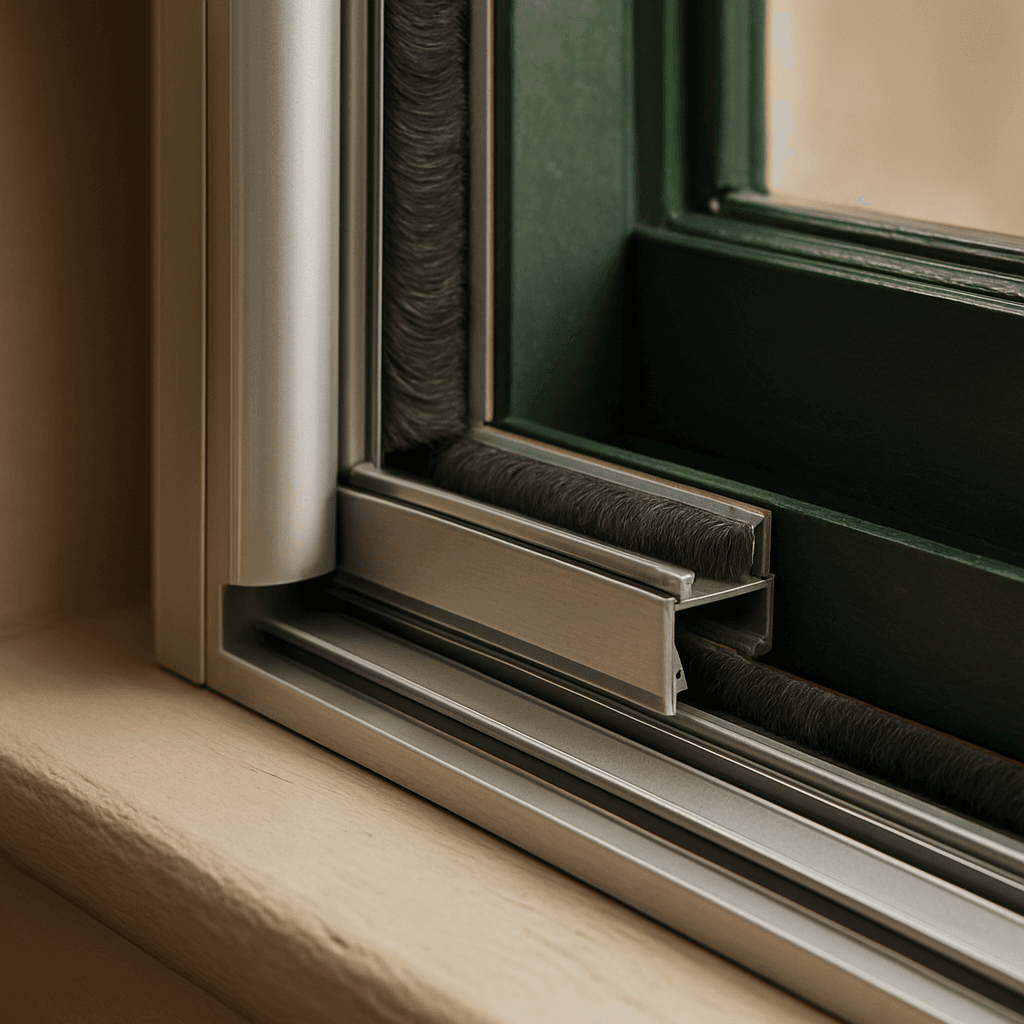
Secondary glazing adds a completely separate window on the inside of your existing window, creating a much larger air gap (typically 100-200mm) between the original glass and the new pane.
This distinction is crucial because the size of the air gap determines acoustic performance, while the quality of the seal determines thermal performance.
Noise Reduction: Secondary Glazing Wins
If your primary concern is blocking traffic noise, aircraft noise, or urban sound pollution, secondary glazing is the clear winner. Here's why:
The Physics of Sound
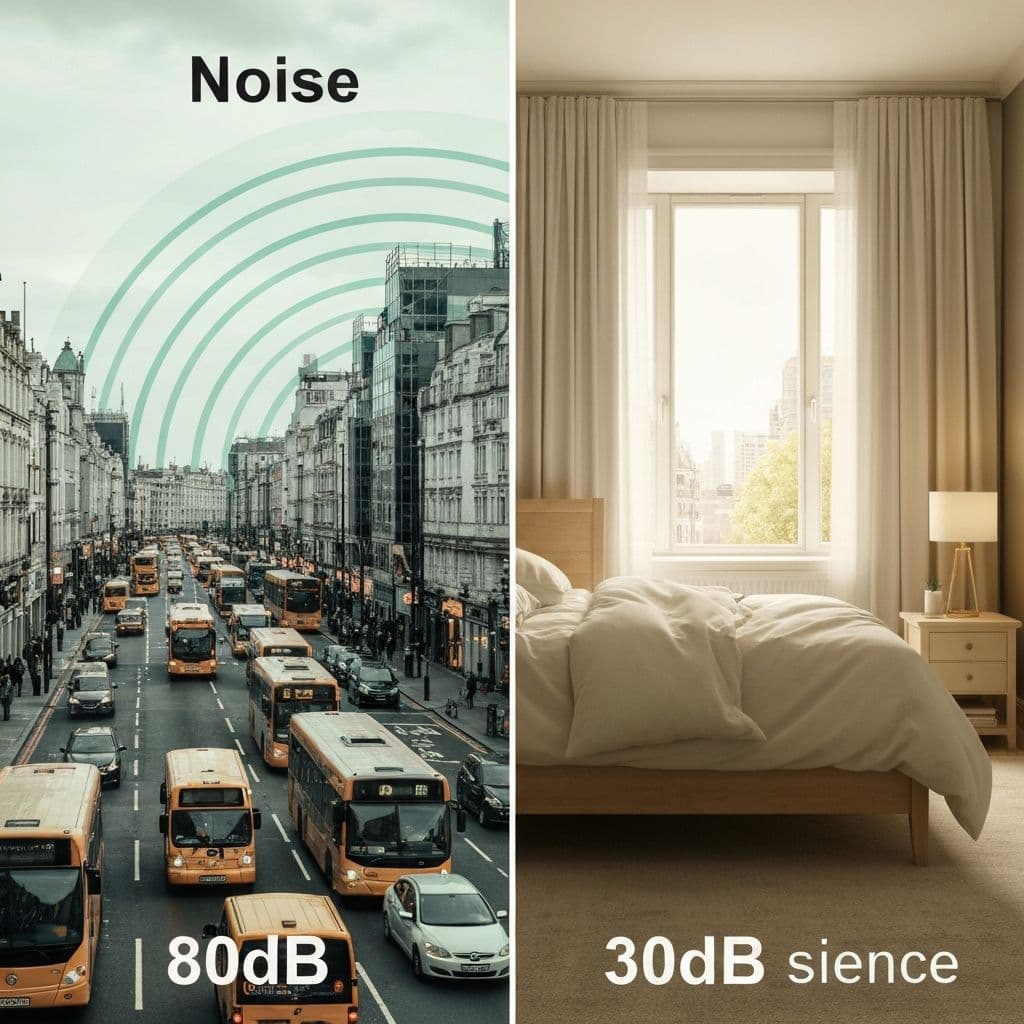
Sound waves lose energy as they travel through air. The larger the air gap between two barriers, the more energy is lost. Double glazing's 16-20mm gap simply isn't enough to significantly attenuate low-frequency sounds like traffic rumble, bus engines, or aircraft noise.
Secondary glazing with a 100mm+ air gap can achieve noise reductions of 45-54dB when fitted with acoustic laminate glass. Standard double glazing typically achieves only 25-35dB.
Real-World Performance
| Glazing Type | Air Gap | Typical Noise Reduction |
|---|---|---|
| Single glazing | N/A | 20-25dB |
| Standard double glazing | 16-20mm | 25-32dB |
| Acoustic double glazing | 16-20mm | 32-38dB |
| Secondary glazing (standard) | 100mm+ | 35-42dB |
| Secondary glazing (10.8mm acoustic) | 100mm+ | 45-54dB |
For homes near busy roads, flight paths, or railway lines, this difference is transformative. A 10dB reduction is perceived as halving the volume, so the gap between double and secondary glazing represents a genuinely life-changing improvement.
Thermal Performance: It's Closer Than You Think
Double glazing is often marketed as the gold standard for thermal insulation, but secondary glazing performs remarkably well:
- Double glazing U-value: 1.2-1.6 W/m²K
- Secondary glazing U-value: 1.8-2.2 W/m²K (when combined with existing single glazing)
Yes, double glazing has a slight edge in pure thermal terms. However, secondary glazing also eliminates draughts by creating an airtight seal on the inside of your window reveal. For many period properties with poorly fitting original windows, this draught elimination provides comfort improvements that rival or exceed double glazing.
Secondary glazing can reduce heat loss through windows by up to 65% and cut heating bills significantly.
Listed Buildings: Secondary Glazing Is Often Your Only Option
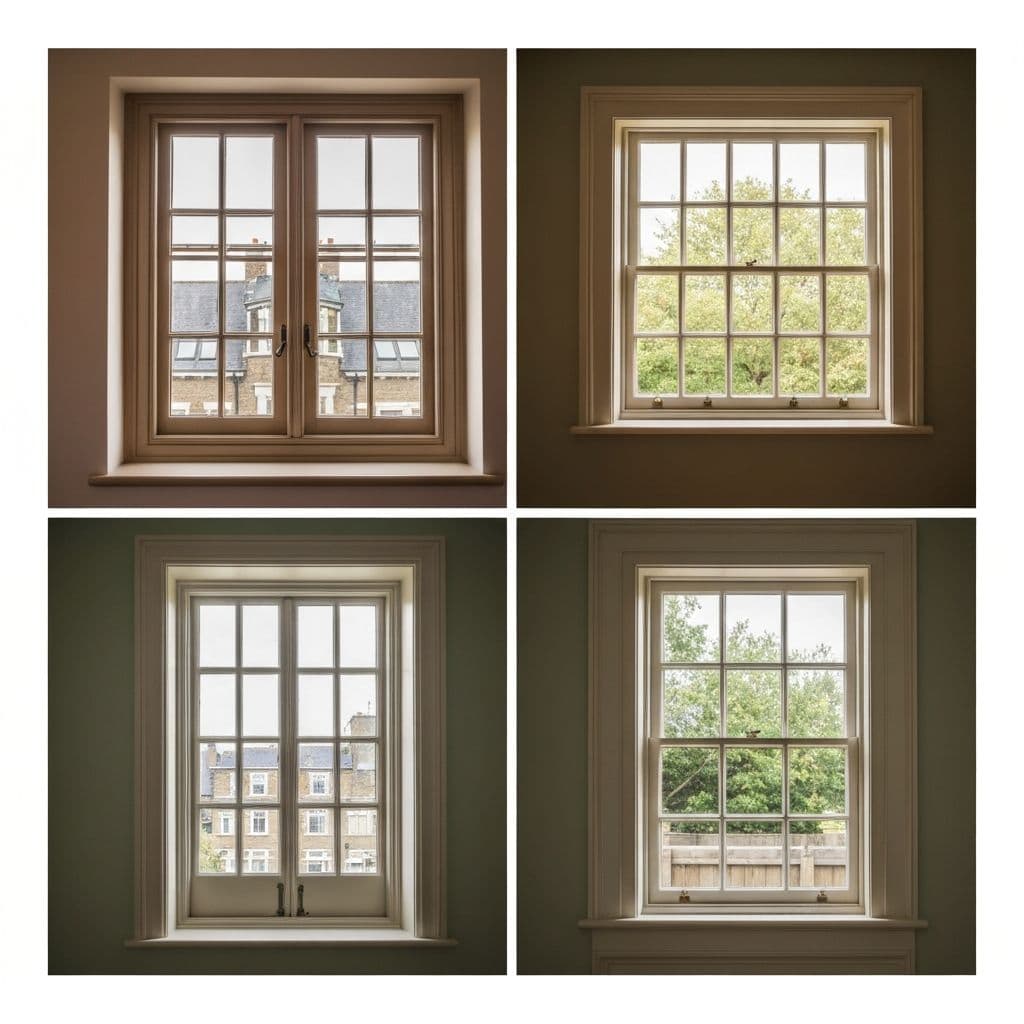
If you own a Grade I, Grade II, or Grade II* listed building, replacing original windows with double glazing typically requires Listed Building Consent—and it's frequently refused.
Conservation officers protect the "historic fabric" of listed buildings, and original windows are usually considered an essential part of that fabric. Even "heritage-style" double glazing often fails because:
- The glass reflection looks different to original single glazing
- The glazing bars are thicker to accommodate the sealed units
- The sash weights may need modification for the heavier glass
Secondary glazing, by contrast, is installed on the inside of your existing windows. It doesn't alter the external appearance and is fully reversible—two factors that make it acceptable to most conservation officers without formal consent.
For listed building owners in Kensington, Chelsea, and Westminster, secondary glazing represents the only viable path to modern comfort.
Cost Comparison
Costs vary significantly based on window size, access, and specification, but here's a general guide:
Double Glazing (per window)
- Standard UPVC: £400-£600
- Timber (heritage style): £800-£1,500
- Aluminium (slim profile): £1,000-£2,000
Secondary Glazing (per window)
- Standard 6mm glass: £250-£450
- Acoustic laminate glass: £400-£700
- High-spec heritage finish: £600-£1,000
Secondary glazing is typically 30-50% cheaper than equivalent-quality double glazing, with the added benefit of preserving your original windows.
Installation Disruption
Double glazing installation:
- Requires scaffolding for upper floors
- Original windows removed and disposed of
- Significant mess and debris
- 1-2 days per room
- House exposed to elements during installation
Secondary glazing installation:
- No scaffolding required (internal installation)
- Original windows preserved
- Minimal mess
- 2-4 hours per window
- No exposure to weather
When Should You Choose Double Glazing?
Double glazing makes sense when:
- Your existing windows are beyond repair
- You're in a new-build or unlisted property with no heritage constraints
- Noise isn't a significant concern
- You prioritise marginal thermal gains over acoustic performance
When Should You Choose Secondary Glazing?
Secondary glazing is the better choice when:
- Noise reduction is a priority
- You live in a listed building or conservation area
- You want to preserve original windows
- You need a cost-effective solution
- You want minimal installation disruption
- You're renting and can't modify the building
The Draught Factor
Here's what U-value comparisons miss: draughts. Period windows, particularly sash windows, leak air through gaps around frames, meeting rails, and sash edges. This uncontrolled ventilation can account for more heat loss than conduction through the glass itself.
Secondary glazing eliminates draughts completely by creating an airtight seal across the entire window opening. Double glazing, while thermally efficient through the glass, doesn't address draughts from the original frame unless the entire window is replaced.
In practice, this means:
- Secondary glazing on a draughty sash window can reduce total heat loss by 60-70%
- Double glazing (keeping the original frame) might only reduce heat loss by 40-50%
Condensation and Timber Preservation
Single-glazed windows in heated rooms suffer from condensation—warm moist air hitting cold glass creates water droplets that run down onto timber frames. Over time, this causes rot, paint failure, and decay.
Secondary glazing addresses this brilliantly. The inner pane stays close to room temperature, so condensation forms on the outer (original) window instead—if it forms at all. The air gap between the two panes acts as a buffer zone.
For Grade II listed properties in Chelsea or Kensington, where replacing original windows isn't an option, secondary glazing provides thermal improvement while actively protecting irreplaceable historic fabric.
Real Energy Savings
What does this mean for your heating bills? Based on our installations across London:
Typical Victorian Terrace (4-bed)
- Before secondary glazing: £2,400/year heating
- After secondary glazing: £1,650/year heating
- Annual saving: £750 (31%)
- Payback period: 6-8 years
Georgian Townhouse (5-bed)
- Before secondary glazing: £3,800/year heating
- After secondary glazing: £2,500/year heating
- Annual saving: £1,300 (34%)
- Payback period: 8-10 years
These savings come from both improved insulation and eliminated draughts. Properties with particularly leaky windows see even greater improvements.
The Science of Silence: Why the Gap Matters
To understand why secondary glazing often outperforms double glazing for noise, we have to talk about physics. Don’t worry, we’ll keep it simple.
Sound travels in waves. To stop those waves from entering your living room, you need to create obstacles. Most modern double-glazed units feature two panes of glass separated by a tiny gap, usually between 16mm and 20mm. While this is fantastic for keeping heat in, it’s not actually that great at stopping low-frequency noise, like the rumble of a heavy truck or a bus engine.
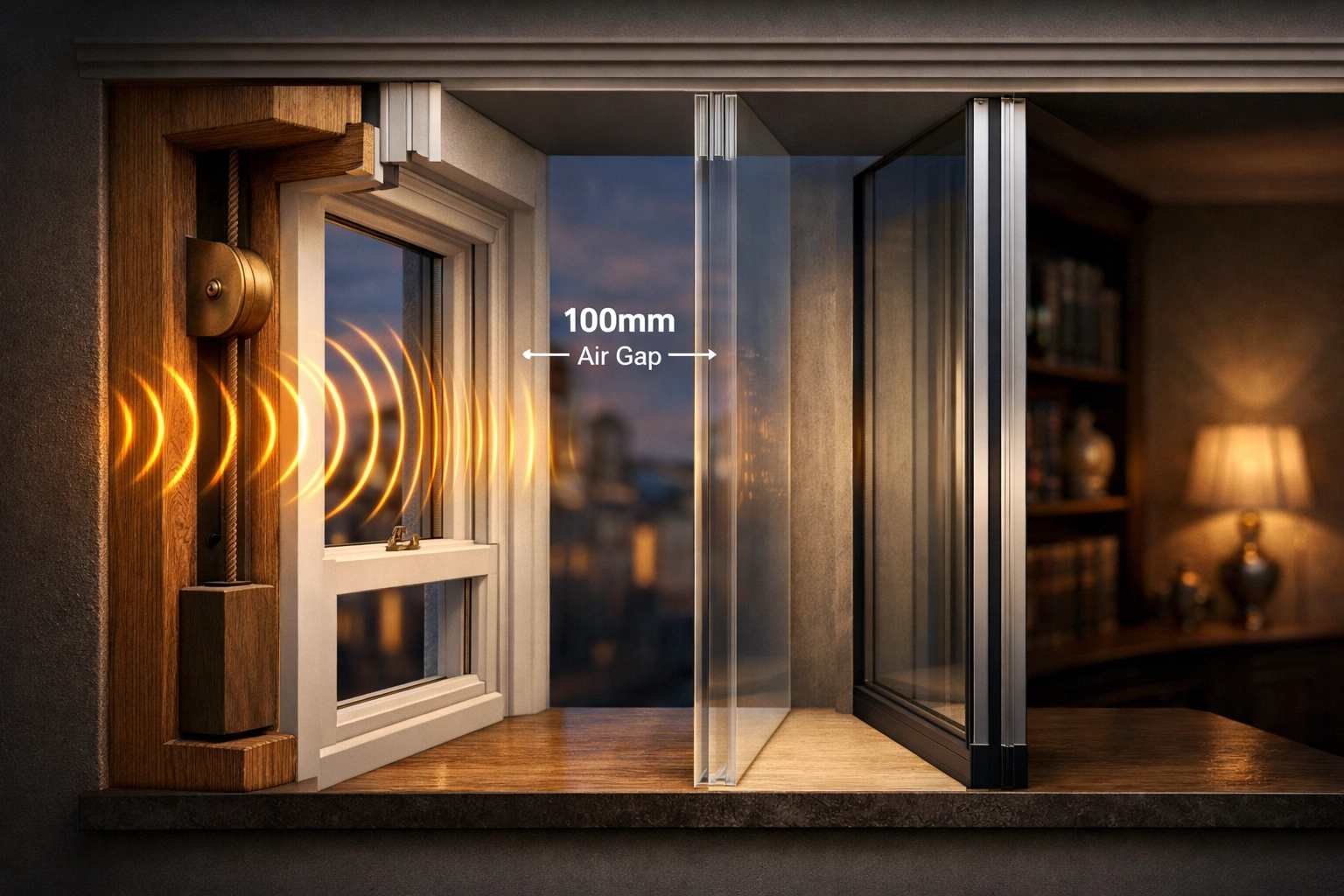
Secondary glazing works differently. Instead of replacing your window, we install a discreet, high-performance internal window behind your existing one. This creates a massive air gap, often 100mm or more.
Why does this matter? Because a 100mm air gap acts as a “buffer zone” that decouples the two layers of glass. In a double-glazed unit, the two panes are so close together that they can actually vibrate in sympathy with each other, passing the sound through like a drum skin. With secondary glazing, the sound wave hits the first pane, loses energy in that wide air gap, and is then blocked again by the second pane.
The result? While double glazing might reduce noise by about 25–30 decibels, a professional secondary glazing installation can achieve a reduction of 50 decibels or more. In human terms, that’s the difference between hearing a conversation clearly and barely knowing it’s happening.
The Premium Choice: 10.8mm Acoustic Laminate
If you are serious about silencing the street, you shouldn’t just settle for standard glass. We often recommend 10.8mm acoustic laminate glass for our high-end London projects.
Standard glass is rigid. Acoustic laminate glass, however, is made of two layers of glass sandwiched around a special PVB (polyvinyl butyral) interlayer. This interlayer acts as a dampening core. Think of it like a sponge that soaks up sound vibrations.
When you combine a 100mm air gap with 10.8mm acoustic laminate glass, you aren’t just “reducing” noise; you are essentially building a soundproof barrier. This is the same technology used in recording studios and luxury hotels near airports. For a master bedroom overlooking a busy London A-road, it is a total game-changer. Read our full technical breakdown of why 10.8mm acoustic laminate is the gold standard.
The Verdict
For most London period properties, secondary glazing offers the best balance of noise reduction, thermal performance, heritage preservation, and value. It's not a compromise—it's often the superior solution.
If you're unsure which option suits your property, request a free survey from our heritage glazing specialists. We'll assess your specific situation and provide honest advice—even if that means recommending double glazing for your particular circumstances.
Call 020 7060 1572 to discuss your options with an expert.
Sources & References
The information in this article is supported by the following sources. We strive to provide accurate, well-researched content for our readers.
- 1Website
Glazing Performance Standards and Specifications. Glass and Glazing Federation. Accessed February 2026.
- 2Report
U-values and Thermal Performance of Windows. Building Research Establishment (2020).
- 3Government
London Traffic Noise Mapping. Transport for London (2023).