Heathrow Flight Path Noise: Window Solutions for Affected Homes
Dr Sarah Chen
Building Physics Consultant

Every 90 seconds during peak hours, another aircraft passes over West London on its approach to Heathrow. For the estimated 725,000 people living under the flight paths, this constant overhead traffic creates a noise challenge that standard windows simply cannot address.
If you live in Hounslow, Richmond, Kew, Chiswick, Hammersmith, or any of the areas beneath Heathrow's approach and departure routes, you'll know exactly what we mean. The good news? Specialist acoustic glazing can transform your home from a noise hotspot into a peaceful retreat.
Understanding Aircraft Noise
Aircraft noise is particularly challenging to block because of its characteristics:
- Low frequency dominance: Jet engines produce powerful low-frequency sound that penetrates standard glazing
- High peak levels: Individual aircraft can reach 75-85dB at ground level
- Repetitive pattern: Regular overflights prevent adaptation
- Duration: Each aircraft event lasts 20-40 seconds
Standard double glazing, designed primarily for thermal insulation, typically reduces noise by 25-32dB. Against aircraft noise peaks of 80dB+, this still leaves internal levels of 50dB or more—equivalent to a loud conversation and far above WHO recommendations for healthy living.
Why Secondary Glazing Outperforms Double Glazing for Aircraft Noise
The physics is straightforward: sound reduction improves with the size of the air gap between glass layers. Double glazing's 16-20mm gap is simply too small to significantly attenuate low-frequency aircraft noise. That is why our acoustic secondary glazing uses a cavity of 100mm or more.
Secondary glazing creates a gap of 100mm or more between your existing window and the new inner unit. This larger cavity is dramatically more effective:
| Glazing Type | Air Gap | Aircraft Noise Reduction |
|---|---|---|
| Single glazing | N/A | 20-24dB |
| Standard double glazing | 16-20mm | 25-32dB |
| Acoustic double glazing | 16-20mm | 32-38dB |
| Secondary glazing (6mm) | 100mm+ | 38-42dB |
| Secondary glazing (10.8mm acoustic) | 100mm+ | 48-54dB |
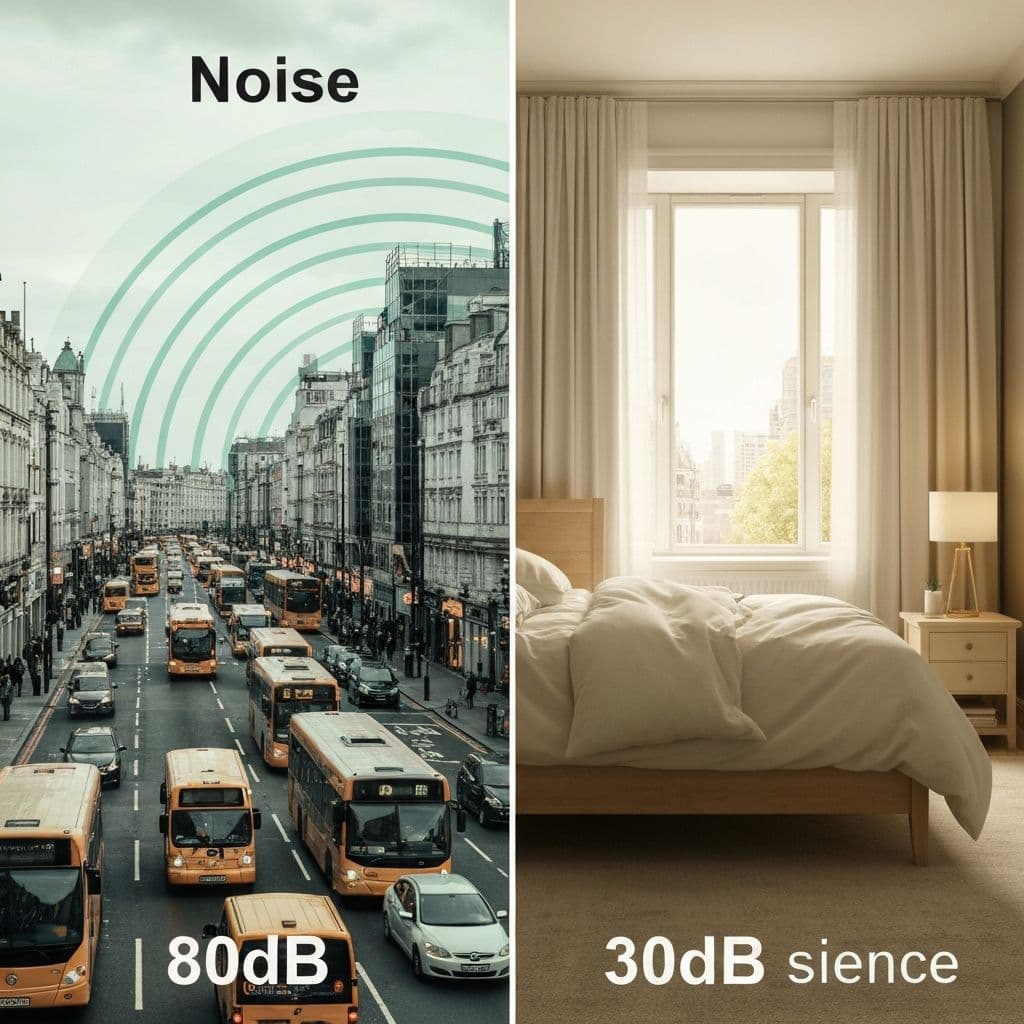
The difference between 32dB and 54dB reduction is enormous. Every 10dB represents a perceived halving of volume. With premium acoustic secondary glazing, an 80dB aircraft overflight becomes a barely-noticeable 26dB whisper indoors.
The Heathrow Noise Insulation Scheme
Heathrow Airport operates a noise insulation scheme for the most affected properties. If you live within the scheme's boundary, you may be eligible for:
- Free or subsidised acoustic glazing
- Loft insulation
- Ventilation systems
However, the scheme has limitations:
- Geographic restrictions: Only properties within defined contours qualify
- Specification limits: The provided glazing may not achieve maximum possible reduction
- Waiting lists: High demand means long delays
- Aesthetic constraints: Standard units may not suit period properties
Many homeowners choose to install their own higher-specification secondary glazing rather than wait for scheme assistance or accept standard-grade products.
Flight Path Areas We Serve
We have extensive experience installing acoustic secondary glazing in properties beneath Heathrow's flight paths, including:
Western Approach
- Windsor and Eton
- Datchet and Wraysbury
- Staines and Stanwell
Eastern Approach
- Hounslow and Isleworth
- Richmond, Kew, and Mortlake
- Chiswick, Hammersmith, and Fulham
- Kensington and Chelsea
- Westminster and Central London
Departure Routes
- Twickenham and Teddington
- Kingston and Surbiton
- Putney and Wandsworth
Specification for Maximum Aircraft Noise Reduction
For homes directly under flight paths, we recommend:
Glass Specification
10.8mm acoustic laminate (6mm glass + 0.76mm acoustic PVB + 4mm glass)
The laminated construction with acoustic interlayer specifically targets the low frequencies that characterise aircraft noise. Standard float glass, even at greater thickness, cannot match its performance.
Air Gap
Minimum 150mm where reveal depth permits. Larger gaps provide better low-frequency attenuation. For shallow reveals, we can sometimes achieve effective gaps using angled installations.
Sealing
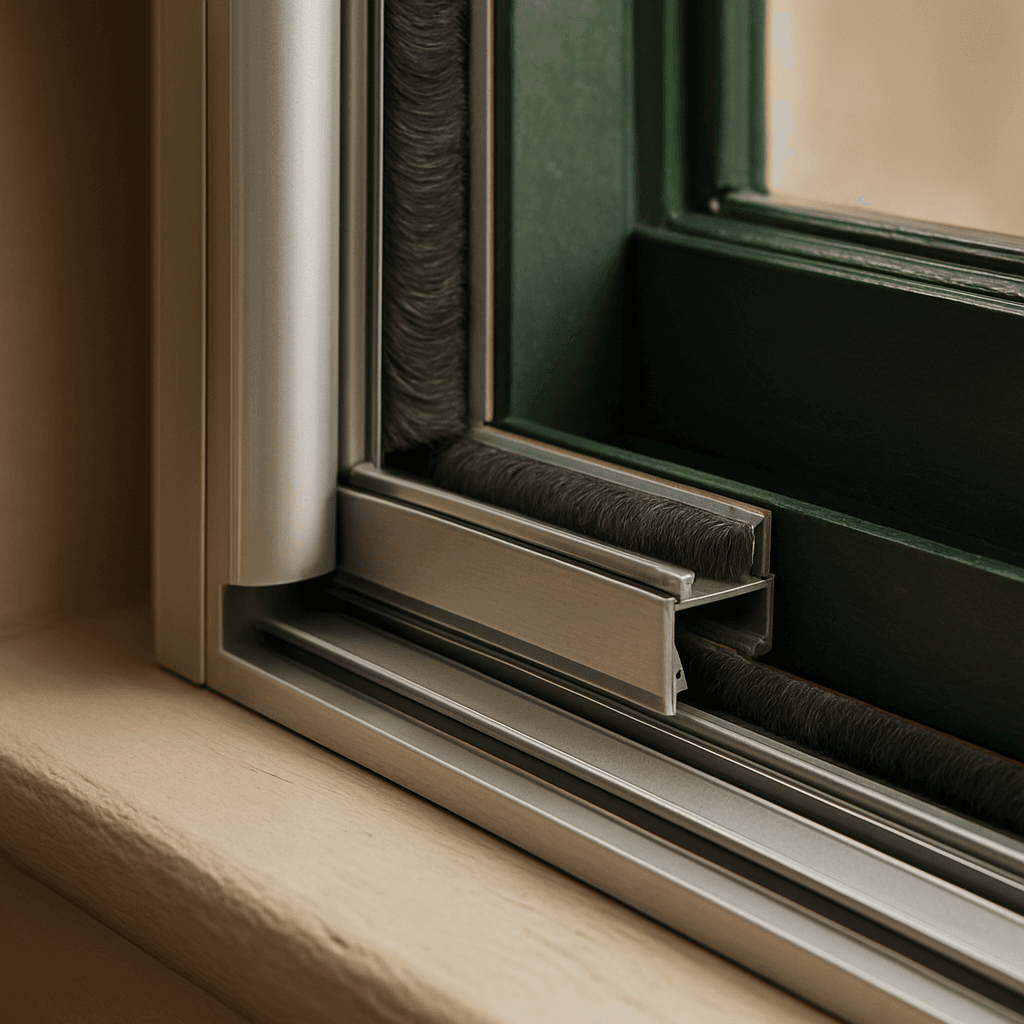
Acoustic performance depends entirely on creating an airtight seal. Even small gaps can significantly reduce effectiveness. We use compression seals, brush seals, and acoustic-grade sealants throughout.
Frame Specification
Heavy-duty aluminium frames with thermal breaks. The frame must support the weight of acoustic glass (10.8mm laminate weighs approximately 27kg/m²) without flexing or compromising seals.
Real Results Under Flight Paths
Recent installation in Richmond (directly under eastern approach):
- External aircraft noise: 78-82dB
- Before secondary glazing: 52-56dB internal
- After secondary glazing: 24-28dB internal
- Reduction achieved: 52dB
The homeowner reported: "For the first time in fifteen years, we can't hear the planes from inside the house. We can finally sleep with the windows effectively 'closed' to noise while still being able to open the secondary glazing for ventilation when we want fresh air."
Ventilation Considerations
Effective acoustic glazing creates an airtight seal—which raises ventilation questions. Options include:
- Opening secondary glazing: Sliding or hinged units that can be opened for ventilation during quieter periods (late evening, early morning)
- Acoustic trickle vents: Specialised ventilators that allow airflow while attenuating sound
- MVHR systems: Mechanical ventilation with heat recovery provides constant fresh air without opening windows
We'll assess your specific situation and recommend the appropriate ventilation strategy.
Listed Buildings and Conservation Areas
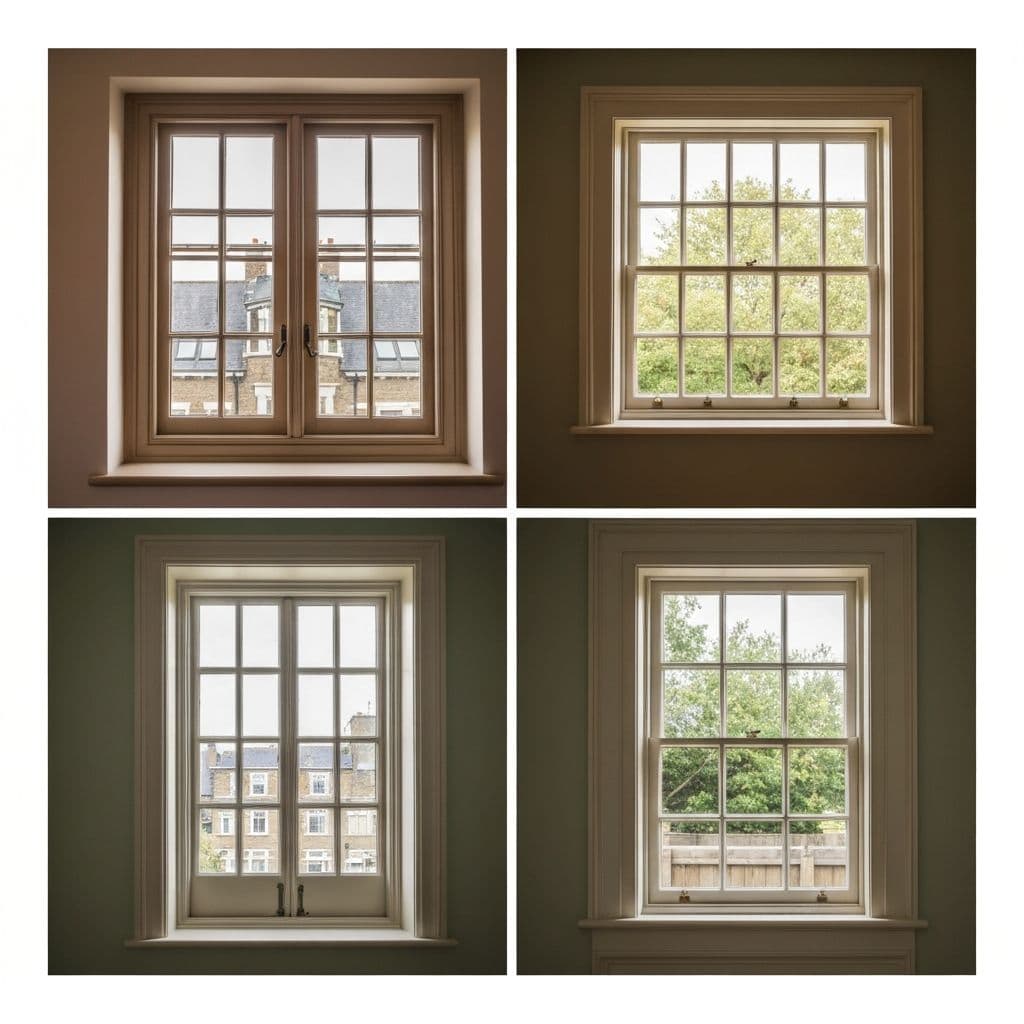
Many properties under flight paths—particularly in Richmond, Kew, and Chiswick—are listed or in conservation areas. Secondary glazing is ideal for these situations:
- Internal installation doesn't affect external appearance
- Original windows are preserved intact
- No Listed Building Consent typically required
- Fully reversible if ever needed
Investment and Returns
For a typical 4-bedroom house under a flight path:
- Full acoustic secondary glazing: £12,000-£20,000
- Property value impact: Noise-affected properties typically sell at 5-15% discount; effective noise mitigation can recover much of this
- Quality of life: Priceless
Getting Started
If aircraft noise is affecting your home, request a free acoustic survey. We'll measure your current noise exposure, assess your windows, and provide a detailed specification and quotation.
Call 020 7060 1572 to speak with an acoustic glazing specialist who understands the specific challenges of Heathrow flight path noise.