Noise Reduction WindowsUp to 80% Quieter with Acoustic Glazing
If traffic, trains or aircraft are stealing your peace, acoustic secondary glazing is the most effective fix. A wide air gap and laminate glass cut perceived noise by up to 80% — without replacing your existing windows.
The Right Specification for Your Noise
Different noise sources need different solutions. Low-frequency rumble from trains behaves very differently to the broadband roar of aircraft, so we match the air gap and glass to your specific problem. Here is how we approach the most common sources:
| Noise source | Recommended solution |
|---|---|
| Road & traffic noise | 100–150mm air gap with 6.4mm acoustic laminate — ideal for busy streets and A-roads. |
| Railway & Underground | Wide gap plus 10.8mm laminate to absorb low-frequency rumble and vibration. |
| Aircraft & flight paths | Maximum gap with heavy laminate glass for the broadband roar of overflights. |
| Pubs, clubs & people | Sealed units that block voices and music late into the night. |
How Acoustic Secondary Glazing Works
- The air gap does the heavy lifting. A 100–200mm gap decouples the panes so vibration can't pass straight through — far wider than double glazing's 16–20mm.
- Acoustic laminate glass. A PVB interlayer absorbs sound energy — read why 10.8mm acoustic laminate is the gold standard.
- Airtight seals. Noise leaks through gaps, so high-performance compression seals are essential. See our complete soundproofing guide.
- Specific noise problems. We have detailed guidance on Heathrow flight-path noise and Tube and Underground vibration.
What the Decibel Numbers Really Mean
Noise reduction is measured in decibels (dB), but the scale is not linear — it is logarithmic. A reduction of just 10dB is perceived by the human ear as roughly halving the loudness. A single-glazed window typically blocks only around 25dB, which is why traffic feels like it is in the room. A well-designed acoustic secondary glazing system with 10.8mm acoustic laminate glass and a wide air gap can achieve up to 54dB of reduction.
In practice that is the difference between a busy A-road being intrusive and being a faint background hush. For homes beside railways, flight paths or nightlife, that extra 20–30dB over the original window is genuinely life-changing for sleep and concentration.
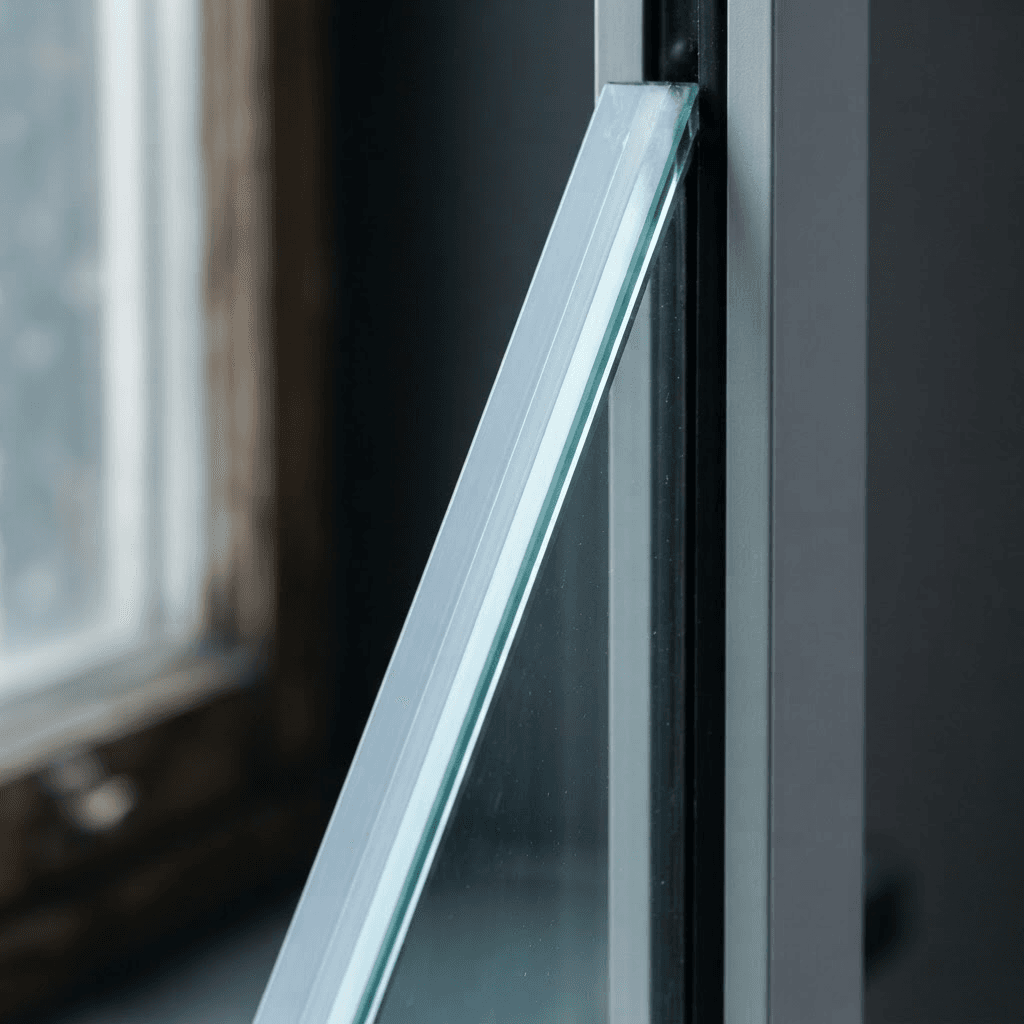
Glass Options and Why Secondary Beats Double Glazing
The glass specification is chosen to match your noise problem and budget:
- 4mm toughened. A solid entry point that transforms a leaky single-glazed window and prioritises thermal gains.
- 6mm toughened. Extra mass adds a few more decibels — the value “sweet spot” for quieter residential streets.
- 6.4mm and 10.8mm acoustic laminate. A specialist PVB interlayer damps the vibration that ordinary glass lets through — the gold standard for A-roads, railways and flight paths.
This is also why secondary glazing outperforms replacement double glazing for sound. Double glazing's two panes sit only 16–20mm apart and are rigidly sealed together, so they vibrate almost as one. Secondary glazing places a completely independent pane 100–200mm away from the original, and that wide, decoupled air gap is the single most important factor in stopping low-frequency noise. Every system is bespoke-made, professionally installed, and starts with a free acoustic survey.
Where It Makes the Biggest Difference
You do not have to treat every window in the house at once. Most clients start with the rooms where noise costs them the most: street-facing bedrooms, nurseries where a passing siren undoes an hour of settling, and home offices where concentration matters. Treating two or three key rooms first is a perfectly sensible way to spread the investment, and because each unit is made to measure you can extend the system later without anything looking mismatched.
We are also honest about expectations. No window delivers absolute silence, and anyone promising it is overselling. What acoustic secondary glazing reliably does is remove the intrusive edge — the individual bus, the shout at closing time, the 6am delivery — so the remaining sound sits below the threshold that wakes you or breaks your focus.
Compare options in our secondary glazing vs double glazing guide, see costs, or return to our complete guide to secondary glazing. We install noise-reducing secondary glazing across London and every borough we serve.
Noise Reduction Windows: FAQs
Common questions about acoustic secondary glazing and how much noise it removes.
What Our Clients Say
Rated 4.9 out of 5 across 127 reviews from London homeowners.
"Exceptional service from start to finish. The noise reduction in our Kensington townhouse is remarkable — we no longer hear the constant traffic on the high street, even in the front bedrooms."
"Specialists who truly understand listed buildings. They handled our Grade II* property with real expertise and managed the conservation paperwork so we didn't have to worry about a thing."
"Our Georgian sash windows were draughty and freezing every winter. The secondary glazing has transformed the house — warmer rooms, lower heating bills, and the original windows look untouched."
"From survey to installation the team was professional and tidy. The fit is so discreet that visitors don't even notice the secondary glazing is there. Sleep has never been better."
"We live near a busy junction and the difference is night and day. The acoustic glass they recommended cut the noise dramatically. Worth every penny for the peace and quiet."
"Honest advice, fair pricing, and beautiful craftsmanship. They talked us through every option without any pressure. I would recommend them to anyone with a period property."
Reclaim the Quiet
Tell us what noise is bothering you and we'll recommend the exact specification at a free survey, with a clear, no-obligation quote.
From the Journal
Noise Problems, Solved
Real-world acoustic scenarios we are asked about most: comparing acoustic glass, sleeping through daytime noise, and living above a busy pub or restaurant.
- Acoustic ScienceHow to Choose the Best Acoustic Glass for Secondary Glazing (Compared)4mm, 6mm or acoustic laminate? We break down decibels, PVB interlayers and air gaps so you can pick the right glass.5 min read
- Acoustic ScienceSleeping During the Day: Window Solutions for Night Shift WorkersNight shift workers need quality daytime sleep. Discover how acoustic glazing can block traffic, construction and neighbourhood noise for better rest.10 min read
- Acoustic ScienceLiving Above a Pub or Restaurant: Noise Solutions for FlatsFlat above a pub, bar or restaurant? Learn how to reduce music, kitchen extraction and late-night noise with specialist acoustic glazing.9 min read
- Acoustic ScienceHome Office Soundproofing: Create a Quiet WFH SpaceWorking from home but struggling with street noise? Learn how secondary glazing can transform your home office into a productive, distraction-free workspace.9 min read