Home Office Soundproofing: Create a Quiet WFH Space
Dr Sarah Chen
Building Physics Consultant

The shift to remote and hybrid working has transformed how millions of us use our homes. What was once a spare bedroom or corner of the living room is now a full-time office—and the noise that was merely annoying on weekends has become a daily productivity killer.
If traffic, construction, neighbours, or urban bustle is disrupting your work-from-home concentration, your windows are likely the weakest link. Here's how to create a genuinely quiet home office.
The Productivity Cost of Noise
Research consistently shows that noise impairs cognitive performance:
- Concentration: Background noise above 50dB significantly reduces focus on complex tasks
- Error rates: Studies show 30-40% more mistakes in noisy environments
- Stress hormones: Chronic noise exposure elevates cortisol levels
- Video calls: Background noise affects both your concentration and your professional image
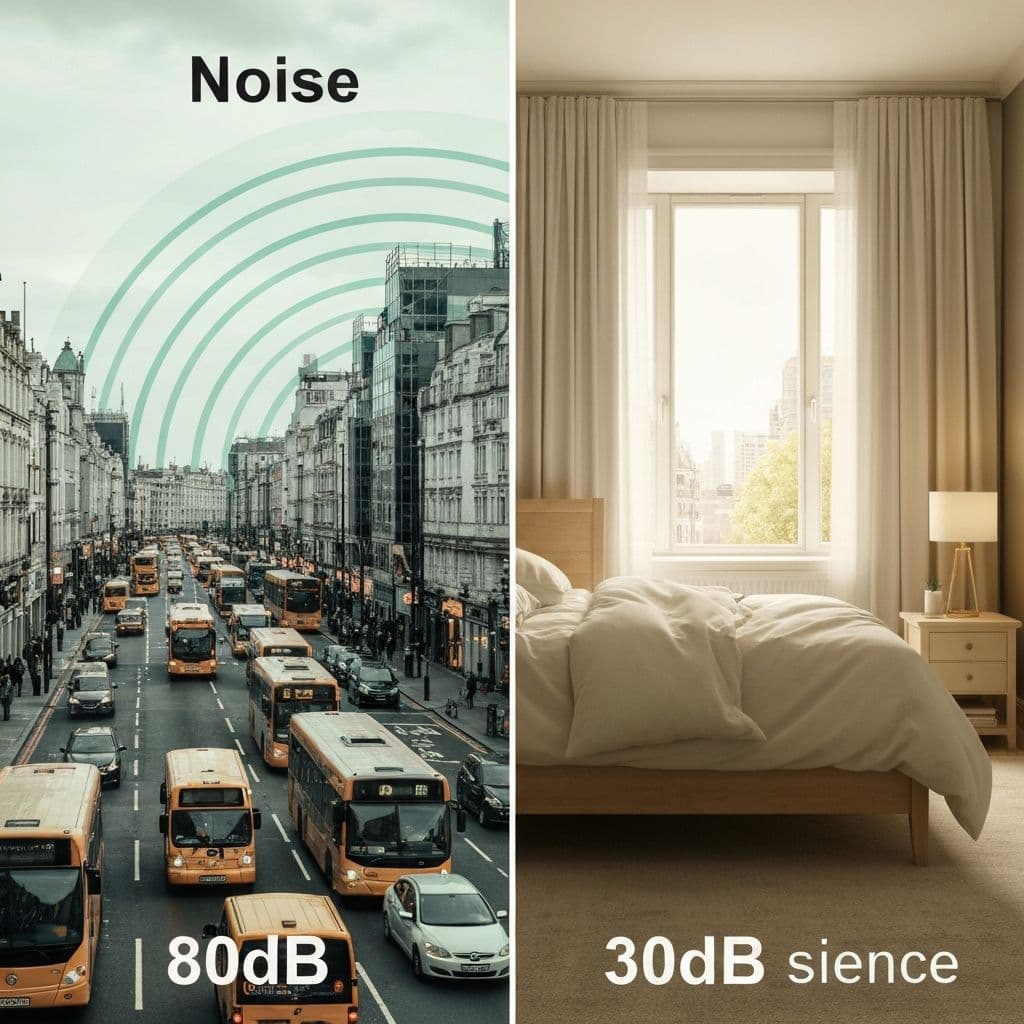
A busy London street typically generates 70-80dB. Through standard single-glazed windows, you might experience 50-60dB inside—well above the threshold for comfortable concentrated work.
Why Windows Are the Problem
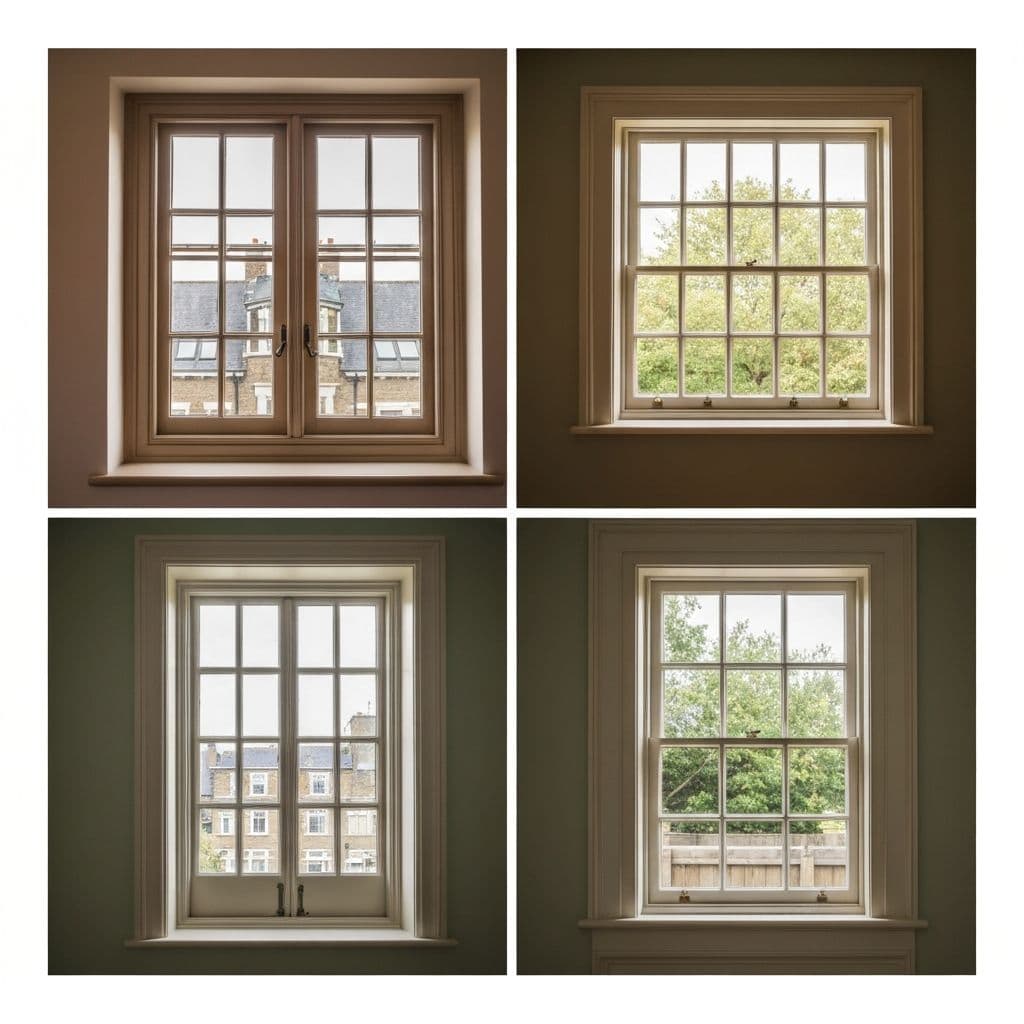
In a typical Victorian or Edwardian home, the walls might provide 45-50dB of sound insulation. The floor and ceiling perhaps 40-45dB. But single-glazed windows? Often just 20-25dB.
Sound, like water, finds the path of least resistance. Even if your walls are excellent, noise pours through the acoustic weak point: your windows.
The Home Office Solution
For a home office, you don't necessarily need to treat every window in the house—just the room where you work. This makes the investment manageable while delivering transformative results.
Typical Home Office Scenario
- One or two windows facing the street
- External noise: 70-75dB (busy road)
- Current internal noise: 50-55dB
- Target internal noise: 30-35dB (quiet office standard)
- Required reduction: 20-25dB additional
Recommended Specification
For home office use, we typically recommend:
- Glass: 6.8mm acoustic laminate (good balance of performance and cost)
- Air gap: 100mm minimum
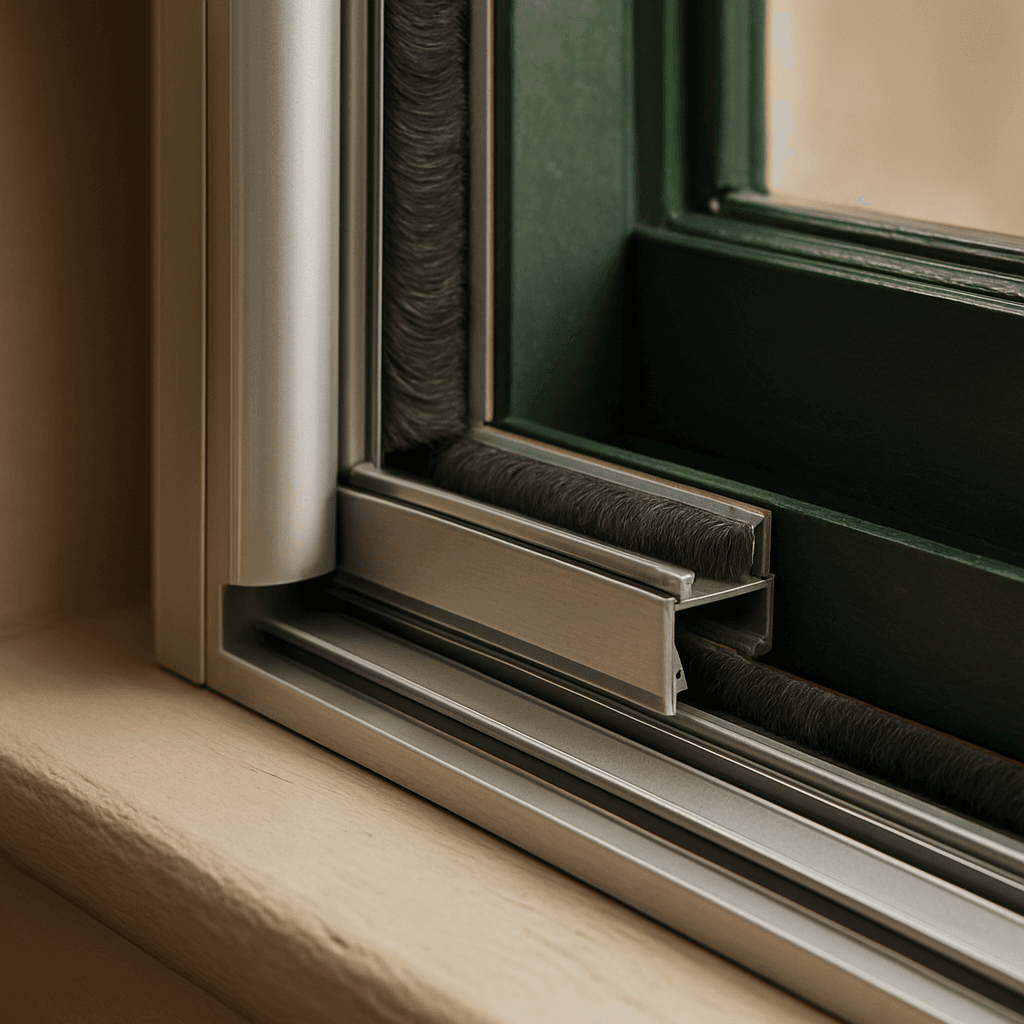
- Frame: Slim aluminium with full perimeter seals
- Opening: Hinged or sliding for ventilation between calls
This specification typically achieves 40-45dB reduction, bringing a 75dB street down to 30-35dB inside—equivalent to a quiet library.
Video Call Considerations
Beyond your own concentration, background noise affects how colleagues and clients perceive you on video calls:
- Traffic and sirens suggest an unprofessional environment
- Noise forces you to mute frequently, disrupting conversation flow
- AI noise cancellation helps but can create unnatural audio
With properly treated windows, you can leave your microphone unmuted without background interference—a small thing that significantly improves remote meeting quality.
Ventilation Balance
Effective sound insulation requires sealed windows, but you also need fresh air for alertness and comfort. Options include:
Opening Secondary Glazing
Hinged or sliding secondary panels that you can open for ventilation during breaks or after calls. This is our most popular option for home offices—maximum noise reduction when closed, full ventilation when open. More on the specification in our guide to secondary glazing for noise reduction.
Acoustic Trickle Vents
Specialised ventilators that allow airflow while attenuating sound. These provide continuous background ventilation without significantly compromising acoustic performance.
Scheduled Ventilation
Many home workers find a pattern works well: windows sealed during focused work and calls, opened during breaks and lunch. Secondary glazing makes this practical—you control when to prioritise quiet versus fresh air.
Single Room vs Whole House
For pure home office purposes, treating just the office often makes sense:
Office-Only Treatment
- Lower cost (typically £1,500-£3,000)
- Faster installation (half day)
- Immediate productivity benefit
- Can extend to other rooms later if desired
Whole House Treatment
- Higher cost but better per-window value
- Benefits throughout the home
- Thermal savings across the property
- More comprehensive solution
Many clients start with the home office, experience the transformation, and then extend to bedrooms and living areas.
Tax and Business Considerations
If you're self-employed or run a business from home, home office improvements may have tax implications:
- Self-employed: Proportion of home improvement costs may be allowable against tax
- Limited company: May be able to claim through the business if office is dedicated workspace
- Employed WFH: Generally not tax-deductible but check current HMRC guidance
Consult your accountant for advice specific to your situation.
Installation Practicalities
Home office secondary glazing installation is minimally disruptive:
- Duration: 2-4 hours for typical single or double window
- Mess: Minimal—small amount of drilling dust, easily contained
- Access: All work from inside, no scaffolding needed
- Work disruption: You may need to relocate for the installation morning, but can work normally that afternoon
Real Results
Recent installation in Islington (front-facing home office):
- External noise: 72dB (bus route)
- Before: 52dB internal, frequent call interruptions
- After: 29dB internal
- Client feedback: "It's like working in a proper office now. I can actually concentrate."
Getting Started
If noise is undermining your work-from-home productivity, request a free survey of your home office. We'll measure your current noise exposure and recommend the most cost-effective solution.
Call 020 7060 1572 to discuss your home office requirements.