Living Above a Pub or Restaurant: Noise Solutions for Flats
Dr Sarah Chen
Building Physics Consultant

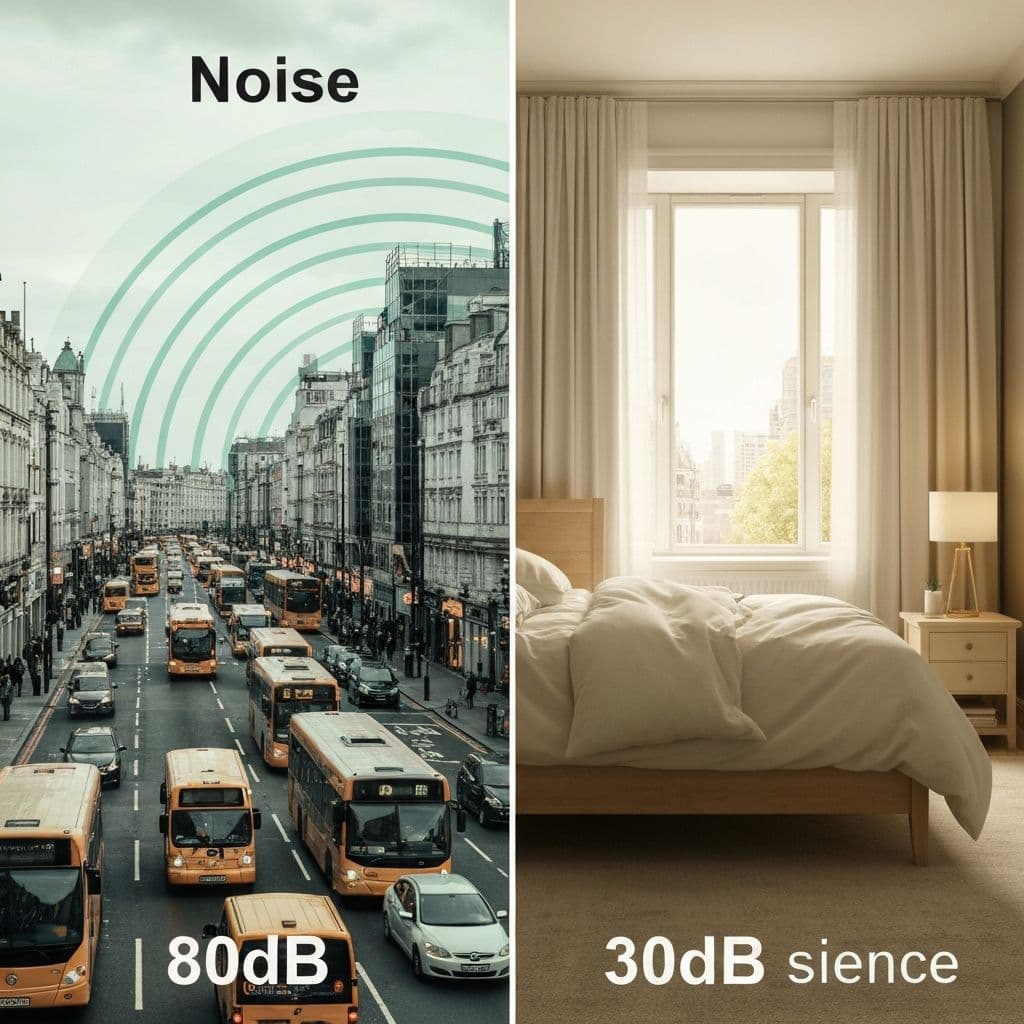
London's mixed-use buildings create vibrant neighbourhoods—but also challenging living situations. If your flat sits above a pub, bar, restaurant, or late-night venue, you're likely familiar with thumping bass, kitchen extraction noise, delivery clatter, and the sounds of patrons arriving and departing.
While structure-borne noise (vibration through the building) requires different treatments, much commercial noise travels through windows—and that's where secondary glazing for noise reduction can make a significant difference.
Understanding Commercial Venue Noise
Living above hospitality venues exposes you to several distinct noise types:
Music and Entertainment
- Bass frequencies from sound systems
- Live music and DJ sets
- Television sports events
- Karaoke nights
Operational Noise
- Kitchen extraction fans (often running until late)
- Glass collection and bottle disposal
- Delivery vehicles and loading
- Refrigeration units
Patron Noise
- Outdoor smoking/drinking areas
- Arrival and departure conversations
- Taxi and rideshare pickups
- Post-closing dispersal
What Windows Can and Cannot Address
Important to set realistic expectations:
Windows CAN Help With:
- Airborne noise from street level (patrons, taxis, deliveries)
- Sound escaping from venue through their windows/doors
- Outdoor area noise
- Kitchen extraction positioned externally
- General late-night urban noise
Windows Have LIMITED Effect On:
- Bass vibration transmitted through the building structure
- Noise coming through your floor from the venue below
- Vibration from extraction equipment mounted on shared walls
For flats directly above venues, windows typically address 40-60% of the noise problem. The remainder requires floor treatments, which we can advise on separately.
Specification for Hospitality Noise
Commercial venue noise often includes strong bass components. Effective treatment requires:
Maximum Air Gap
Low frequencies need larger air gaps. We recommend 150mm+ where reveal depth permits—significantly better than standard secondary glazing for bass reduction.
Heavy Acoustic Glass
10.8mm acoustic laminate with specialised PVB interlayer targeting low frequencies. This glass is specifically engineered for music and entertainment noise.
Exceptional Sealing
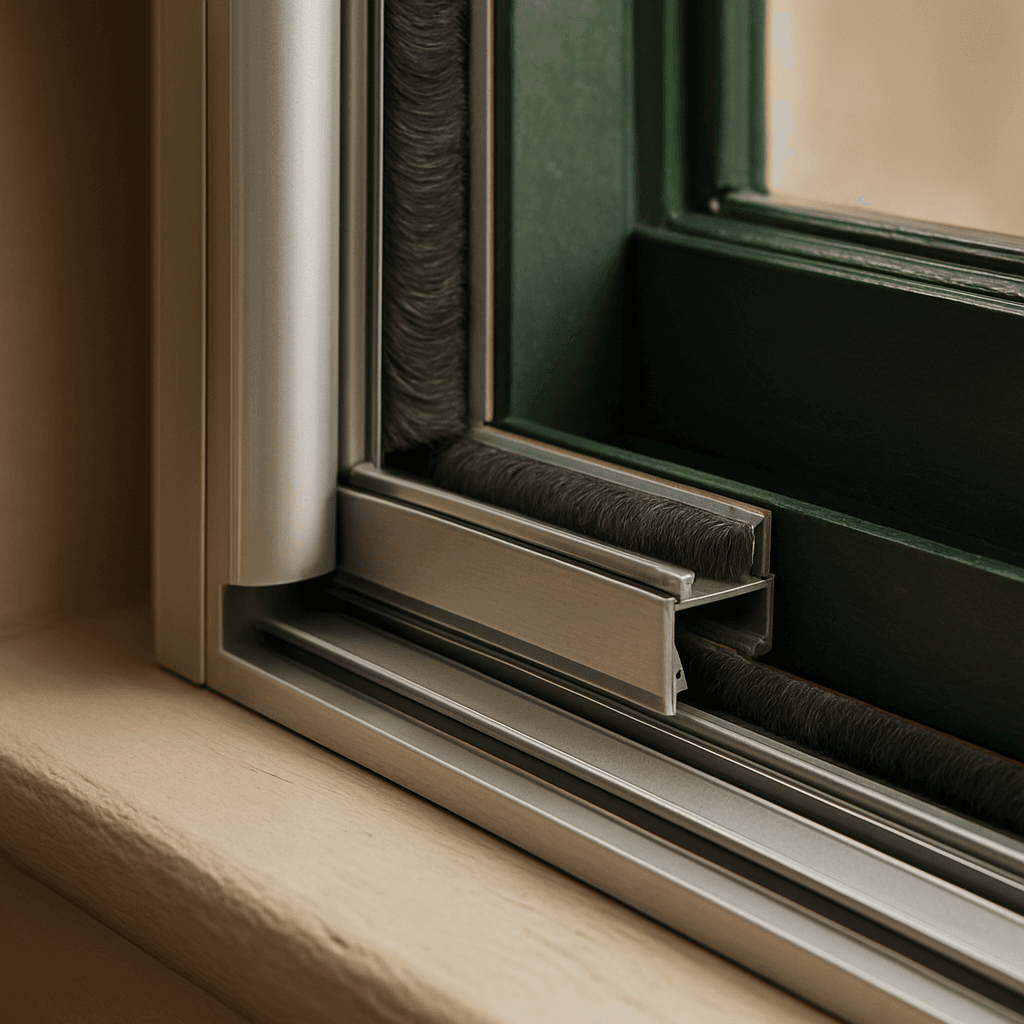
Bass frequencies find any gap. We use compression seals, acoustic-grade sealants, and careful attention to every junction.
Typical Results
| Noise Source | Without Treatment | With Premium Secondary Glazing |
|---|---|---|
| Street-level patron noise | 60-70dB | 25-35dB |
| Music (airborne component) | 55-65dB | 25-35dB |
| Delivery/glass collection | 70-80dB | 35-45dB |
| Kitchen extraction | 50-60dB | 20-30dB |
Results for structure-borne bass will be more modest—reducing the edge but not eliminating it entirely.
Legal Context
Understanding your legal position helps when discussing noise with venues and landlords:
Licensing Conditions
Most licensed premises have conditions limiting noise escape. If you can demonstrate excessive noise, environmental health officers can require the venue to implement mitigation.
Statutory Nuisance
Persistent noise that significantly affects your ability to use your home may constitute statutory nuisance. Local authorities have powers to require abatement.
Lease Provisions
Your lease may contain provisions about noise or quiet enjoyment. Freeholders have obligations to manage the building appropriately.
However...
Legal remedies are slow, uncertain, and can damage relationships. Many residents find that improving their own flat's sound insulation—while not "fair"—is the pragmatic solution that actually delivers results.
Working With Your Building
If you're a leaseholder, check whether:
- The freeholder is already aware of noise issues
- Other residents have made complaints or improvements
- There are building-wide discussions about noise mitigation
- The venue has been required to implement any soundproofing
Sometimes coordinated action—multiple residents approaching the freeholder together—achieves better outcomes than individual efforts.
Complementary Treatments
For flats directly above venues, secondary glazing works best as part of a broader strategy:
Floor Treatment
Acoustic underlay and floating floor systems can reduce structure-borne noise by 15-25dB. Combine with secondary glazing for comprehensive improvement.
Ceiling Treatment
Suspended acoustic ceilings break the direct path for sound transmission from below.
Layout Considerations
If possible, use rooms above the venue for less noise-sensitive purposes (storage, bathroom) and bedrooms at the far end of the flat.
Cost Considerations
For a typical 2-bedroom flat above a pub:
- Street-facing windows only: £3,000-£5,000
- All external windows: £5,000-£8,000
- Windows + floor treatment: £8,000-£15,000
We recommend starting with windows (the quickest win) and assessing whether additional treatment is needed once you've experienced the improvement.
Before You Buy Above a Venue
If you're considering purchasing a flat above commercial premises:
- Visit at different times—especially Friday and Saturday evenings
- Ask current residents about noise levels
- Check the venue's licensing hours and conditions
- Factor improvement costs into your purchase calculations
- Understand that some noise is inherent to the location
With proper treatment, many flats above venues are perfectly liveable. But go in with realistic expectations.
Getting Expert Advice
Flats above commercial venues require careful assessment—the noise sources are complex and the solutions need to be tailored. If you own or run the venue itself, our commercial secondary glazing service can treat the noise at source, with installation outside trading hours.
Request a survey and we'll evaluate your specific situation, identify which noise sources can be addressed through glazing, and recommend a practical improvement plan.
Call 020 7060 1572 to discuss your flat's noise challenges.