Sleeping During the Day: Window Solutions for Night Shift Workers
Dr Sarah Chen
Building Physics Consultant

If you work nights—whether in the NHS, security, hospitality, transport, or any of the essential services that keep London running around the clock—you know the challenge of daytime sleep. While the world goes about its business, you're trying to rest in a bedroom that was designed for night-time quiet.
Traffic, construction, deliveries, neighbours, gardeners, children playing—the daytime soundscape is relentless. And poor sleep doesn't just affect how you feel; it has serious implications for your health and your ability to work safely.
The Night Shift Sleep Challenge
Daytime sleep is inherently more difficult than night-time sleep:
- Circadian disruption: Your body's natural rhythm promotes wakefulness during daylight
- Higher ambient noise: Daytime is simply louder than night-time
- Light intrusion: Even with blackout blinds, some light usually penetrates
- Social expectations: The world doesn't pause for night workers
Research shows night shift workers average 1-4 hours less sleep than day workers. This chronic sleep debt accumulates, affecting health, mood, and cognitive function.
Health Consequences of Poor Sleep
The health impacts of inadequate sleep are well-documented:
- Cardiovascular risk: Night shift workers have 40% higher risk of heart disease
- Metabolic effects: Increased risk of type 2 diabetes and weight gain
- Mental health: Higher rates of depression and anxiety
- Immune function: Reduced resistance to illness
- Cognitive impairment: Slower reactions, poorer decision-making
For workers in safety-critical roles—healthcare, transport, security—impaired alertness isn't just a personal problem; it's a professional and public safety issue.
Why Standard Solutions Fall Short
Earplugs
Earplugs reduce noise by 20-30dB but have drawbacks:
- Uncomfortable for extended wear
- Can cause ear infections with regular use
- May block important sounds (alarms, phone calls)
- Fall out during sleep
White Noise Machines
White noise masks sound rather than eliminating it. It helps some sleepers but:
- Adds to overall sound exposure
- Doesn't help with sudden loud noises (sirens, horns)
- Some people find it irritating
Blackout Blinds Alone
Essential for blocking light, but standard blinds provide minimal sound insulation. Even "acoustic" blinds typically reduce noise by only 5-10dB—not enough to significantly impact sleep quality.
The Window Solution
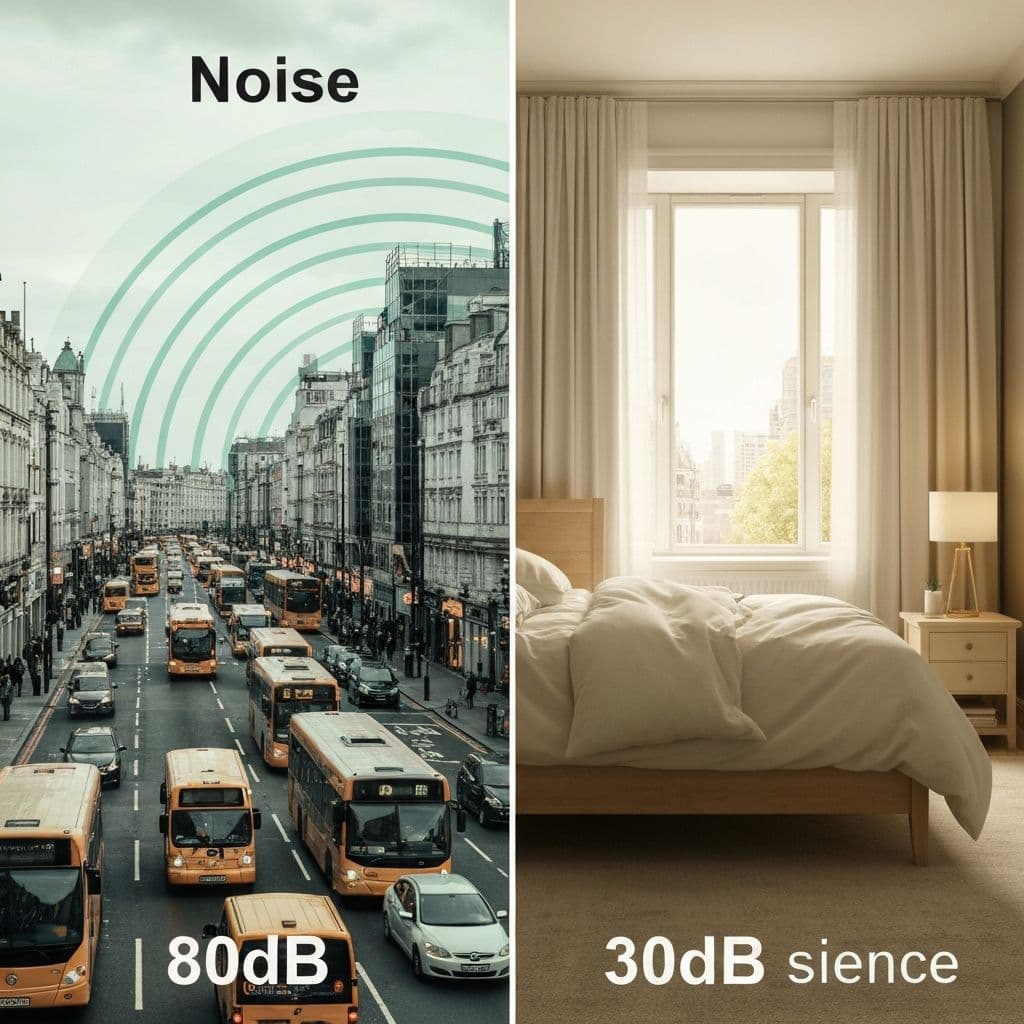
For night shift workers, bedroom windows are often the critical intervention point. Properly specified secondary glazing can reduce daytime noise by 40-54dB—transforming a noisy bedroom into a sleep sanctuary. Our acoustic secondary glazing page covers how we reach those figures.
Recommended Specification for Bedrooms
- Glass: 10.8mm acoustic laminate for maximum low-frequency reduction
- Air gap: 150mm+ where possible (larger gaps = better performance)
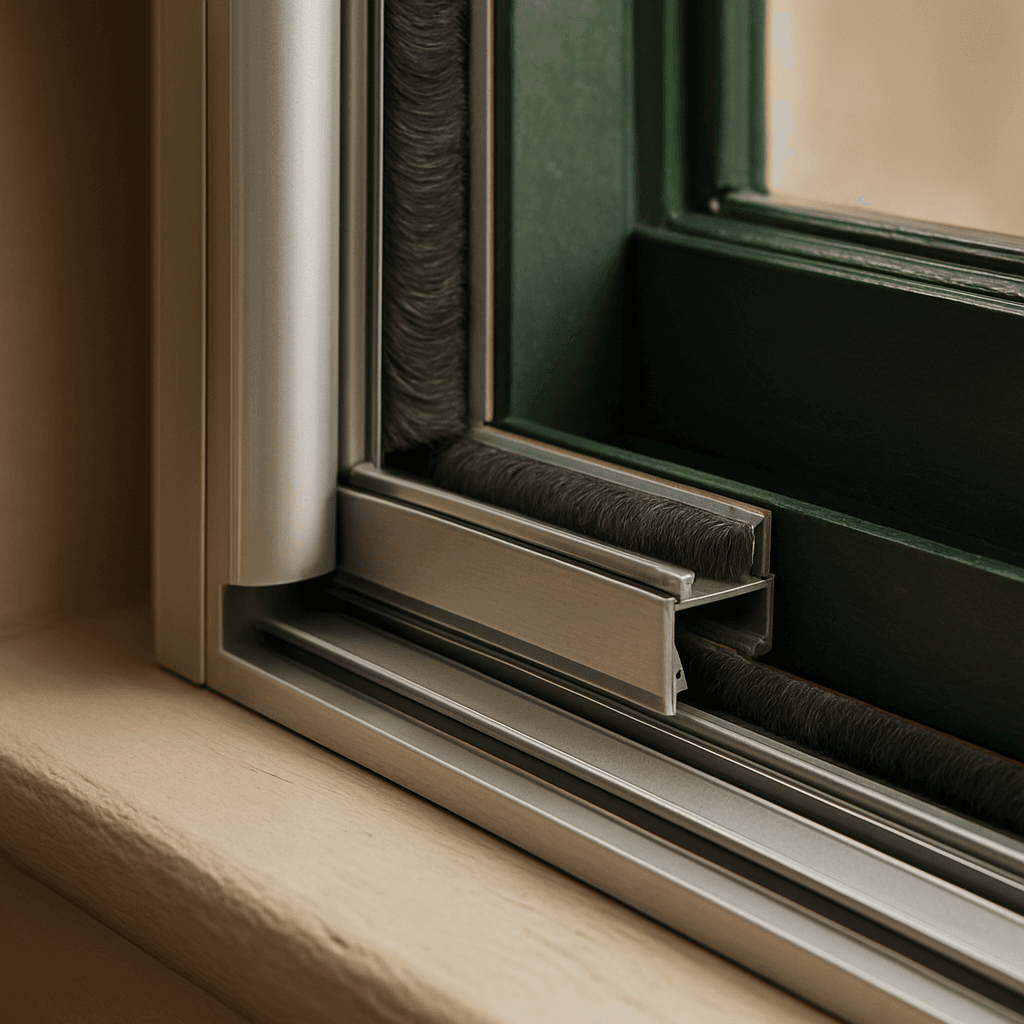
- Sealing: Full perimeter compression seals
- Frame colour: Dark colours reduce light reflection
Expected Results
| Noise Source | Typical External Level | After Secondary Glazing |
|---|---|---|
| Busy road traffic | 70-75dB | 22-30dB |
| Construction work | 80-85dB | 30-38dB |
| Aircraft overhead | 75-82dB | 25-35dB |
| Neighbourhood activity | 55-65dB | 15-25dB |
The WHO recommends bedroom noise below 30dB for quality sleep. With acoustic secondary glazing, this becomes achievable even in noisy urban locations.
Combining with Light Blocking
The air gap created by secondary glazing provides an excellent space for effective blackout solutions:
Integrated Blinds
Blackout blinds fitted between the original window and secondary glazing are completely enclosed—no light gaps at edges, no dust accumulation, clean appearance.
External Blackout
If your original windows have blackout blinds, the secondary glazing adds acoustic performance while the existing blinds handle light blocking.
Frame Design
We can specify secondary glazing frames in dark colours with minimal reflective surfaces, further reducing light intrusion.
Ventilation for Sleep
Fresh air is important for sleep quality, but opening windows defeats the acoustic benefit. Solutions include:
- Pre-sleep ventilation: Open windows to freshen the room before your sleep period, then close for quiet
- Acoustic trickle vents: Allow air exchange while maintaining sound insulation
- Mechanical ventilation: MVHR systems provide fresh air without opening windows
Investment vs Impact
For a typical bedroom (2 windows):
- Secondary glazing cost: £2,000-£4,000
- Installation time: Half day
- Expected lifespan: 25+ years
Compare this to the cumulative cost of:
- Lost productivity from fatigue
- Health impacts of chronic sleep deprivation
- Sick days due to exhaustion
- Ongoing purchases of earplugs, sleep aids, white noise machines
For someone spending years on night shifts, acoustic glazing is an investment in long-term health and wellbeing.
NHS and Employer Schemes
Some NHS trusts and employers recognise the importance of supporting night workers' sleep:
- Occupational health referrals may support sleep environment improvements
- Some employers offer home working allowances that could contribute
- Flexible spending accounts may cover sleep-related improvements
Check with your employer's HR or occupational health department about available support.
Case Study: NHS Nurse, Hackney
A&E nurse working rotating night shifts in a Victorian conversion flat:
- Problem: Bedroom facing busy high street, 72dB daytime noise
- Before: Maximum 4 hours fragmented sleep between shifts
- Solution: Acoustic secondary glazing + integrated blackout blinds
- After: 6-7 hours uninterrupted sleep, internal noise 28dB
- Feedback: "First time in three years I've felt properly rested after night shifts"
Getting Started
If daytime noise is compromising your sleep and health, request a bedroom survey. We'll assess your specific noise exposure and recommend the most effective solution.
Call 020 7060 1572 to discuss your requirements. We understand the challenges of shift work and can often arrange surveys at times that suit your schedule.