Creating a Quiet Nursery: Soundproof Windows for Better Baby Sleep
Penny Hargreaves
Heritage Acoustics Writer

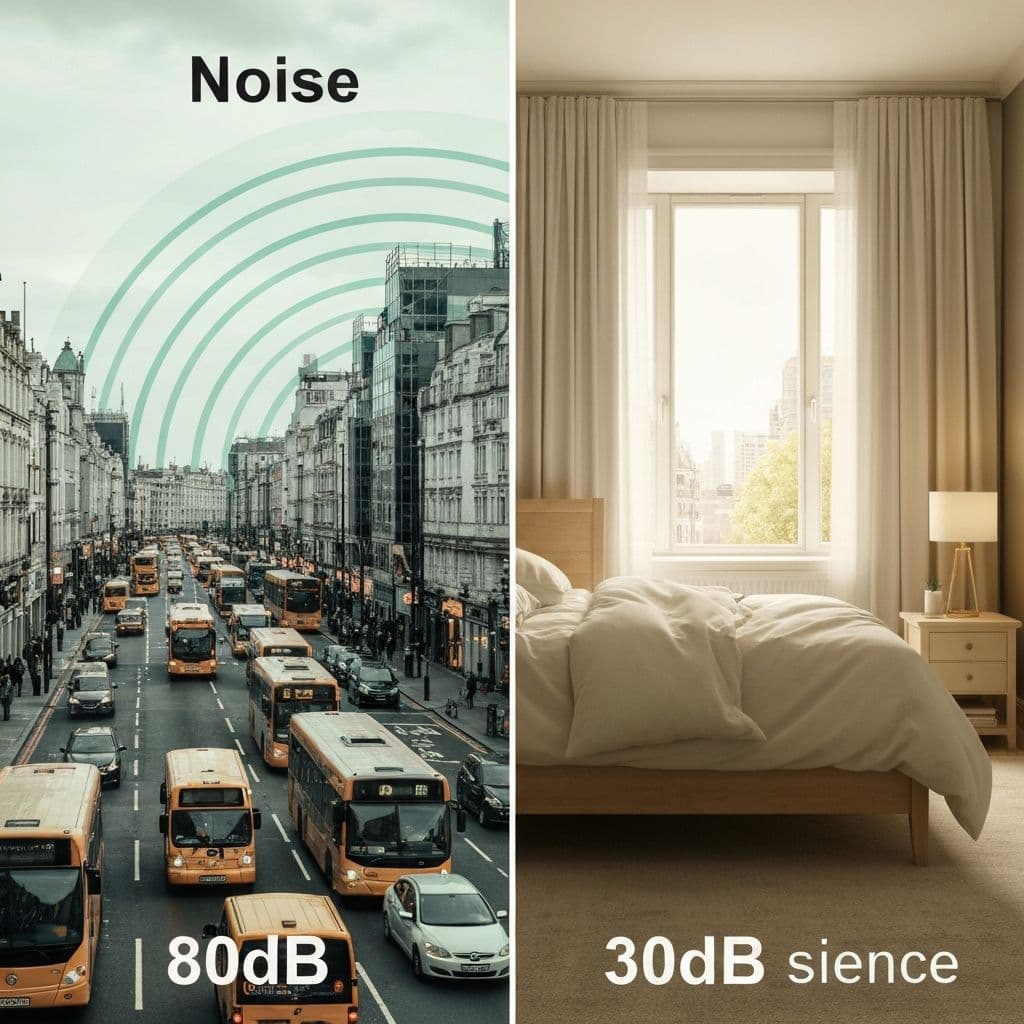
New parents quickly discover that baby sleep is precious—and precarious. Just as your little one drifts off, a siren wails, a lorry rumbles past, or a car alarm triggers. In London's busy streets, creating a quiet nursery isn't just desirable; it's essential for the whole family's wellbeing. Secondary glazing for noise reduction is usually the most effective single change you can make to a nursery window.
Why Nursery Noise Matters
Babies sleep differently from adults, and noise affects them distinctly:
- Lighter sleep cycles: Babies spend more time in light sleep, making them more easily disturbed
- Startle reflex: Sudden noises trigger the Moro reflex, waking babies abruptly
- Sleep associations: Frequent waking can create ongoing sleep difficulties
- Cumulative effect: Poor naps lead to overtiredness, making night sleep worse
And of course, when baby doesn't sleep, neither do parents. The cascade effect on family wellbeing, parental mental health, and even relationships is well documented.
Common Urban Nursery Noise Problems
Traffic
The constant backdrop of engines, horns, and braking. Particularly problematic for properties on bus routes or near junctions.
Emergency Vehicles
Sirens are designed to be attention-grabbing—exactly the opposite of what a sleeping baby needs. Properties near hospitals, fire stations, or major roads suffer most.
Construction
London's endless building works create unpredictable, often loud noise. Even "permitted hours" construction overlaps with precious nap times.
Neighbours and Urban Life
Doors slamming, dogs barking, children playing, deliveries arriving—the general bustle of urban living that adults filter out but babies respond to.
The White Noise Debate
Many parents use white noise machines, and they do help mask sound. However:
- They add to overall noise exposure—some experts worry about hearing impacts
- They create sleep associations that may be hard to break later
- They don't prevent startle responses to sudden loud noises
- They require batteries/power and can fail at inconvenient moments
White noise is a coping mechanism rather than a solution. Reducing actual noise levels is more effective and healthier long-term.
The Secondary Glazing Solution
For a nursery, secondary glazing provides the quiet environment that supports natural, healthy sleep:
Recommended Nursery Specification
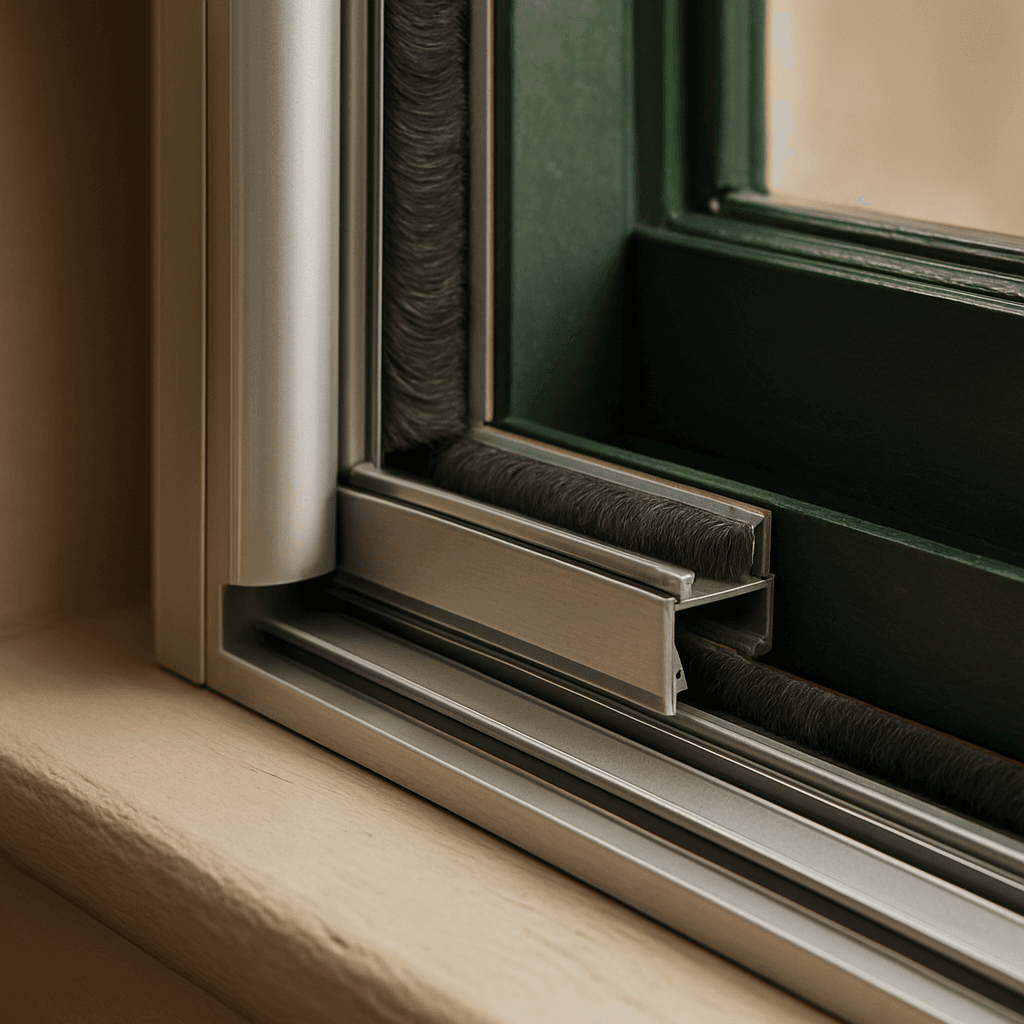
- Glass: 6.8mm acoustic laminate (excellent performance, safe if broken)
- Air gap: 100mm+ for good low-frequency reduction
- Frame: Smooth edges, child-safe design
- Operation: Adult-height controls or fixed panels for safety
Safety Considerations
Laminated glass is inherently safer—if broken, it holds together rather than shattering into dangerous shards. For nurseries and children's rooms, we always recommend laminated options.
Combining Acoustic and Blackout
Darkness is as important as quiet for baby sleep. The cavity between original windows and secondary glazing is ideal for blackout solutions:
- Integrated blackout blinds: Fitted within the cavity for complete darkness
- No light gaps: Enclosed installation eliminates edge light leak
- Easy adjustment: Raise for daytime light, lower for naps and bedtime
This combination addresses both major sleep disruptors—noise and light—in one installation.
Typical Results
| Noise Type | Without Treatment | With Acoustic Secondary Glazing |
|---|---|---|
| Background traffic | 50-55dB | 25-30dB |
| Passing bus | 65-70dB | 30-35dB |
| Siren (close) | 75-85dB | 35-45dB |
| Door slam nearby | 60-65dB | 25-30dB |
The reduction in peak noise events is particularly important—it's sudden loud sounds that wake babies most readily.
Ventilation for Baby's Room
Fresh air circulation is important for nurseries, but you need options:
- Opening secondary glazing: Ventilate when baby is awake, close for sleep times
- Acoustic trickle vents: Continuous air exchange with minimal noise penalty
- Room monitor integration: Modern monitors include temperature alerts—manage ventilation to maintain comfort
The Investment Perspective
For a typical nursery (1-2 windows):
- Cost: £1,500-£3,000
- Installation: 2-4 hours
- Lifespan: 25+ years (will serve through childhood and beyond)
Compare to ongoing costs of sleep deprivation:
- Sleep consultants: £200-£500+ per consultation
- White noise machines: £30-£100 (recurring replacements)
- Parental exhaustion: impact on work, health, relationships
Quality sleep has value far beyond money—but the financial case is strong too.
Future-Proofing
A nursery eventually becomes a child's bedroom, then perhaps a teenager's room, then a guest room or home office. The acoustic improvement you install now will benefit:
- Toddler naps during busy daytime hours
- School-age children needing quiet for homework
- Teenagers wanting their own peaceful space
- Future uses of the room
It's a once-and-done improvement that serves the household for decades.
Case Study: Victorian Terrace, Clapham
Front-facing nursery on a busy residential street:
- Problem: Baby waking 4-6 times daily from traffic noise
- Solution: Acoustic secondary glazing with integrated blackout
- Result: Consistent 1.5-2 hour naps, reduced night wakings
- Parent feedback: "We genuinely didn't think it would make this much difference. It's transformed our days."
Getting Started
If urban noise is disrupting your baby's sleep—and your sanity—request a nursery survey. We'll assess your noise exposure and recommend an appropriate solution.
Call 020 7060 1572 to discuss creating a quieter nursery.