Secondary Glazing for Noisy Neighbours, Barking Dogs and Music Practice
Dr Sarah Chen
Building Physics Consultant
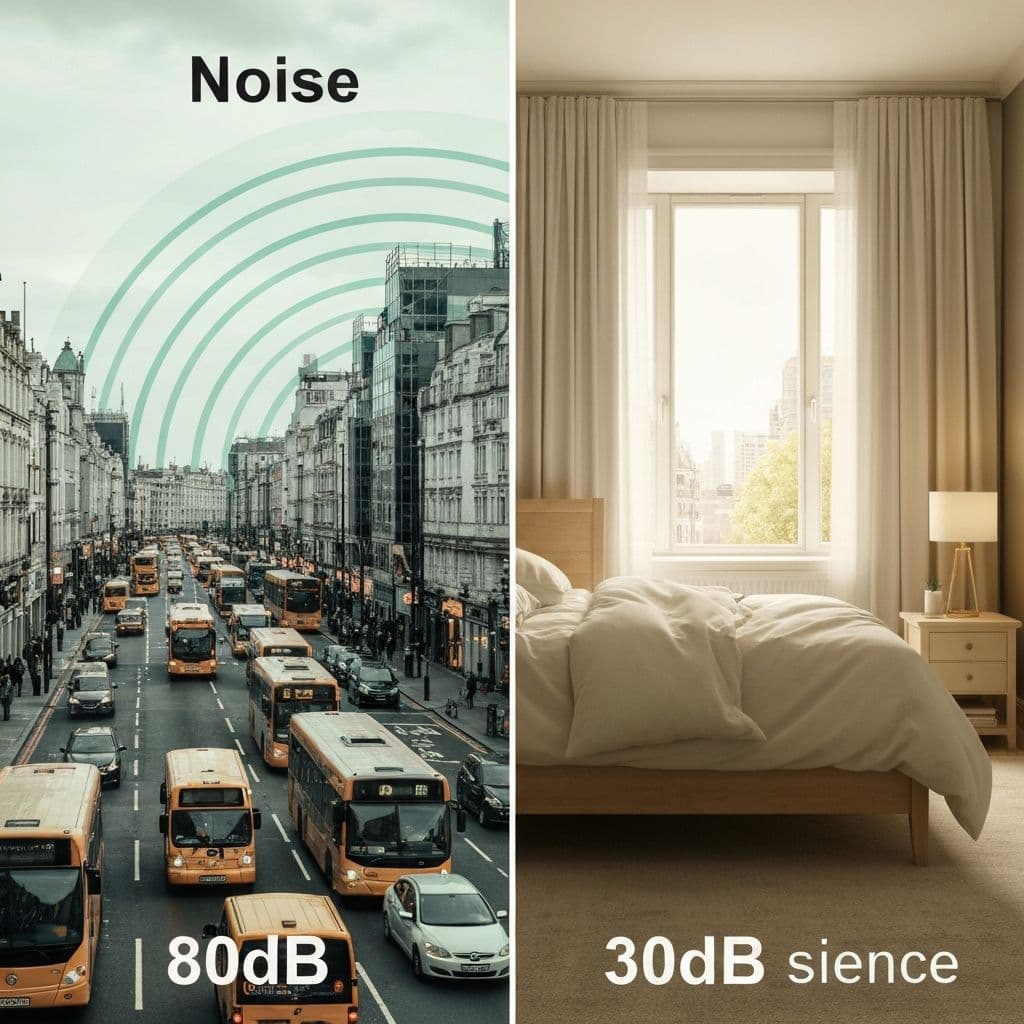
Traffic is not the only noise that drives Londoners mad. Barking dogs in the next garden, parties on a neighbour's terrace and a teenager's drum kit across the street can be just as disruptive. Sometimes the problem is reversed: you play piano, guitar or drums and want to stop the sound reaching the neighbours. Secondary glazing helps in both directions, as long as the noise is mainly coming through the window.
Why This Noise Is Different
Dog barks and voices are mid-frequency sounds, which good secondary glazing handles well. Bass from music and drums is low-frequency, which is much harder to block. Low frequencies need heavier glass and a wider air gap between panes. Read more in acoustic glass for different London noise sources.
What to Specify
- Acoustic laminate glass, such as 10.8mm, which damps sound better than standard glass of the same thickness. See why 10.8mm acoustic laminate is the standard.
- A wide air gap between the original and secondary pane, ideally 100mm or more where the reveal allows. This matters most for bass.
- Good seals, because sound gets through any gap. A perfectly glazed unit with poor seals will disappoint.
Keeping Music In
For a home practice room, glazing is usually the weakest point, so it is a sensible first step. Seal the window, fit acoustic glass with a deep gap, and keep it closed while you play. Low drum and bass notes can still travel through walls, floors and doors, so serious practice rooms may need wider soundproofing as well.
Where Secondary Glazing Will Not Help
If the noise comes through a shared party wall or floor, as in many converted flats, better windows will not fix it. A simple test: close the window and listen. If the noise barely changes, it is not coming through the glass. If it drops noticeably, secondary glazing will help a lot more.
Frequently Asked Questions
Will secondary glazing block a barking dog?
It can reduce it substantially when the dog is outside, because barking is mostly mid-frequency sound that acoustic glazing handles well.
Can secondary glazing soundproof a music room?
It will cut sound escaping through the window, which is often the weakest point. Very loud bass may still travel through the structure.
How much quieter will it be?
That depends on the existing window, glass and air gap. See sound insulation or book a free acoustic survey.