Soundproof Windows for London Flats: Solving Traffic Noise Problems
Dr Sarah Chen
Building Physics Consultant

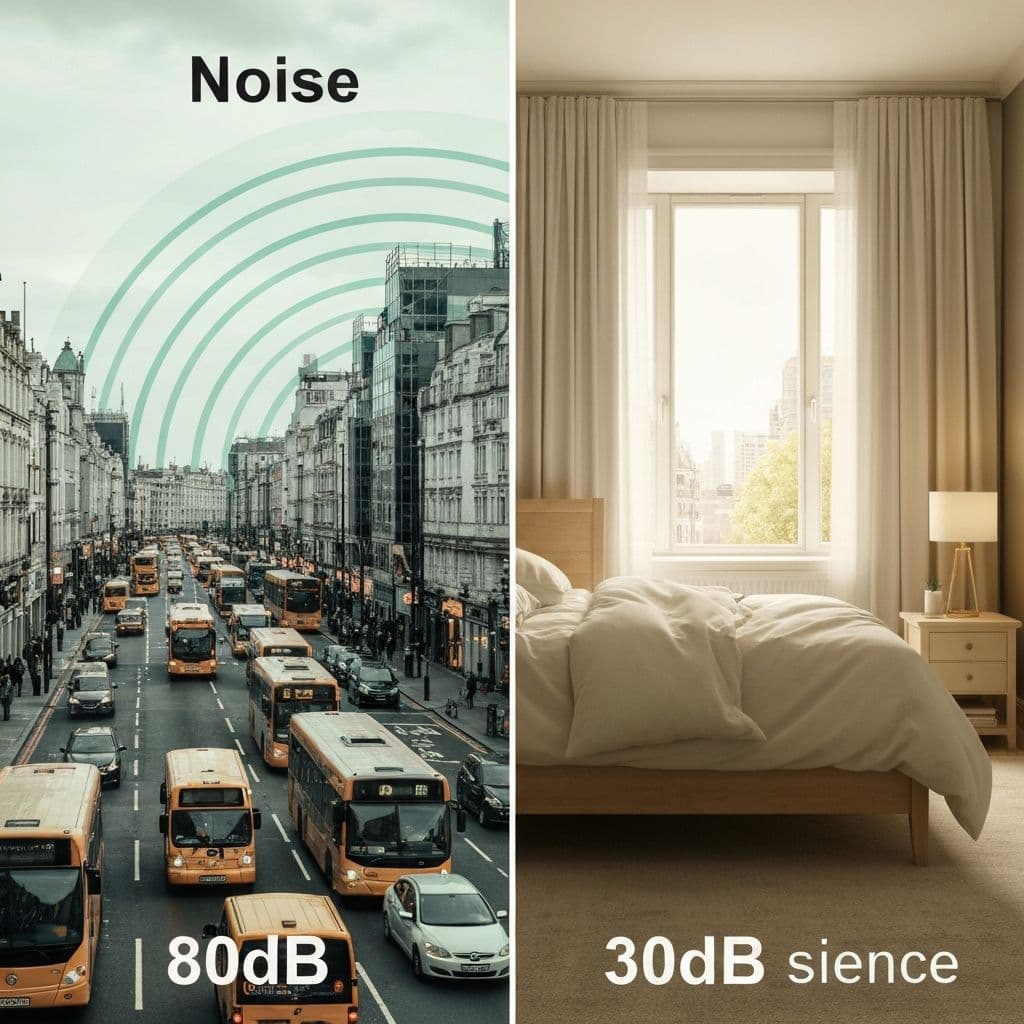
You found your dream London flat—great location, good transport links, character features—and then you moved in. The traffic starts at 6am. The buses idle beneath your window. The sirens seem to use your street as a shortcut. Sleep becomes a distant memory, and you start to understand why noise is classified as a form of pollution.
If this sounds familiar, you're not alone. Traffic noise is the number one quality-of-life complaint for London flat dwellers, and it's getting worse as the city grows. But here's the good news: there's a solution that works, and it doesn't require moving house.
Why London Flat Noise Is Different
Flats present unique acoustic challenges compared to houses:
- Height matters less than you'd think: Traffic noise at third-floor level is often worse than ground floor because sound reflects off the opposite building
- You can't control shared elements: Party walls, communal hallways, and neighbouring flats all transmit sound
- Windows are your biggest weakness: In a typical flat, windows represent the overwhelming majority of external noise ingress
- Building restrictions apply: Leaseholders often can't modify external windows without freeholder consent
The last point is crucial. Even if you could afford to replace every window with triple-glazed acoustic units, your lease probably prohibits it. Many London mansion blocks and converted properties have strict rules about maintaining external uniformity.
Secondary Glazing: The Flat-Friendly Solution
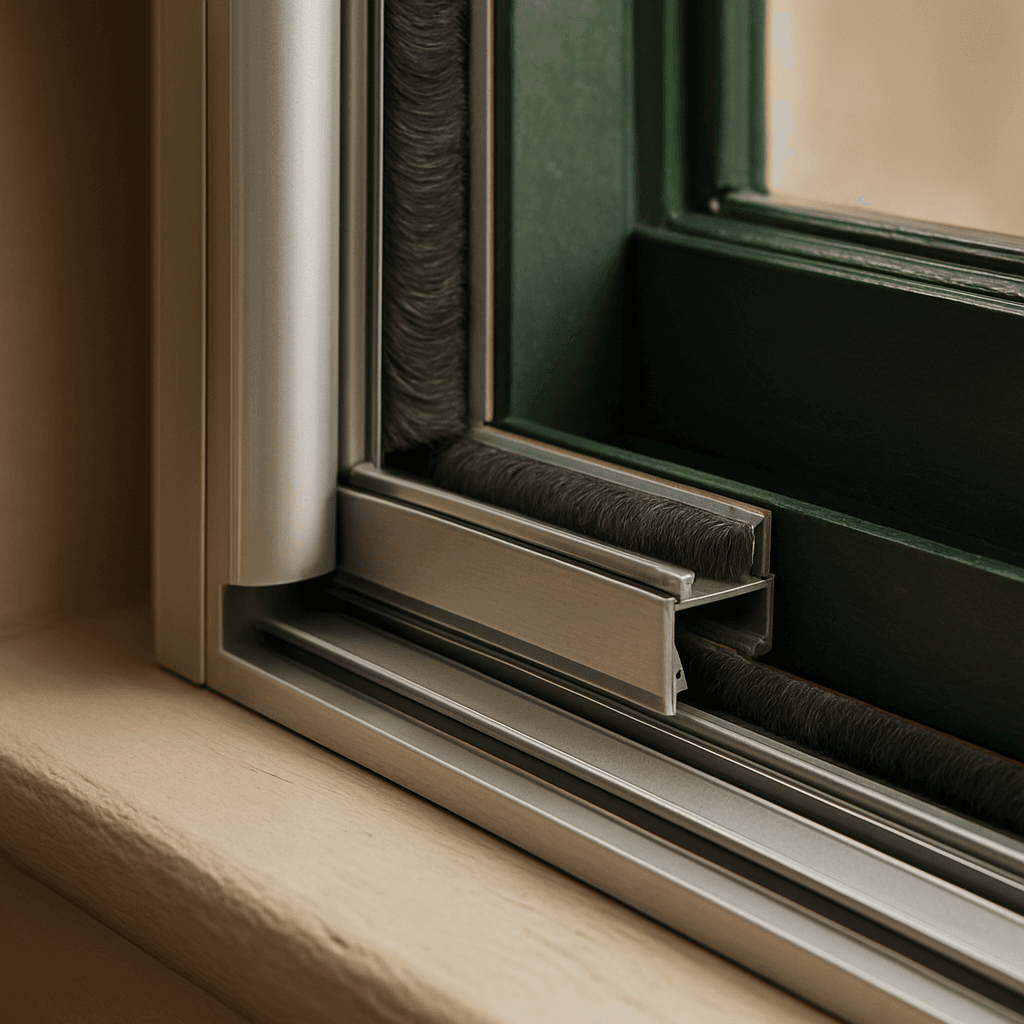
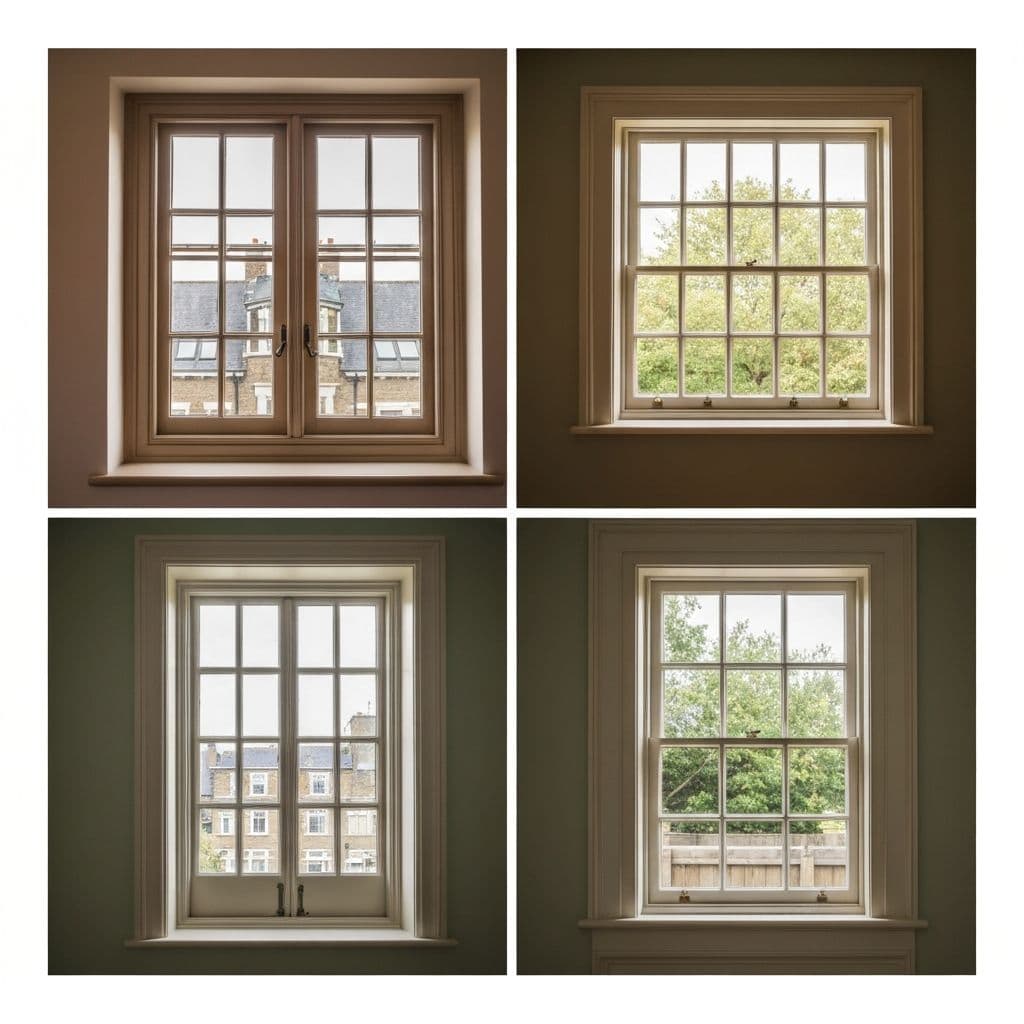
Secondary glazing is installed on the inside of your existing windows. Because it doesn't change the external appearance of the building, it typically doesn't require freeholder consent or planning permission—even in listed buildings and conservation areas. Our secondary glazing for noise reduction page explains how we specify it for traffic-facing rooms.
For flat dwellers, this is transformative. You can achieve serious noise reduction without navigating the bureaucratic nightmare of lease variations and freeholder applications.
Understanding Traffic Noise
To understand why secondary glazing works so well for traffic noise, you need to understand what traffic noise actually is.
Traffic noise is predominantly low-frequency sound—the rumble of engines, the thrum of tyres on tarmac, the bass notes of buses and lorries. Low-frequency sound has long wavelengths, which makes it particularly difficult to block.
Standard double glazing, with its 16-20mm air gap, actually performs poorly against low frequencies. The small gap can even create resonance effects that amplify certain bass notes.
Secondary glazing works differently. With an air gap of 100mm or more, the sound wave has to travel through:
- The existing window glass
- A substantial air buffer
- The secondary glazing glass
Each transition costs the sound wave energy. The larger air gap is particularly effective against the low frequencies that characterise traffic noise.
Glass Specification for Maximum Quiet
The glass in your secondary glazing matters enormously. For a London flat facing a busy road, we recommend:
10.8mm Acoustic Laminate Glass
This isn't just thick glass—it's a sandwich of two glass layers bonded with a PVB (polyvinyl butyral) interlayer. The PVB acts as a damper, converting sound energy into tiny amounts of heat rather than transmitting it as vibration.
The difference is dramatic:
- Standard 4mm glass: 25-28dB reduction
- 6.4mm laminate: 32-36dB reduction
- 10.8mm acoustic laminate: 42-48dB reduction
Remember: every 10dB reduction sounds like halving the volume. Going from standard glass to 10.8mm acoustic laminate can make a roaring main road sound like a quiet residential street.
Real Results from London Flats
Here are anonymised results from recent installations:
Victorian conversion, Holloway Road (A1):
- Before: 72dB average (equivalent to standing next to a busy road)
- After: 28dB average (equivalent to a quiet library)
- Reduction: 44dB
Mansion block, Cromwell Road (A4):
- Before: 68dB average
- After: 31dB average
- Reduction: 37dB
Purpose-built flat, Euston Road:
- Before: 75dB average (one of London's noisiest roads)
- After: 32dB average
- Reduction: 43dB
These aren't marginal improvements—they're life-changing transformations.
What About Ventilation?
A common concern: "If I seal my windows with secondary glazing, how do I get fresh air?"
Good question, and there are several answers:
1. Opening secondary glazing: We can specify sliding, hinged, or tilt-and-turn secondary units that open fully for ventilation when you want it.
2. Acoustic trickle vents: Special ventilators that allow air flow while attenuating sound. Not as effective as closed windows but maintain background ventilation.
3. Controlled ventilation: Open windows at quiet times (early morning, late evening) and close during peak traffic.
4. Mechanical ventilation: For the most noise-sensitive situations, mechanical ventilation with heat recovery (MVHR) provides constant fresh air without opening windows.
Installation in Flats: What to Expect
Installing secondary glazing in a flat is straightforward:
- Survey: We measure every window precisely, noting any irregularities in your reveals
- Manufacture: Units are made bespoke in our workshop (typically 2-3 weeks)
- Installation: Usually completed in one day for a typical flat (4-6 windows)
- Clean-up: We leave your flat as we found it—no building debris
There's no scaffolding, no external work, and minimal disruption. Most clients continue living normally during installation.
Costs for London Flats
Secondary glazing costs depend on window size, glass specification, and opening mechanism. For a typical London flat:
- Studio/1-bed (3-4 windows): £2,000-£4,000
- 2-bed flat (5-7 windows): £3,500-£6,500
- 3-bed flat (7-10 windows): £5,500-£9,000
These prices assume standard 6.4mm acoustic glass. Upgrading to 10.8mm for maximum noise reduction adds approximately 30%.
The Health Argument
Beyond comfort, there's a serious health case for reducing traffic noise exposure. Research links chronic noise exposure to:
- Sleep disruption and insomnia
- Increased stress hormones (cortisol)
- Higher blood pressure
- Increased risk of cardiovascular disease
- Impaired cognitive function
- Mental health impacts including anxiety and depression
The World Health Organisation recommends bedroom noise levels below 30dB for healthy sleep. Many London flats exceed 50dB with windows closed. Secondary glazing can bridge that gap.
Taking the First Step
If traffic noise is affecting your quality of life in your London flat, don't just accept it as "part of city living." There's a proven solution that works within the constraints of flat ownership and doesn't require moving to the suburbs.
Request a free survey for your flat. We'll assess your specific noise situation, explain your options, and provide a detailed quotation with no obligation.
Or call 020 7060 1572 to discuss your situation with an acoustic glazing specialist.