5 Energy-Saving Mistakes Period Property Owners Make (And How to Avoid Them)
Penny Hargreaves
Heritage Acoustics Writer
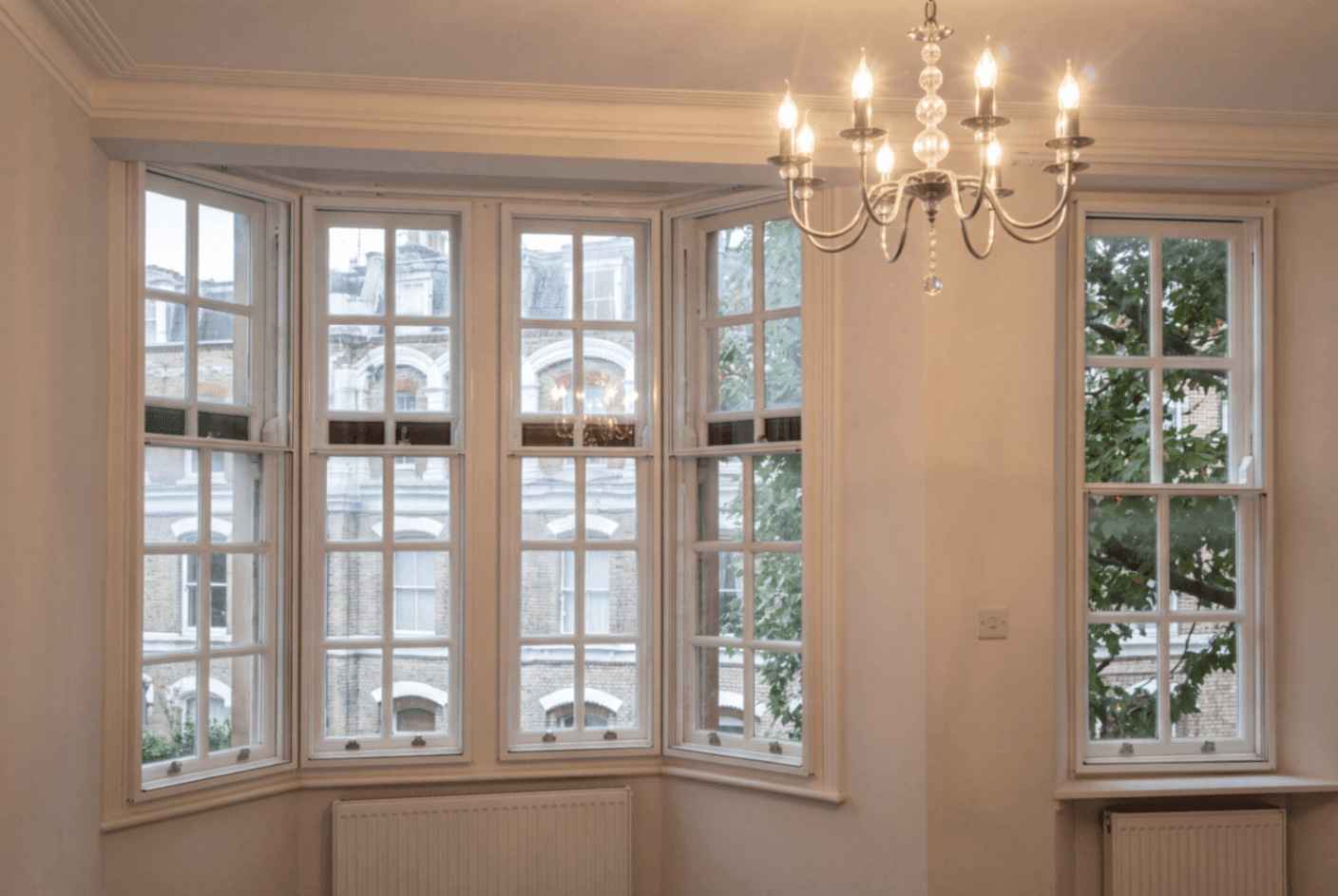
If you own a period property, you know the feeling. You love the high ceilings, the original sash windows, and the architectural charm that simply can’t be replicated in modern new-builds. But when winter arrives, that romance often gives way to a harsh reality: draughty rooms, sky-high heating bills, and the constant hum of the outside world seeping through single-glazed windows.
Many homeowners, in a rush to fix these issues, make costly errors that either damage the character of their home or fail to deliver the comfort they crave. As specialists in heritage-friendly solutions, we’ve seen it all. Here are the five most common energy-saving mistakes period property owners make, and how to avoid them.
1. Ripping Out Original Windows for uPVC
The single biggest mistake we see is the knee-jerk reaction to tear out beautiful, original timber sash windows and replace them with modern uPVC double glazing. While the sales pitch promises efficiency, the reality is often a disaster for a period home.
Firstly, if you live in a conservation area or a listed building, this is often illegal without specific consent, and you could be forced to reverse the work at great expense. Secondly, it destroys the aesthetic value and, frequently, the market value of your property. A Georgian townhouse with plastic windows looks jarring and inauthentic.
The Fix: Instead of replacement, consider retention and enhancement. Secondary glazing preserves your original windows while adding a discreet, high-performance internal layer. You keep the charm and gain the efficiency.

2. Ignoring the Windows and Only Insulating the Loft
Loft insulation is fantastic, and it’s often the first port of call for the energy-conscious homeowner. However, focusing solely on the roof while ignoring the windows is like wearing a warm hat but no coat.
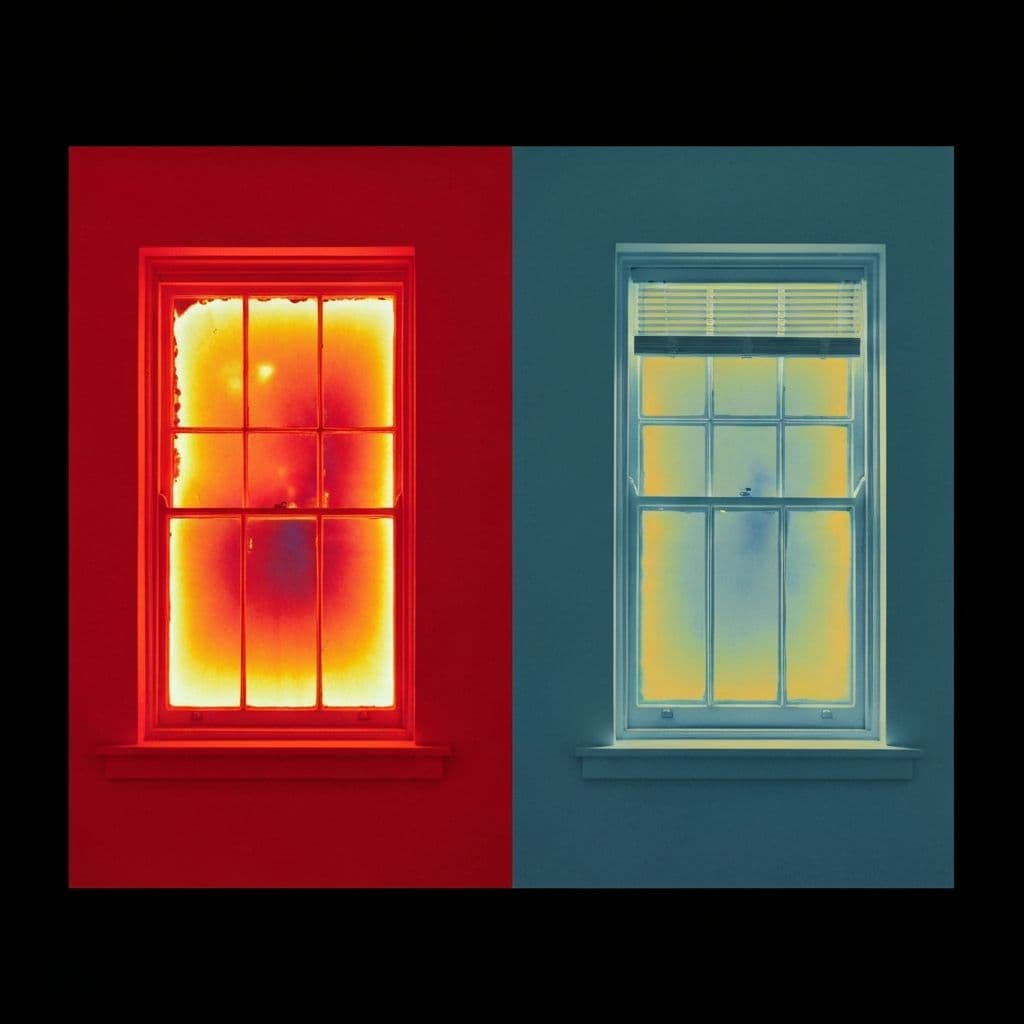
In a typical period home, a significant amount of heat is lost through single-glazed windows. You can pile insulation into your loft, but if your windows are acting like open sieves, you’re fighting a losing battle. The cold air pouring in from ill-fitting sashes creates uncomfortable draughts and forces your boiler to work overtime.
The Fix: Take a holistic approach. Address the “thermal envelope” of the entire building. Adding secondary glazing can reduce heat loss through windows by over 60%, making a far more noticeable difference to your day-to-day comfort than loft insulation alone.
3. Using “Quick Fixes” Like Film and Draught Tape
We understand the appeal of a cheap, DIY solution. Plastic window film and self-adhesive draught-excluder tape are marketed as easy wins. And while they might offer a tiny, temporary improvement, they are ultimately false economies.
Draught tape peels away within months, leaving a sticky residue on your precious timber. Shrink-film looks unsightly and needs to be reapplied every single year. Neither solution does anything meaningful to block noise, and they certainly don’t add any value to your home.
The Fix: Invest in a permanent solution. Bespoke secondary glazing is designed to last for decades. It doesn’t just block draughts; it creates a sealed, insulating air gap that transforms the thermal performance of the window.
4. Overlooking Noise Pollution as Part of “Comfort”
When people think about energy and comfort, they usually think about temperature. But true comfort in a home is also about peace and quiet. Period properties are often located in bustling town centres, on busy roads, or near railway lines, and those charming old windows do almost nothing to keep the noise out.
Many homeowners solve their heat problem but forget about the noise, only to find they are still disturbed by traffic and sirens. If you live under a flight path, for example, the roar of aircraft can be relentless.
The Fix: Choose a solution that tackles both. Our acoustic secondary glazing uses specialist glass and a wide air gap to reduce noise by up to 80%. For those in specific hotspots, our guide on tackling Heathrow flight path noise offers targeted advice.

5. Failing to Tackle Condensation and Damp
Cold single-glazed windows are magnets for condensation. When warm, moist indoor air hits the freezing cold glass, it turns to water. In a period property, this persistent moisture can lead to mould growth, peeling paint, and, most worryingly, rot in your original timber frames.
Ignoring this is a mistake that can lead to expensive structural repairs down the line. Many owners simply wipe down their windows every morning without addressing the root cause.
The Fix: Warm up the surface. By installing secondary glazing, the internal pane stays much closer to room temperature, drastically reducing the surface where condensation can form. This protects your historic joinery. Learn more in our detailed article on condensation causes and solutions.
Is It Worth It? An Honest Assessment
We believe in being straight with our clients. Secondary glazing is a significant, high-quality investment, not a bargain-bin purchase. If your primary goal is simply to preserve a listed building’s character while achieving genuine warmth and quiet, it is unquestionably worth it.
However, if your original window frames are already rotten and structurally unsound, secondary glazing alone won’t fix the underlying decay; you’ll need restoration first. For a full breakdown of the financial side, read our analysis on whether secondary glazing is worth it.
Protect Your Investment the Right Way
Your period property is a piece of history, and it deserves to be treated with respect. By avoiding these common mistakes, you can create a home that is warm, quiet, and efficient without sacrificing the character that makes it special.
Ready to solve your home’s energy and noise issues the heritage-friendly way? Request a bespoke quote today and let our specialists help you protect your investment.
Sources & References
The information in this article is supported by the following sources. We strive to provide accurate, well-researched content for our readers.
- 1Government
Energy Efficiency and Historic Buildings: Secondary Glazing for Windows. Historic England (2016).
- 2Website
Windows and doors — reducing home heat loss. Energy Saving Trust (2023).