Secondary Glazing, Carbon Savings and Net Zero: The Low-Waste Window Upgrade
Dr Sarah Chen
Building Physics Consultant
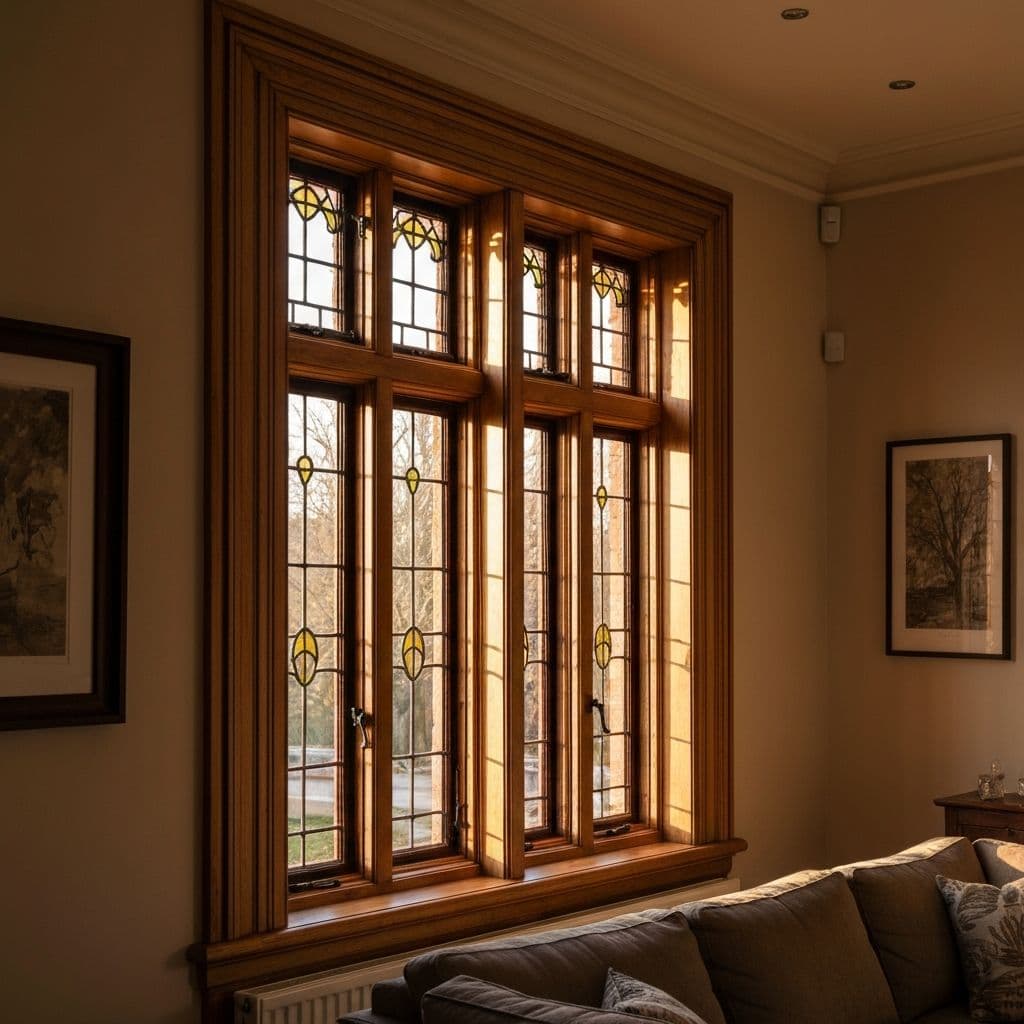
When people think about cutting a building's carbon footprint, they often think of new double or triple glazing. But replacing windows has its own carbon cost: making new frames and glass, removing the old ones and sending them to landfill or recycling. Secondary glazing improves the windows you already have, so most of that waste never happens.
Operational vs Embodied Carbon
Operational carbon comes from heating and running a building. Reducing heat loss through windows cuts it every year.
Embodied carbon is released making, transporting and installing materials. Every new window carries some, and so does disposing of the old one.
Secondary glazing reduces operational carbon by cutting heat loss, while keeping embodied carbon low because the original frame, glass and surround all stay in place.
Why Keeping Original Windows Matters
- Less waste: nothing is ripped out, so there are no old frames to dispose of.
- Longer lifespan: well-maintained timber sash windows can last well over a century. Secondary glazing protects them from weather and wear inside.
- Heritage value: historic glass and joinery are kept, which matters for listed buildings and conservation areas.
For a fuller comparison, see why secondary glazing beats replacing sash windows.
For Businesses and Landlords
Offices, hotels, schools and churches with period windows face growing pressure to cut emissions without damaging historic buildings. Secondary glazing is a practical, reversible step that fits into net zero plans and can support better EPC ratings. See commercial secondary glazing and EPC fixes for rental properties.
Make the Most of It
- Repair rotten timber on the original windows first.
- Choose low-e glass in the secondary pane for better thermal performance. See U-values explained.
- Combine with draught-proofing and loft insulation for the biggest overall saving.
Frequently Asked Questions
Is secondary glazing more sustainable than double glazing?
For existing windows in good condition, it often is, because it keeps the original windows and avoids most of the waste of replacement while still cutting heat loss.
Does secondary glazing help reach net zero?
It is one of several steps. On its own it will not make a building net zero, but it reduces heating demand with little disruption.
Can it be recycled at the end of its life?
Aluminium frames are widely recyclable. Get a free quote to discuss your project.