EPC Rating Fixes for Rental Properties: 5 Steps to Hit 'C' Without Replacing Windows
James Whitfield
Conservation Planning Advisor
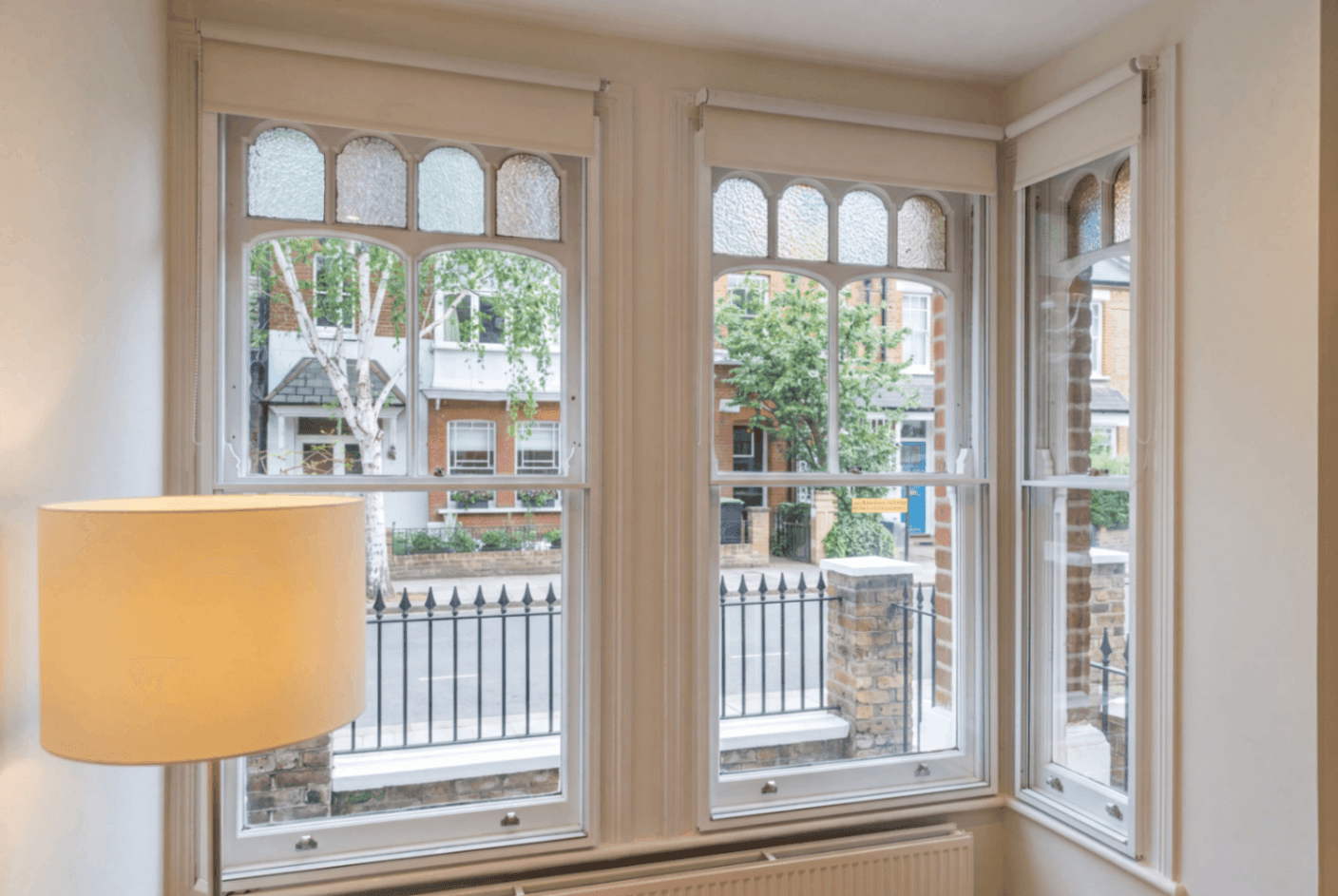
If you own a period rental property, improving its EPC can feel like being asked to modernise a museum without touching the exhibits.
Your tenants may be complaining about draughts, condensation and rooms that feel cold even when the heating is on. Meanwhile, replacing original sash or casement windows could cost thousands, damage historic fabric or trigger a difficult planning conversation.
There is, however, a more discreet route.
Secondary glazing adds a slim, independent pane inside your existing window. It improves thermal performance without removing the original frame, changing the exterior appearance or committing you to a disruptive replacement project.
Used as part of a wider improvement plan, it can help move a borderline property towards EPC band C while preserving the character that makes it lettable and valuable.
Important 2026 update: In England and Wales, the current legal minimum for most privately rented homes remains EPC band E. The government's future direction is a higher band C standard, with a framework pointing towards 2030 rather than a new legal C requirement in 2026 or 2027. Always check the latest official landlord MEES guidance, particularly if you own property in Scotland or Northern Ireland, where rules differ.
Here are five practical steps to plan ahead without replacing your windows.
Step 1: Start with the EPC, not the window quote
Before spending money, obtain the property's current EPC and look beyond the letter grade.
A property rated D 68 is in a very different position from one rated E 45. The first may need a carefully targeted package to reach C. The second is likely to require improvements across the wider building.
Ask your energy assessor or retrofit adviser to identify:
- The property's current SAP score and EPC band
- Whether the windows are recorded as single, double or secondary glazing
- Which recommendations offer the best improvement for your budget
- Whether the property has insulation, heating or ventilation weaknesses
- How much improvement is likely to come from glazing alone
For existing homes, EPCs generally use the Reduced Data Standard Assessment Procedure (RdSAP). Secondary glazing can be recorded within this assessment, meaning it may contribute to the property's score. The improvement still needs to be assessed accurately; it is not automatically worth a fixed number of points.
The UK Parliament's written answer on secondary glazing and EPCs confirms that secondary glazing is recognised in the assessment methodology.
For the wider picture on how glazing affects compliance, see our guide to EPC ratings and windows for landlords.
Your EPC is a roadmap, not just a certificate. Use it to understand where your property is leaking energy before commissioning work.
Step 2: Improve the whole thermal envelope
Windows matter, but they are only one part of the building's thermal envelope.
If the roof is losing heat like a colander holding water, upgrading the windows alone will not deliver the result you need. Before selecting glazing, check whether the property needs:
- Loft insulation top-up
- Cavity wall or internal insulation where suitable
- Draught-proofing around doors and floorboards
- Boiler controls or a programmable thermostat
- Thermostatic radiator valves
- Efficient lighting and hot-water controls
- Repairs to leaking gutters or damp-prone areas
This does not mean you need to carry out every measure at once. It means you should prioritise intelligently.
For many landlords, the sensible sequence is to address low-cost, high-impact improvements first, then use thermal efficiency secondary glazing to tackle the original windows that remain cold, draughty or inefficient.
Secondary glazing is particularly useful where single-glazed windows form a significant part of the heat-loss problem. The sealed internal pane and air gap reduce heat transfer, helping the inner surface stay warmer and making rooms feel less like they are being cooled from the outside in.
Comfort is part of the business case. Warmer rooms can mean fewer tenant complaints, less condensation and better retention between tenancies.

Step 3: Target the right windows with the right specification
You do not necessarily need to glaze every window to make a meaningful improvement.
Begin with the rooms where tenants feel the problem most intensely:
- Bedrooms with rattly sash windows
- Living rooms with large single-glazed bays
- Front rooms exposed to traffic noise
- Kitchens and bathrooms affected by condensation
- Windows above radiators or in particularly cold rooms
The best configuration depends on how each window opens and how the room is used.
| Existing window or priority | Suitable secondary glazing approach | Landlord benefit |
|---|---|---|
| Traditional sash window | Bespoke vertical slider | Retains sash operation and heritage appearance |
| Wide casement or bay | Horizontal slider or multi-panel system | Covers larger openings with access retained |
| Rarely opened landing window | Fixed or lift-out panel | Slim, discreet and cost-conscious |
| Bedroom near a busy road | Acoustic laminate glazing | Reduces external noise as well as heat loss |
| Window requiring frequent ventilation | Hinged or sliding unit | Maintains practical day-to-day access |
For thermal improvement, standard glass may be appropriate. Where noise is also affecting tenant comfort, an acoustic specification may be more suitable. A laminated pane with a PVB interlayer helps dampen sound energy; combined with a properly designed air gap, it can reduce the rhythmic cocktail of traffic, sirens and late-night deliveries.
Do not assume the thickest glass is automatically best. The air gap, frame design, seals and relationship between the original window and the new pane all matter.
Read more about secondary glazing types, or explore the specialist options available for sash windows.
Step 4: Use secondary glazing as the heritage-friendly solution
If you are the custodian of a listed building or a home in a conservation area, window replacement can become a planning obstacle as well as a financial one.
Original timber windows may be important to the building's significance. Even where replacement is technically possible, a modern frame can alter sightlines, mouldings, glazing bars and the external appearance of the property.
Secondary glazing works differently.
It is installed internally, leaving the original window in place. In many cases, it is reversible and does not alter the street-facing elevation. That makes it a useful insider's route for landlords who need better performance without launching a surgical strike on the building's character.
It is not a loophole that bypasses every consent requirement. Listed buildings and unusual properties still need careful consideration. But a discreet internal system is often more acceptable to conservation officers than removing original windows.
Before installation, confirm:
- Whether Listed Building Consent or planning advice is needed
- That the existing frames are sound enough to retain
- How the secondary units will be fixed and sealed
- Whether emergency egress and ventilation are preserved
- What documentation will be supplied after installation
For more context, see the guide to secondary glazing for listed buildings and our information on planning permission.
Step 5: Choose experienced secondary glazing installers and reassess
A product only performs as well as its survey and installation.
Period windows are rarely perfectly square. Sash boxes can be uneven, reveals may vary from room to room and old joinery can contain decades of paint, movement and repairs. An off-the-shelf panel may leave gaps around the edges, compromise operation or look conspicuous.
Experienced secondary glazing installers should measure every opening individually and recommend a specification based on the window, the building and the tenant's needs.
As a broad 2026 guide, the secondary glazing cost guide gives indicative prices of:
- £300–£800 per window for standard units
- £600–£1,200 per window for acoustic laminate
- £1,000–£2,200 per window for heritage or grid-matched units
These are starting points, not a promise. Size, access, opening style, finish and heritage detailing all affect the final secondary glazing cost.
After the work is complete:
- Keep the invoice and product specification.
- Photograph the installed units if helpful.
- Show the assessor which windows have been upgraded.
- Request a new EPC if the improvement is material.
- Review the remaining recommendations before committing to further work.
We like to be honest: secondary glazing will not rescue rotten or structurally failing frames. If the original timber is decayed, repair or restoration comes first. It may also not be enough to move a low-rated E property all the way to C without insulation or heating improvements.
But for a property with sound original windows, especially one sitting close to the next EPC band, it can be a cost-effective, low-disruption part of the solution.
Is secondary glazing cheaper than replacing windows?
Often, yes, particularly in a period property.
Window replacement can include manufacture, removal, disposal, making good plaster, redecorating and possible specialist joinery. Heritage-appropriate double glazing may also be considerably more expensive than a standard modern replacement.
Secondary glazing keeps the original window where it is. That reduces disruption and can preserve both the building's character and the tenant's daily routine.
| Consideration | Secondary glazing | Full window replacement |
|---|---|---|
| Original windows | Retained | Removed |
| External appearance | Usually unchanged | May change |
| Listed or conservation properties | Often more suitable | May be restricted |
| Installation disruption | Generally low | Higher |
| EPC contribution | Can improve performance when correctly recorded | Usually improves performance |
| Best fit | Period homes, noise issues, borderline EPCs | Unsound windows or unrestricted modern properties |
The right answer depends on the EPC assessment, the condition of the frames and your long-term plans for the property.
Reclaim comfort without compromising the property
Preparing for tighter rental standards does not have to mean stripping character from a valuable period home.
Start with the evidence. Understand the EPC, improve the wider fabric, target the worst-performing windows and choose a bespoke system that respects the building. Secondary glazing can be the discreet link between heritage conservation and modern tenant expectations: warmer rooms, fewer draughts and a more resilient rental asset.
Secondary Glazing Specialist provides tailored surveys and installation for period, listed and modern rental properties. Book a free, no-obligation survey and quote, or call 020 7060 1572 to discuss your property.
Protect the history. Improve the performance. Plan for the standard that is coming next.
Frequently asked questions
Can secondary glazing improve a rental property's EPC rating?
Yes. Secondary glazing can be recorded in the RdSAP assessment for existing homes and may improve the EPC score, particularly when upgrading single-glazed windows. The exact impact depends on the whole property and should be confirmed by a qualified assessor.
Is EPC band C legally required for landlords in 2026 or 2027?
In England and Wales, the current legal minimum remains band E for most privately rented homes. The government is working towards a higher band C standard, but landlords should check the latest official MEES guidance for current requirements and exemptions.
How much does secondary glazing cost?
Indicative 2026 prices range from around £300–£800 per standard window, £600–£1,200 for acoustic glazing and £1,000–£2,200 for heritage grid-matched units. A survey is needed for an accurate quote.
Will secondary glazing damage original sash windows?
A correctly designed and professionally installed system should be discreet, non-destructive and removable. The existing sash window remains in place, although its condition should be checked before installation.
Is secondary glazing enough to reach EPC C?
Sometimes, if the property is already close to band C. It is unlikely to be sufficient on its own for a poorly insulated E- or F-rated property. Treat it as part of a wider, fabric-first improvement plan.
Sources & References
The information in this article is supported by the following sources. We strive to provide accurate, well-researched content for our readers.
- 1
- 2Government
Written question HL5697: Secondary glazing and Energy Performance Certificates. UK Parliament (2025).