Georgian Windows and Secondary Glazing: Preserving Multi-Pane Character
James Whitfield
Conservation Planning Advisor

Georgian windows are among the most elegant in British architectural history. Their slim glazing bars dividing multiple small panes create a distinctive character that defines the period—from grand townhouses to modest terraces. But this very elegance creates challenges when you want to improve thermal and acoustic performance.
Understanding Georgian Window Design
Georgian windows (roughly 1714-1830) have distinctive characteristics:
Multiple Panes
Six-over-six (twelve panes total) is classic Georgian. Earlier examples might be twelve-over-twelve; later Georgian often used six-over-six or even two-over-two as glass technology improved.
Slim Glazing Bars
The meeting rails and glazing bars are remarkably thin—often just 20-25mm wide. This allowed maximum light while supporting the small panes that glass technology of the time could produce.
Crown or Cylinder Glass
Original Georgian glass has subtle waves and imperfections that catch the light. This character is impossible to replicate with modern float glass.
Proportion
Georgian windows follow classical proportions. The pane dimensions, bar widths, and sash sizes were carefully considered. Alterations that disrupt these proportions look wrong, even if viewers can't articulate why.
The Secondary Glazing Challenge
Adding secondary glazing to Georgian windows requires sensitivity to these characteristics:
The Grid Question
Should the secondary glazing replicate the Georgian pane grid, or use a single large pane?
Single Pane Approach
Advantages:
- Simpler, cleaner installation
- Better acoustic performance (fewer frame elements)
- Lower cost
- Easier to clean
Disadvantages:
- Creates visual contrast with multi-pane original
- May affect the period aesthetic from inside
- Can look "blank" against the detailed original
Grid-Matched Approach
Advantages:
- Respects the Georgian pane proportions
- Secondary glazing becomes nearly invisible
- Maintains period character from interior
- Often preferred by conservation officers for listed buildings
Disadvantages:
- More complex, higher cost
- Multiple frames can slightly reduce acoustic performance
- More components to maintain
Our Recommendation
For most Georgian properties, we recommend aligned single-pane secondary glazing with careful attention to frame positioning:
- Frame rails aligned with the original meeting rails
- Minimal frame width (20-25mm) matching original bar proportions
- Frame colour matching interior joinery
- Clean sight lines that don't compete with the Georgian grid
This approach maintains the Georgian character while maximising acoustic and thermal performance. The secondary glazing becomes a neutral layer behind the detailed original.
For Grade I listed buildings or where conservation officers specifically request it, we can provide grid-matched solutions with glazing bars aligned to the original pattern.
Technical Considerations
Frame Depth
Georgian reveals are often deep (150-200mm), providing excellent space for secondary glazing. This depth allows optimal air gaps for acoustic performance.
Shutter Boxes
Many Georgian properties have internal shutters housed in deep boxes either side of the window. Secondary glazing must be designed to allow shutter operation:
- Frame positioned in front of shutter line
- Opening mechanism that clears folded shutters
- Careful measurement of shutter box depths
Sash Operation
Georgian sash windows slide vertically using counterweights. Secondary glazing should not interfere with this operation. We typically recommend vertical-sliding secondary units to match the original mechanism.
Listed Building Considerations
Many Georgian properties are listed:
Grade I
Buildings of exceptional interest. Secondary glazing may require Listed Building Consent. We can prepare detailed specifications to support applications. Grid-matched solutions often preferred.
Grade II*
Particularly important buildings. Similar considerations to Grade I—early consultation with conservation officer recommended.
Grade II
Buildings of special interest. Internal secondary glazing typically doesn't require consent as it doesn't affect external character, but check with your local authority.
Conservation Areas
Georgian streets are often in conservation areas. Secondary glazing is usually straightforward as it's internal and invisible from outside.
Period-Appropriate Details
For the most sympathetic installations:
Colour
Match frame colour to interior joinery—often off-white, cream, or heritage colours. Avoid stark white or obviously modern metallic finishes.
Handle Hardware
Where handles or fasteners are visible, specify traditional designs. Modern lever handles look incongruous against Georgian windows.
Glass Character
While secondary glazing uses modern float glass for performance, we can specify slightly textured glass if a softer appearance is desired. This marginally reduces clarity but may better complement original crown glass.
Acoustic and Thermal Performance
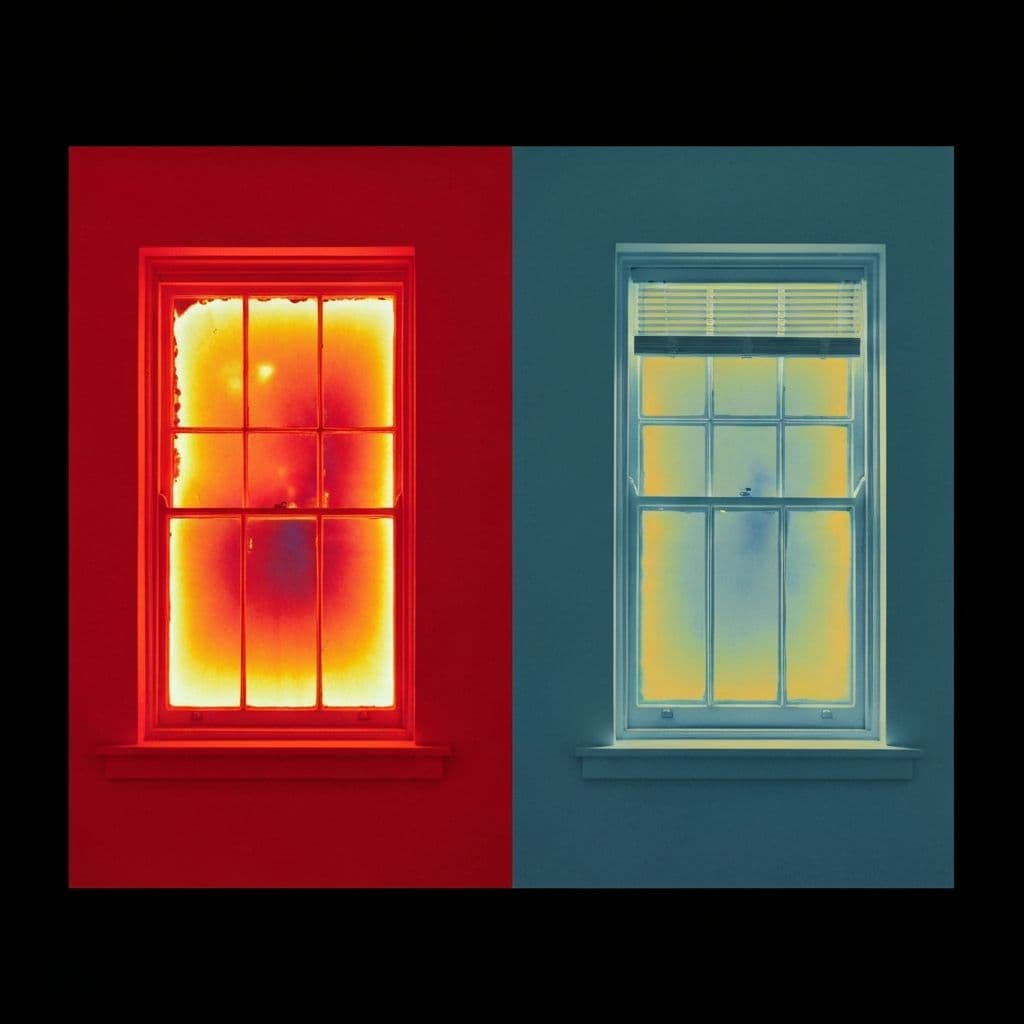
Georgian windows benefit significantly from secondary glazing:
- Original glazing: Single panes, typically 2-3mm thick, U-value ~5.8, noise reduction ~20-24dB
- With secondary glazing: U-value ~1.8-2.2, noise reduction ~42-50dB
The deep reveals characteristic of Georgian architecture actually benefit acoustic performance—they provide space for larger air gaps.
Case Study: Bloomsbury Townhouse
Grade II listed Georgian townhouse in Camden:
- Windows: Original six-over-six sashes with crown glass
- Challenge: Traffic noise from adjacent route, conservation sensitivity
- Solution: Aligned single-pane secondary glazing, frame rails matching meeting rail positions, heritage white finish
- Result: 48dB noise reduction, virtually invisible from inside, no Listed Building Consent required
- Client feedback: "You'd never know it was there—until you notice how quiet it is"
Investment
Georgian window secondary glazing typically costs:
- Standard specification, per window: £800-£1,200
- Premium acoustic specification: £1,000-£1,600
- Grid-matched pattern: £1,400-£2,200
For a typical Georgian townhouse (10-15 windows), expect £10,000-£20,000 for comprehensive treatment.
Getting Expert Advice
Georgian windows require specialist understanding. Request a survey to discuss your property's specific requirements and see examples of our Georgian installations.
Call 020 7060 1572 to speak with a heritage glazing specialist.