How to Insulate Single Glazed Windows Without Replacing Them
Dr Sarah Chen
Building Physics Consultant
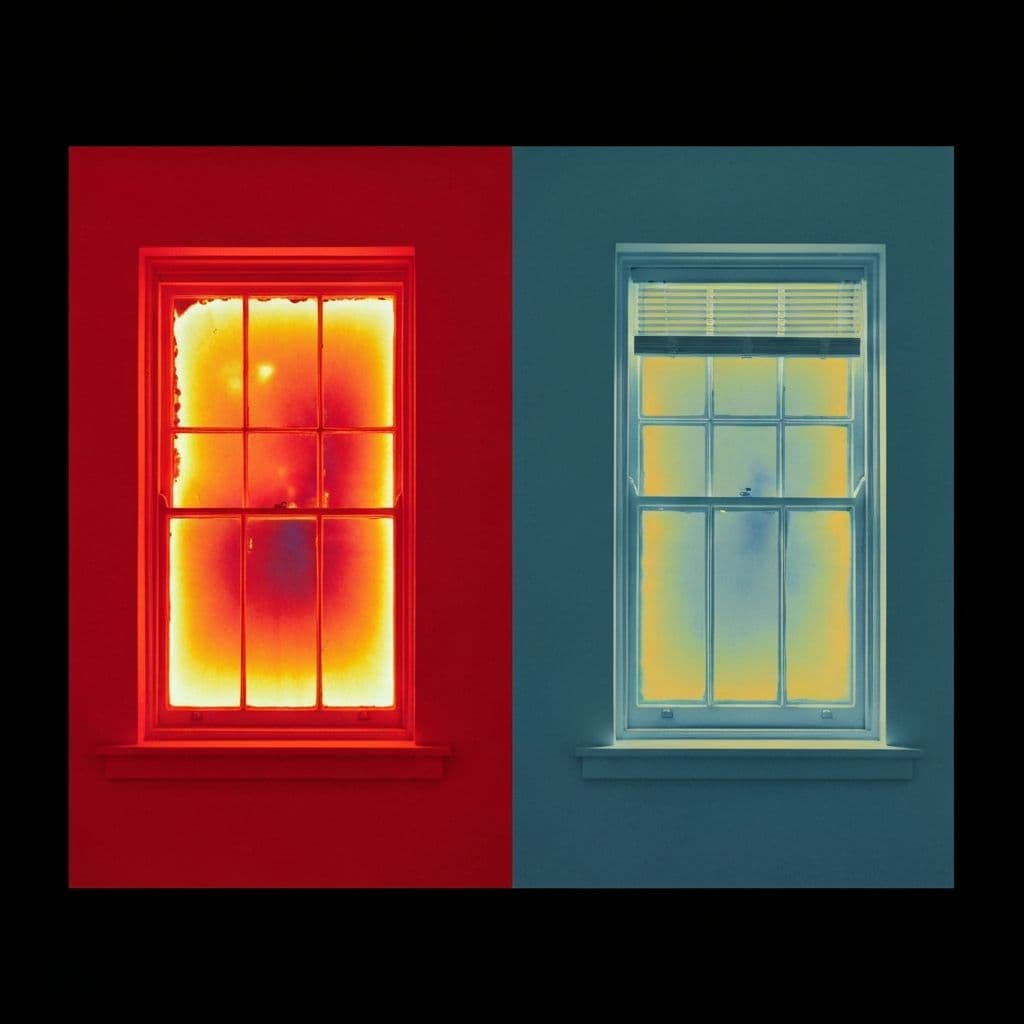
Single glazed windows are one of the biggest sources of heat loss in older homes. A single pane of glass has a U-value of roughly 4.8–5.8 W/m²K, several times worse than modern glazing, and old frames usually leak air too. The good news is that you do not have to replace them. Here are six ways to insulate single glazed windows, from the cheapest quick fixes to the most effective long-term option.
1. Draught Proofing
Much of the discomfort from single glazed windows comes from draughts rather than the glass itself. Brush or compression seals fitted around sashes and casements stop cold air leaking in. It is low cost and makes a noticeable difference, but it does nothing for heat lost through the glass or for noise. Compare the two in draught proofing vs secondary glazing.
2. Window Insulation Film
Shrink-on plastic film kits create a thin layer of still air over the glass. They are cheap and work for a winter, but they look temporary, cannot be opened and usually need replacing each year. Low-emissivity applied films are tidier but give only a small improvement.
3. Thermal Curtains and Blinds
Heavy lined curtains help at night but do nothing in the day when they are open, and they can cause condensation on the glass behind them.
4. Internal Shutters
Working timber shutters, common in Georgian and Victorian homes, add a useful layer of insulation when closed. Like curtains, they only help when they are shut. See secondary glazing vs window film, curtains and shutters for a fuller comparison.
5. Replacing the Glass With Slim Double Glazing
Slim double glazed units can sometimes be fitted into existing sashes. This needs a skilled joiner, may not be allowed on listed buildings and gives limited noise reduction because the cavity is very narrow.
6. Secondary Glazing
Secondary glazing adds a complete second window inside the original. It seals draughts, adds a wide insulating air gap and can use low-emissivity glass. Combined with the original single pane, a typical installation brings the window's U-value down to around 1.6–2.0 W/m²K, a reduction in heat loss of well over half. It also gives the biggest noise reduction of any option here.
Because it leaves the original window untouched, it is usually the approved route for listed buildings and conservation areas. Find out more on our secondary glazing page.
Side-by-Side Comparison
| Option | Heat loss | Draughts | Noise | Lasts |
|---|---|---|---|---|
| Draught proofing | Small | Large | Small | 5–10 years |
| Insulation film | Moderate | Some | None | One winter |
| Thermal curtains | At night only | Some | Small | Years |
| Internal shutters | When closed | Some | Some | Decades |
| Slim double glazing | Large | Needs draught proofing too | Small | 15–25 years |
| Secondary glazing | Large | Large | Large | 20+ years |
What About Condensation?
Single glazed windows often stream with condensation in winter because the glass is so cold. Secondary glazing keeps the room-side pane warmer, which reduces condensation inside the room. Read condensation on period windows for how to manage the cavity.
Our Recommendation
If you are on a tight budget, draught proofing is the best first step. If you want warmer rooms, lower bills and less noise, and to keep the original windows, secondary glazing is the most complete answer. For worked figures in pounds, see how much secondary glazing can save on energy bills.
Frequently Asked Questions
What is the best way to insulate single glazed windows?
Secondary glazing gives the largest improvement in heat, draughts and noise while keeping the original windows. Draught proofing is the best low-cost first step.
Can you make single glazed windows energy efficient?
Yes. Adding secondary glazing to a single glazed window can cut its heat loss by more than half, bringing it close to modern double glazing.
Is it worth insulating single glazed windows in a rented home?
Removable options like film and curtains suit tenants. Landlords improving EPC ratings usually choose secondary glazing.