Secondary Glazing for Flats: Noise, Heat and What Your Lease Allows
Dr Sarah Chen
Building Physics Consultant
More than half of London households live in flats, and flats are where window problems are often hardest to solve. You usually cannot replace the windows yourself, the building may be in a conservation area, and the noise outside rarely stops. Secondary glazing for flats works around all three problems, because it fits inside your own home and leaves the external windows exactly as they are.
Why Secondary Glazing Suits Flats
- The windows are often not yours. In most leases, external windows belong to the freeholder or are part of the building's structure. Secondary glazing is fitted to the inside of the reveal, so it is far easier to get approved than replacement windows.
- Uniform elevations. Many blocks require every window to look the same from the street. Secondary glazing is barely visible from outside, so the elevation stays unchanged.
- Noise is constant. Flats on main roads, above shops or near railway lines suffer more from noise than most houses. A wide air gap with acoustic glass is the most effective way to reduce it.
- It is reversible. If you sell or the freeholder later replaces the windows, the secondary units can be removed with minimal making good.
Permissions: Check Your Lease First
Before any work, read the alterations clause in your lease. Most leases ask for written consent for alterations, even internal ones that touch window reveals. Freeholders and managing agents usually agree quickly to secondary glazing because it does not change the building's appearance or structure. Our guide to secondary glazing for leasehold flats covers the consent process, licence to alter and mansion block rules in detail.
If the building is listed or in a conservation area, secondary glazing is still normally the preferred option for conservation officers. See do I need planning permission for secondary glazing.
Common Types of London Flat
Victorian and Edwardian conversions
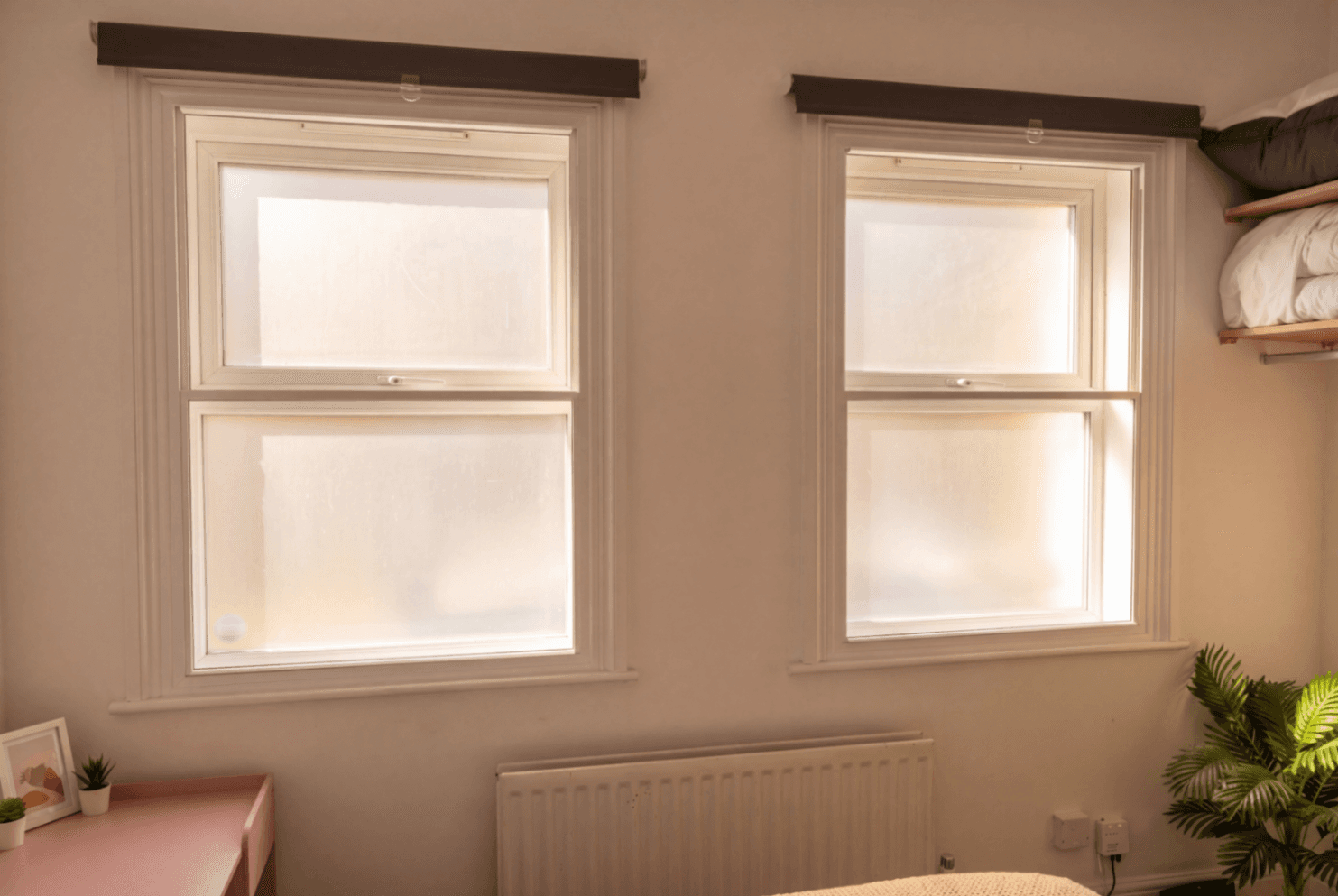
Converted houses usually keep their original sash windows, which are draughty and single glazed. Vertical sliding secondary glazing lines up with the sash meeting rails, so it is almost invisible from inside. Read more on secondary glazing for sash windows.
Mansion blocks
Mansion blocks often have large, deep window openings with plenty of space for a wide acoustic gap. They also tend to have the strictest managing agents, so consent letters and method statements matter.
Ex-local authority and 1960s–70s blocks
These often have metal or early uPVC windows that are draughty but cannot be changed by individual leaseholders. Secondary glazing improves comfort without waiting for a block-wide replacement programme.
New-build flats
Even modern double glazing can be too thin for flats beside main roads, railway lines or under flight paths. Adding secondary glazing behind sealed units is a common fix for noise complaints in new builds. See soundproof windows for London flats.
Getting the Noise Specification Right
For most flats, the two biggest factors are the air gap and the glass. A gap of 100mm or more between the existing window and the secondary pane, combined with 6.4mm or 10.8mm acoustic laminate, gives the best results for road and rail noise. Good seals matter as much as the glass, because any air path lets sound through. Our noise reduction secondary glazing page explains how we match specifications to different noise sources.
Practicalities on Fitting Day
- Most flats are fitted in one day, with each window taking around 1–2 hours.
- Units are made to measure, so they fit through communal stairs and lifts in sections.
- Fitters protect communal areas and can work within building hours set by the managing agent.
- Opening styles keep fire escape and ventilation routes usable. For upper floors, read our building regulations and fire escape guide.
Renting Out Your Flat
For landlords, secondary glazing can help lift an EPC rating without the cost or consent problems of replacing windows. See EPC fixes for rental properties.
Frequently Asked Questions
Can I install secondary glazing in a leasehold flat?
Usually yes, but most leases require the freeholder's written consent first. Because secondary glazing is internal and reversible, consent is normally straightforward.
Does secondary glazing work in a flat on a main road?
Yes. A wide air gap with acoustic laminate glass is the most effective way to cut traffic noise in a flat, often more effective than replacement double glazing.
How much does secondary glazing cost for a flat?
A typical two-bedroom London flat with four to six windows costs roughly £2,500–£7,000, depending on window sizes, opening style and glass. See our secondary glazing cost guide for per-window prices.