How Long Does Secondary Glazing Installation Take? What to Expect on Fitting Day
Dr Sarah Chen
Building Physics Consultant
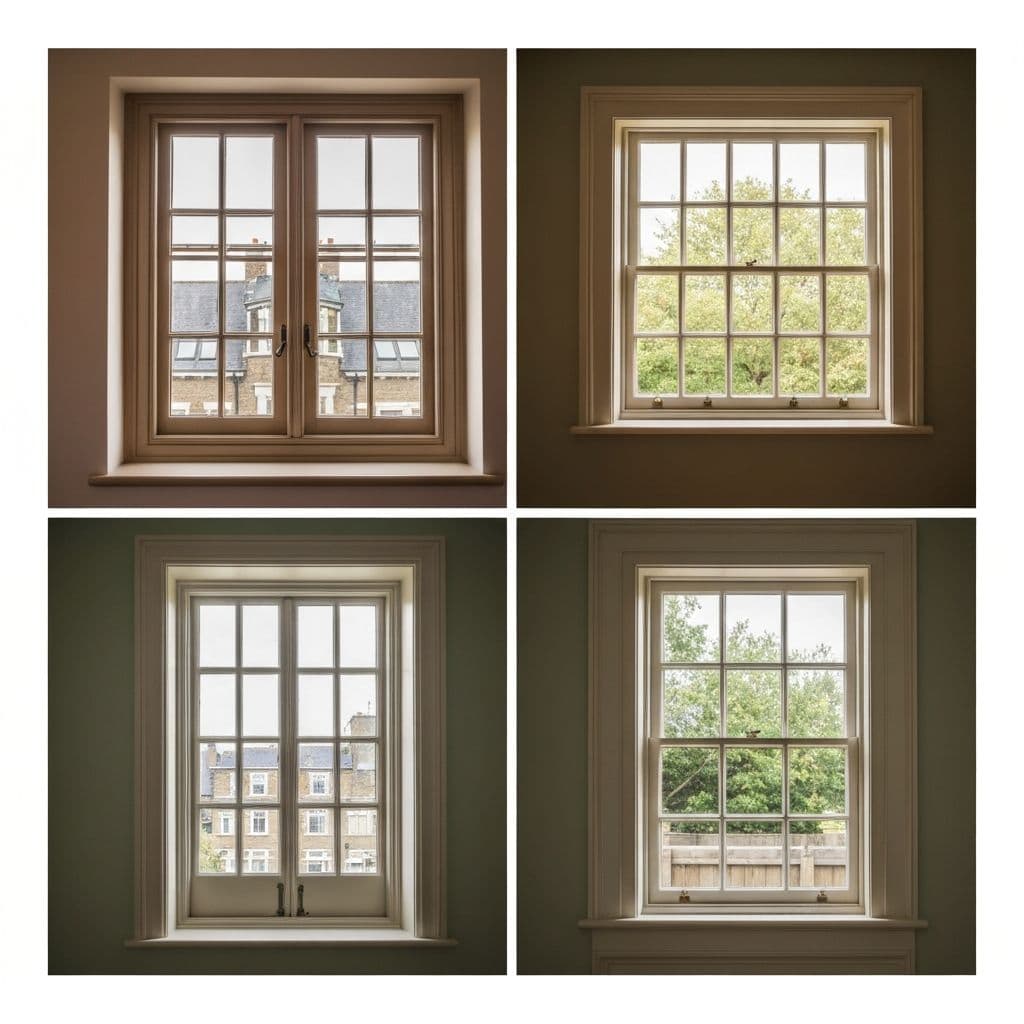
One of the first questions people ask once they have decided on secondary glazing is how long installation takes, and how much disruption it will cause. The good news is that fitting is quick and clean compared with replacing windows. Nothing is removed from the outside of the building, there is no scaffolding in most cases, and each room is usually usable again within a couple of hours.
The Short Answer
- Survey to fitting: typically 3 to 6 weeks, because each unit is made to measure.
- Per window: roughly 1 to 2 hours for a standard sash or casement opening, longer for large bays or heritage grid-matched units.
- A typical flat: usually one day.
- A period townhouse: usually two to four days, depending on the number of windows.
Step 1: The Survey
A surveyor visits to measure every opening, check the condition of the reveals and sills, and talk through how you use each window. This is when decisions are made about the opening style (sliding, hinged or lift-out), the glass (standard, acoustic laminate or obscure), frame colour, and any windows that must remain usable as fire escapes. A survey normally takes 30 to 60 minutes for a flat. You can book a free survey here.
Step 2: Quote and Manufacture
You receive a written, itemised quote. Once approved, each unit is manufactured to the surveyed sizes. Because period windows are rarely square, made-to-measure frames are what give secondary glazing its tight seal and neat finish. Manufacture is the longest part of the process. If your property is listed and consent is needed, allow extra time for that first; see do I need planning permission for secondary glazing?
Step 3: Installation Day
On the day, fitters typically work room by room:
- Dust sheets are laid and the window area is protected.
- Where needed, a slim timber sub-frame is fitted inside the reveal to give a true, square fixing surface.
- The secondary frame is fixed into the reveal with a small number of discreet fixings.
- Sashes or panes are fitted, seals are adjusted, and every opening unit is tested.
- Joints are finished, the area is cleaned, and you are shown how to open, lock and clean each unit.
Noise and dust are minimal: there is some drilling, but no removal of old frames and no making good to external brickwork.
How to Prepare
- Clear about a metre of floor space in front of each window.
- Take down curtains, blinds and anything on the window sill.
- Move fragile items and furniture away from the window area.
- Make sure there is somewhere for the fitters to park or unload, which matters in central London. Let your building manager know if you live in a block of flats; see secondary glazing for flats.
What Affects How Long It Takes
- Number and size of windows: large bays and tall sashes take longer. See our bay window options.
- Condition of the reveals: uneven or damaged plaster may need a sub-frame.
- Specification: heavy 10.8mm acoustic laminate units and grid-matched heritage units take more care to handle and align.
- Access: upper floors without a lift, or narrow staircases, add time.
After Installation
Secondary glazing needs very little maintenance: wipe the frames, clean the glass, and occasionally clean the tracks on sliding units. Most systems last for decades. See how long secondary glazing lasts.
Frequently Asked Questions
Do I need to be home during installation?
Someone needs to let the fitters in and be available at the end for the handover, so you know how each unit works.
Is secondary glazing installation messy?
Much less than window replacement. There is some drilling dust, which fitters contain with dust sheets and clean up before leaving.
Can I stay in the property while it is fitted?
Yes. Work moves room by room, and the original windows stay in place throughout, so the home stays secure and weathertight.
How much does secondary glazing cost to install?
Installation is normally included in the per-window price. See our secondary glazing cost guide.