Obscure Glass Secondary Glazing for Bathrooms: Privacy Without Losing Your Original Windows
Dr Sarah Chen
Building Physics Consultant

Bathroom windows have to do something no other window does: let light in while stopping people seeing in. In many London period homes, the original bathroom sash has clear glass, and the usual fixes are frosted film, net curtains or blinds that never quite stay shut.
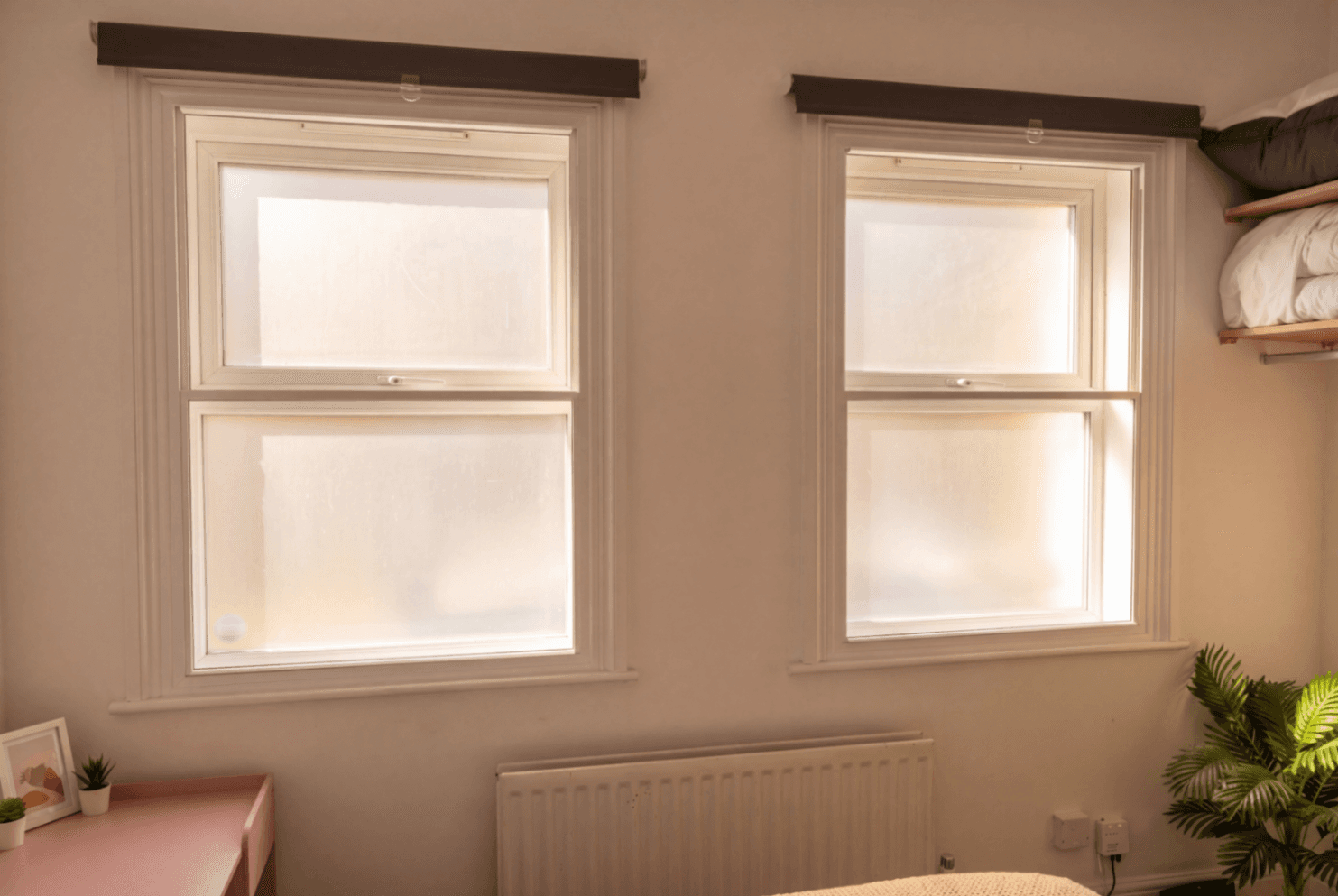
Obscure glass secondary glazing solves this neatly. The privacy comes from the inner pane, so the original window can keep its clear historic glass, and you get the warmth and noise benefits of secondary glazing at the same time.
Why Put the Obscure Glass on the Inside?
- Keep the original glass: On listed buildings and in conservation areas, replacing original clear glass with frosted glass may not be allowed. An internal obscure pane leaves the outside unchanged.
- Privacy and warmth together: One installation gives privacy, cuts draughts and reduces heat loss.
- Reversible: If you move the bathroom later, the secondary pane can be removed or re-glazed with clear glass.
Types of Obscure Glass
Satin or acid-etched glass
A smooth, even frosted finish. It looks clean and modern, is easy to wipe, and gives high privacy. It suits most bathrooms.
Patterned glass
Textured glass with a pattern pressed into the surface. Patterns range from subtle to heavily textured, and many have a traditional look that suits period homes. Each pattern has a privacy rating; higher ratings hide more.
Obscure laminated glass
Laminated glass with a translucent interlayer. It gives privacy, counts as safety glass, and reduces noise. This is often the best choice for ground-floor bathrooms and windows near a bath or shower.
Safety Glass Near Baths and Low Sills
If any part of the glass is within 800mm of the floor, it should be safety glass. Bathrooms often have low sills, and a slip near a bath is a real risk. We use toughened or laminated obscure glass wherever it is needed. See our guide to secondary glazing and building regulations.
Condensation and Ventilation
Bathrooms are the most humid rooms in the house, so the design matters:
- Good inner seals stop warm, moist air getting into the cavity, where it would condense on the cold original pane.
- An opening unit, such as a hinged or vertical sliding panel, lets you air the room after a shower.
- An extractor fan is still important. Secondary glazing reduces draughts, so moisture has to be removed some other way.
Read more in our condensation guide and can you open windows with secondary glazing?
Which Opening Style for a Bathroom?
- Vertical slider: The natural match for a sash window. See our vertical slider guide.
- Hinged: Easy to open fully for ventilation and cleaning. See our hinged guide.
- Fixed: Only where the room has good mechanical ventilation and the window does not need opening.
Cost
Obscure glass usually adds only a modest amount to the price of a standard unit, and bathroom windows are often small. See our cost guide for current London prices, or book a free survey.
Frequently Asked Questions
Can you get frosted secondary glazing?
Yes. Satin-etched, patterned and obscure laminated glass can all be used in secondary glazing.
Will obscure secondary glazing cause condensation in a bathroom?
Not if it is well sealed on the room side and the bathroom is properly ventilated. In most cases it reduces condensation on the inner surface because the inner pane is warmer.
Can I use obscure secondary glazing in a listed building?
Usually yes. Because the obscure pane is internal and reversible, the original clear glass is untouched.