Secondary Glazing for Conservatories: Can It Fix a Too Hot, Too Cold Room?
Dr Sarah Chen
Building Physics Consultant
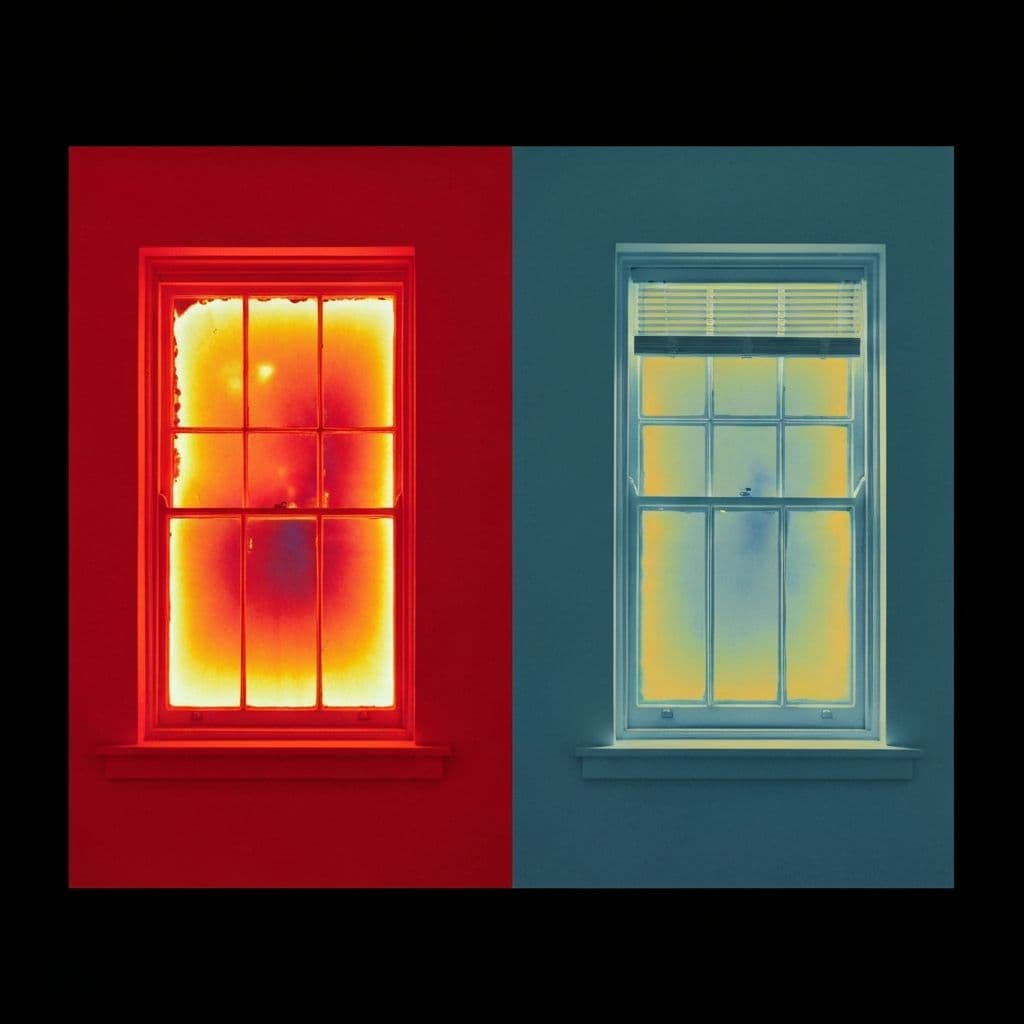
Many conservatories share the same problem: too hot to sit in on a summer afternoon, and too cold to use for much of the winter. If the side windows are old single glazing or tired early double glazing, secondary glazing for conservatories can be a cost-effective way to make the room more usable. It is not the right fix for every conservatory, though, so here is how to tell.
The Short Answer
- Secondary glazing helps when heat loss, draughts or noise come mainly through the vertical side windows, especially if they are single glazed, in an older timber or period conservatory, or in a listed building or conservation area.
- It helps less when the main problem is the roof. In many conservatories, most summer heat gain and much winter heat loss happen through a polycarbonate or glass roof.
Where Conservatories Lose and Gain Heat
A conservatory is mostly glass, so it reacts quickly to the weather. In winter, heat escapes through the glazing and through gaps in older frames. In summer, sunlight pours through the roof and walls and the room overheats. Fitting secondary glazing to the side windows reduces heat loss and draughts through those walls, but it does little about a roof that bakes in the sun.
Before choosing, stand in the room on a cold day and on a sunny day. If the cold comes from the walls and you can feel draughts around the frames, secondary glazing is a strong option. If the heat pours down from above, look at the roof first.
When Secondary Glazing Makes Sense
- Period and Victorian conservatories and orangeries with original single-glazed timber windows you want to keep.
- Listed buildings and conservation areas, where replacing the glazing may need consent but an internal secondary unit usually does not. See secondary glazing for listed buildings.
- Garden rooms on noisy roads, where a wide air gap and acoustic glass give far better noise reduction than a sealed unit. See soundproofing windows.
- Conservatories used as home offices, where cutting draughts and noise matters all year round.
Practical Considerations
- Reveal depth: many conservatories have slim frames with little inside depth. Units may need to be face-fixed to the frame rather than set into a reveal.
- Opening windows: conservatories need ventilation in summer. Choose sliding or hinged units over the windows you open. See can you open windows with secondary glazing?
- Doors: French or patio doors into the garden need a different approach. See secondary glazing for patio and French doors.
- Roof glazing: secondary glazing is designed for vertical windows. For roof lights in the main house, see secondary glazing for skylights and roof lights.
- Condensation: conservatories can be humid. Well-sealed inner units help keep warm, moist air off the cold outer pane. See condensation in period windows.
Secondary Glazing vs Other Conservatory Fixes
| Option | Best for | Limitations |
|---|---|---|
| Secondary glazing on side windows | Winter heat loss, draughts and noise through the walls | Does not address roof heat gain |
| Roof replacement or insulated roof | Summer overheating and roof heat loss | Larger project, may need building control |
| Blinds and solar film | Glare and summer heat | Little effect on winter heat loss or noise |
| Replacement double glazing | Modern conservatories with failed units | Not suitable for listed or original period frames |
For a closer look at cheaper fixes, see secondary glazing vs window film, curtains and shutters.
Frequently Asked Questions
Can you put secondary glazing in a conservatory?
Yes, on the vertical side windows. It works best on single-glazed or older timber conservatories with enough frame depth to fix to.
Will secondary glazing stop my conservatory overheating?
Only partly. Most summer heat usually comes through the roof, so blinds, solar control or a roof upgrade are more effective for overheating.
Do I need planning permission for conservatory secondary glazing?
Usually not, because it is fitted internally. Listed buildings may need consent. See our planning guide.