Secondary Glazing for Skylights and Roof Lights: Stopping Heat Loss, Rain Noise and Condensation
Dr Sarah Chen
Building Physics Consultant
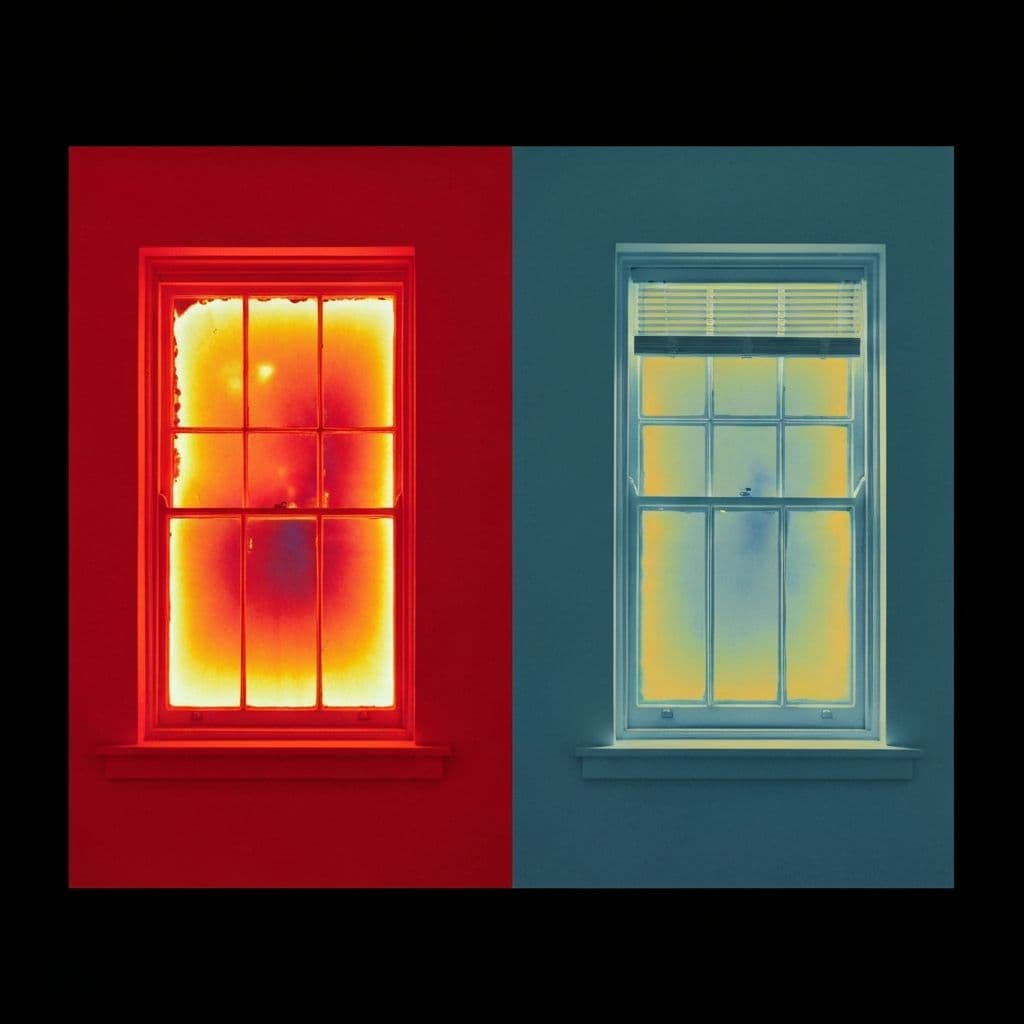
Skylights and roof lights bring wonderful light into London homes, especially in loft conversions, mansard rooms and rear extensions. They also lose a lot of heat. Warm air rises, so a roof light sits exactly where the warmest air collects. Older single-glazed roof lights are often cold, drip with condensation, and turn every rain shower into a drum roll.
Secondary glazing for skylights and roof lights tackles all three problems without replacing the roof light or disturbing the roof covering.
Which Roof Lights Can Be Secondary Glazed?
- Traditional cast-iron conservation roof lights in Victorian and Georgian roofs.
- Older single-glazed skylights over stairwells and landings.
- Roof lanterns on flat-roof extensions, where a flat internal panel can be fitted at ceiling level.
- Loft roof windows, including older pivot windows, where there is a deep enough lining.
How It Is Fitted
Most roof lights sit at the top of a light well, a short lined shaft through the ceiling. The secondary pane is fitted inside that light well, usually at ceiling level, creating a sealed air gap between the roof light and the room.
- Fixed panels are the simplest and slimmest choice where the roof light never needs opening or cleaning from inside.
- Hinged or drop-down panels allow access to open the roof light for ventilation or to clean the inner face.
- Lift-out panels can be removed for summer when ventilation matters more than insulation.
See our guide to fixed secondary glazing for more on fixed panels.
Safety Glass Overhead
Glass above your head must not fall out in large dangerous pieces if it breaks. For overhead secondary glazing we use laminated glass, which stays held together by its interlayer even when cracked. Acoustic laminate has the bonus of reducing rain noise.
Rain Noise
Rain hitting a roof light is a direct impact on the glass, and a thin single pane passes that sound straight into the room. A laminated secondary pane with a good air gap absorbs much of it. It will not remove the sound of a downpour completely, but it turns a sharp drumming into a far softer background sound. Our acoustic glass guide explains why laminate damps impact noise so well.
Condensation
Roof lights are often the coldest surface in a room, so warm, moist air condenses on them first and drips down. A well-sealed secondary pane keeps the inner surface much warmer, which reduces condensation. The key is a good seal on the room side so moist air does not get into the cavity. A small amount of ventilation to the outside of the cavity can also help. Read more in our condensation guide.
Summer Overheating
South-facing roof lights can make loft rooms hot in summer. Secondary glazing with solar control or low-emissivity glass can reduce some of that heat gain, and a hinged or lift-out panel lets you open the roof light for cross-ventilation on hot days.
Listed Buildings
Original cast-iron roof lights on listed buildings are often protected. Fitting a reversible secondary pane inside the light well keeps the original intact and is generally viewed far more favourably than replacement. See our listed building secondary glazing page.
Cost
As a guide, secondary glazing for a single roof light usually costs around £600–£2,000 depending on size, access, glass and whether the panel opens. Difficult access, such as a skylight high above a stairwell, can add to the cost because scaffolding or a tower may be needed. For standard window prices see our cost guide.
To find out whether your roof lights are suitable, book a free survey or call 020 7060 1572.
Frequently Asked Questions
Can you put secondary glazing on a skylight?
Yes. A secondary pane is usually fitted inside the light well at ceiling level, creating an insulating air gap below the skylight.
Does secondary glazing reduce rain noise on a roof light?
Yes. Laminated secondary glass with an air gap significantly softens the sound of rain hitting the roof light.
What glass is used for overhead secondary glazing?
Laminated glass, so the pane stays in place if it breaks.